

Klinton Smith via Flickr
by Vincent R. Pozon
I was eight years old, perched—or rather playing—on the brown, varnished desk-cum-bookshelf crafted by my father. The radio sat atop it, and McLuhan’s hot medium interrupted the lazy Saturday music with last night's breaking news. I remember it shook me. Filipinos were born American then; we thought, wore, sang, spoke American. "Little brown brothers," meant to be endearing by the supposedly magnanimous white man across the ocean, had yet to rankle the yet-to-be-developed activist heart.
And so this 8-year-old, bred to speak English and think American, taught to read by following the white, middle-class adventures of Dick and Jane, was stunned by the news of the day and has, since then, devoured everything written on what happened in Dallas.
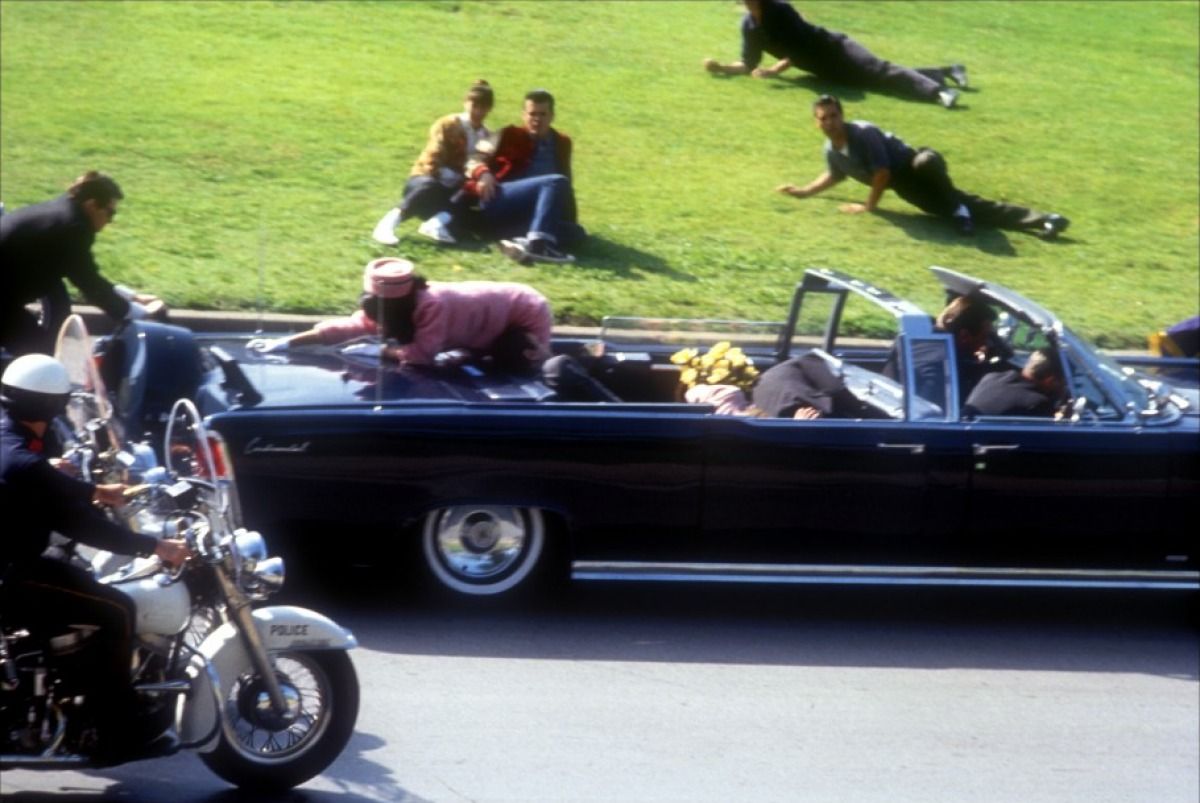
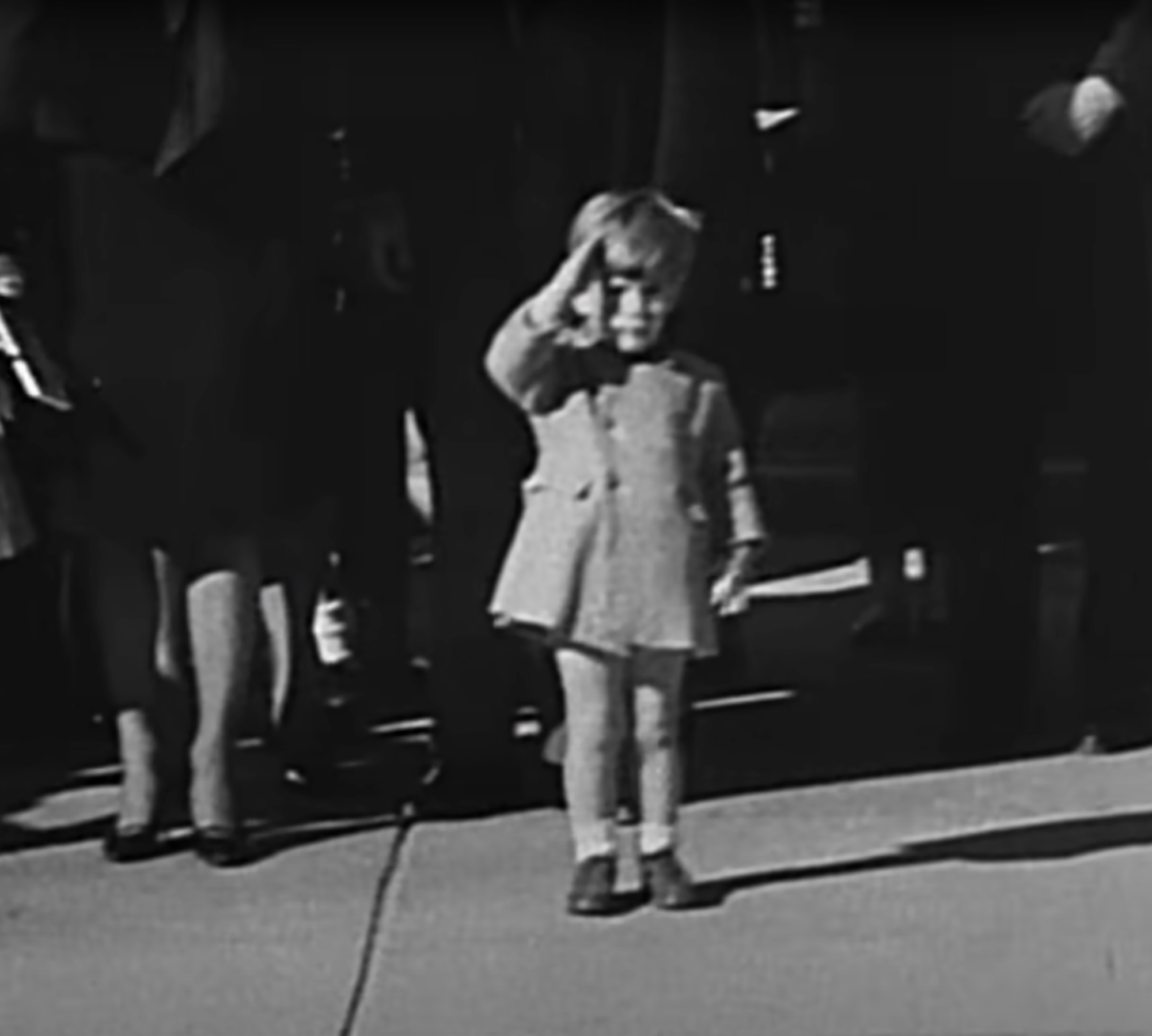
Burned into his memory was Jacqueline Kennedy insisting on wearing her dress still carrying remnants of JFK's blood and brains as she stood beside Vice President Lyndon Johnson during his swearing-in. Also, John Jr., on exactly his third birthday, saluting his father's flag-draped casket as it was being carried out of St. Matthew's Cathedral.
This was Camelot after all. Royalty.
JFK was the man of PT boat 109 renown, the president who landed us on the moon, who fought for civil rights; who stood at the Berlin Wall swearing solidarity with the German people with “Ich bin ein Berliner." Who created the Peace Corps.
And he was president for only two years and ten months.
The wisdom of years allows a more nuanced perspective of the man
In those same two years and ten months, Kennedy increased US involvement in the disastrous Vietnam War, causing the deaths of up to 3.5 million Vietnamese and 58,220 US servicemen.
This, too, was the man who sought to unseat Fidel Castro, authorizing a CIA-led and funded invasion of Cuba in an attempt to overthrow the government; the man who said yes to the use of covert operations to undermine other countries and install US-friendly leaders. The US government helped facilitate the capture and assassination of Patrice Lumumba, prime minister of Congo, and supported his successor, the dictator, Mobutu Sese Seko.
OLIVER STONE produced 'JFK', an award-winning film detailing the many inconsistencies of the Warren Report and the probable involvement of the CIA.
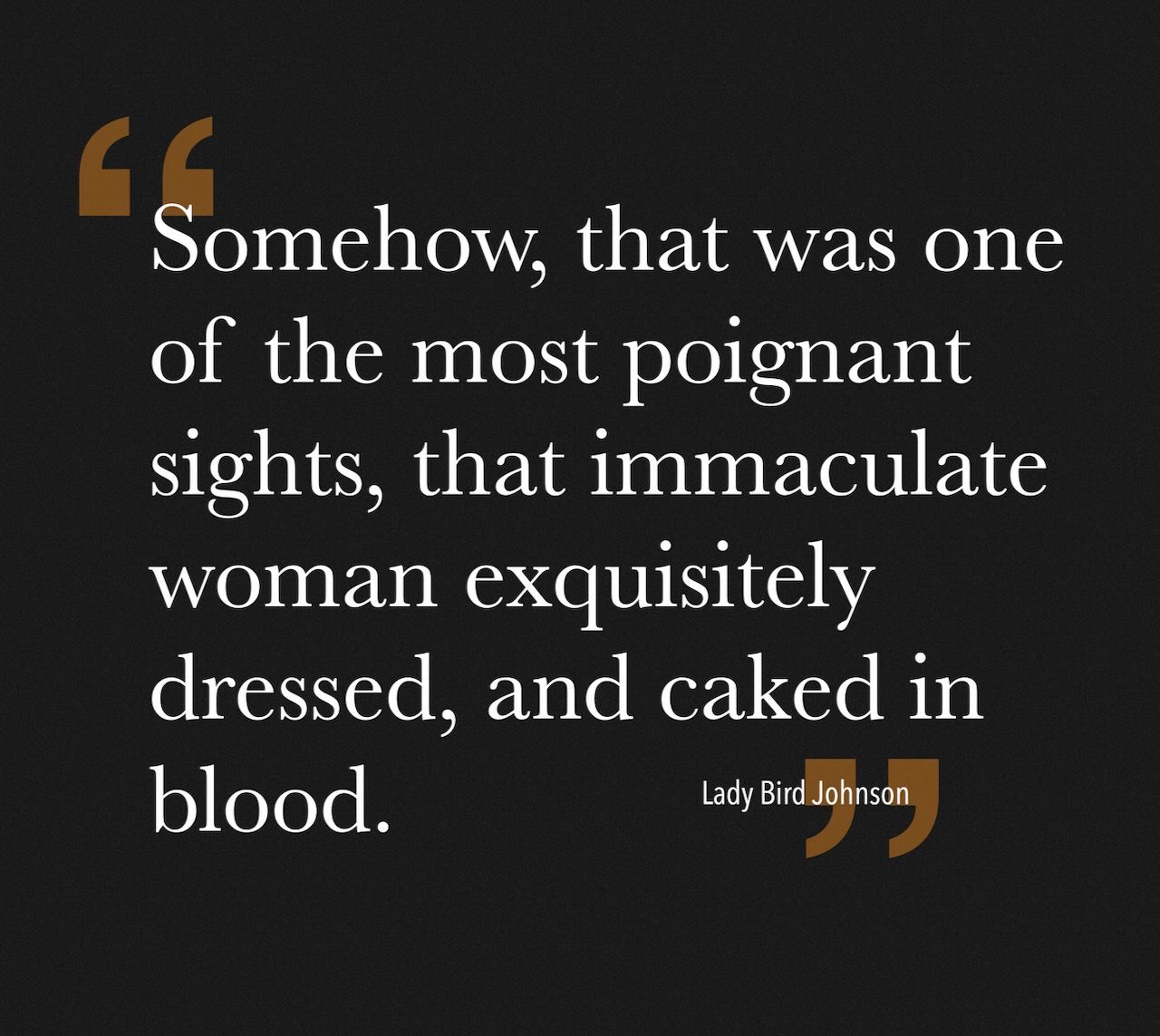
JFK was buried three days after his death, and Americans were dismayed and angry —for the loss and the deep embarrassment that such a significant crime could happen in their country (the headline of this article is a quote from a lady on the ground in Dallas), and, despite the resources of the US government, remain unsettled, lacking a definitive resolution acceptable.
The Conspiracy theories
There are four theories surrounding JFK's assassination that still throbs today.
The first suggests that the Mafia acted due to Kennedy's crackdown on organized crime. The second theory posits that the Cuban government retaliated for the Bay of Pigs invasion. The military-industrial complex theory, the third, claims powerful contractors targeted JFK for planning defense spending reduction. The fourth theory proposes that the agency took action as JFK planned to withdraw from Vietnam and disband the intelligence agency "into a thousand pieces".
Filipinos will recall Col. Edward Lansdale, the CIA operative who catapulted Magsaysay into the presidency and employed brutal methods in combating the Huks. Kennedy appointed the counterinsurgency specialist as Chief of Operations of 'Operation Mongoose,' the covert initiative aimed at overthrowing Castro through assassination or other means. This theory suggests that Lansdale advocated for a more aggressive effort and was displeased by Kennedy's disapproval. A photograph places him at Dealey Plaza, the site of the assassination, on the day itself.
Lyndon B. Johnson, on his deathbed, confessed to his biographer that he "always knew that there was a conspiracy" behind Kennedy's death.
'Don't Let It Be Forgot'
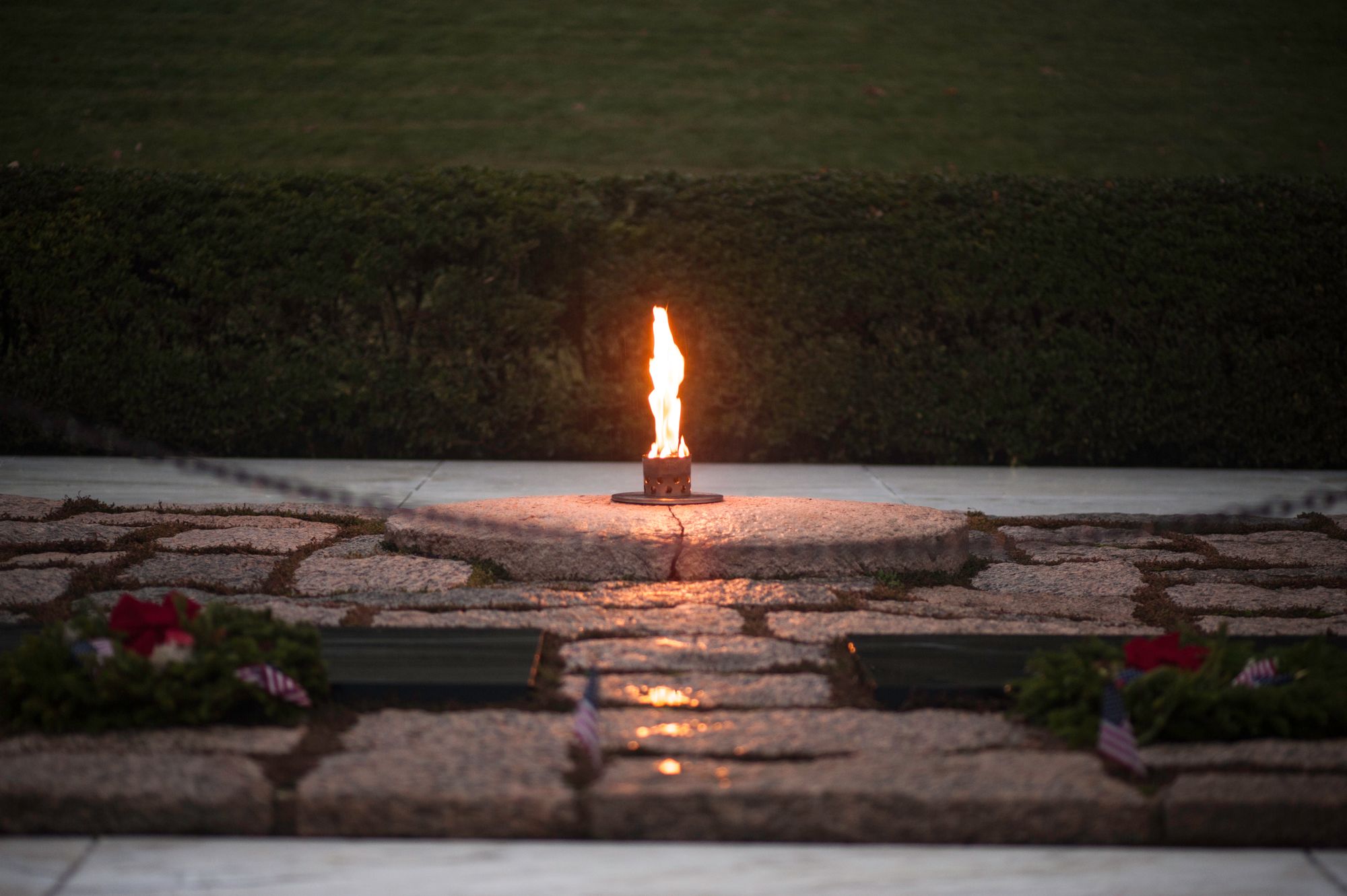
Imagine the profound impression of an eternal flame on the mind of an 8-year-old. Here is a flame, impervious to the weather, an enduring tribute in a world where reputations are often fleeting, and statues succumb to the decisions of succeeding governments. Camelot is tarnished and corroded, but Kennedy's strides in civil rights remain a powerful testament. They remind us that even within an imperfect historical phase, transformative moments can emerge in less than three years.
I later discovered that the connection between Kennedy and Camelot was established post-assassination, a conscious move by Jacqueline Kennedy, known for astuteness in the realm of public perception.
People magazine wrote: "On Nov. 29, 1963, four days after her husband’s burial, the widowed mother of two invited Life magazine journalist Theodore H. White to the Kennedy family compound in Hyannis Port, Massachusetts. There, Jackie, then just 34, crafted a glittering fairytale about JFK’s 1,000 days in the White House that continues to captivate the nation. The inspiration? JFK’s favorite Broadway musical, Camelot — the story of mythical world, ruled by King Arthur, where goodness reigned supreme.
JFK'S FAVORITE BROADWAY MUSICAL.
“'Don’t let it be forgot, that for one brief, shining moment there was Camelot,' Jackie told White, quoting from the musical."
On the anniversary of the assassination, Americans, as well as Filipinos old enough, will remember the flicker of Camelot. I pray their government remembers the grave sins of unrestraint and ethnocentricity and arrogance, and hopefully sees lessons, and gains the ability to respect the desires and preferences of other peoples.
If you liked what you just read and want more of Our Brew, subscribe to get notified. Just enter your email below.
Related Posts
Asymmetrical Warfare: Who’s Still Afraid of the Big, Bad Wolf?
Aug 10, 2026
Where’s the Story?
Aug 06, 2026
SONA 2026: No Political Capital, No Legacy?
Jul 29, 2026