
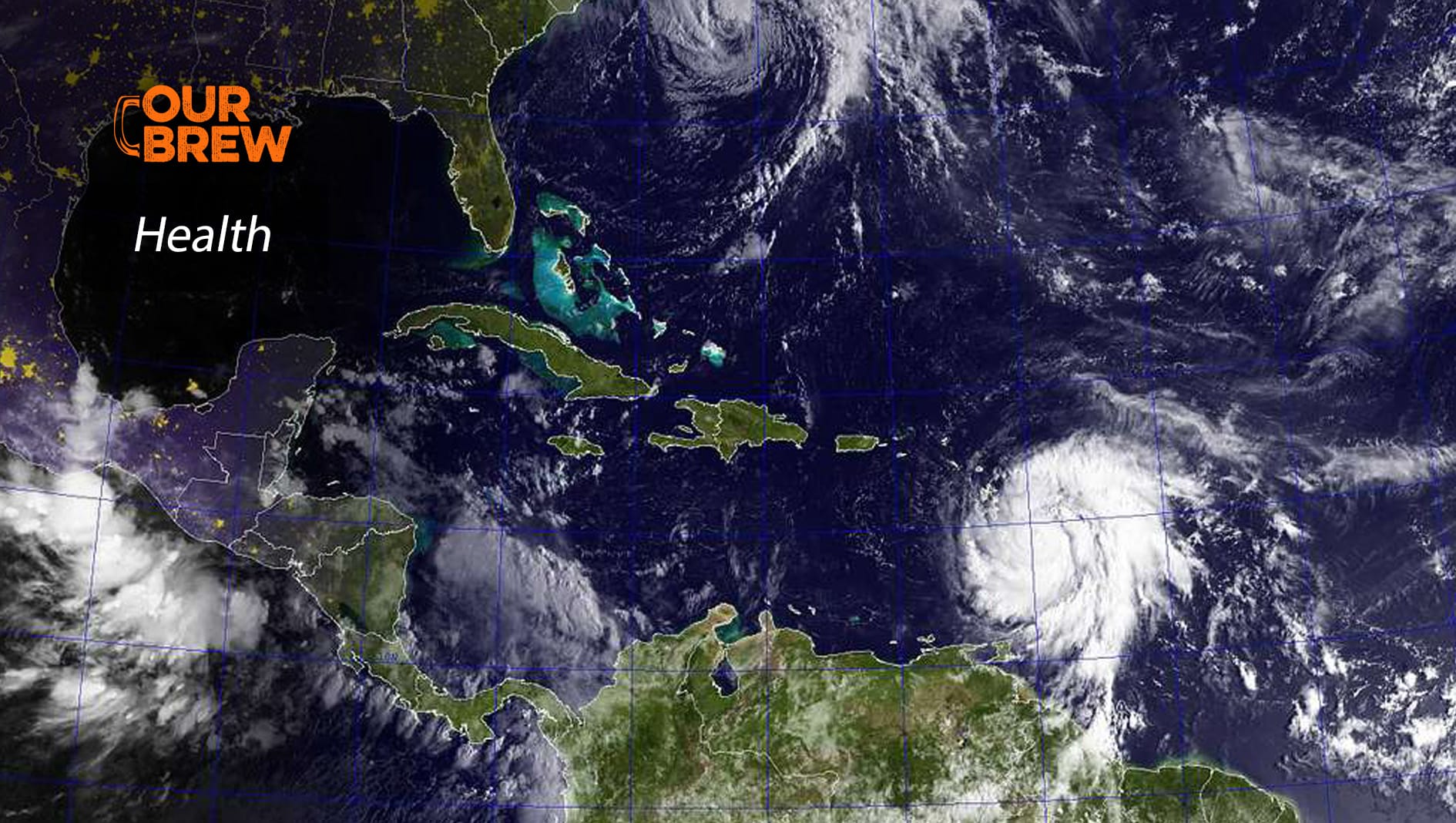

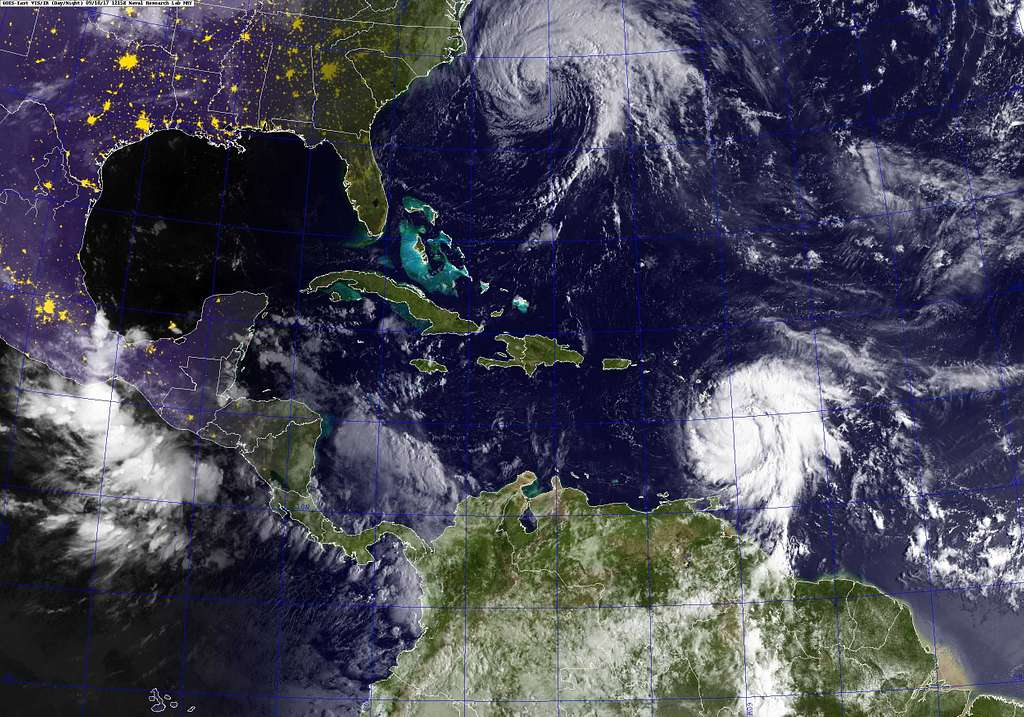
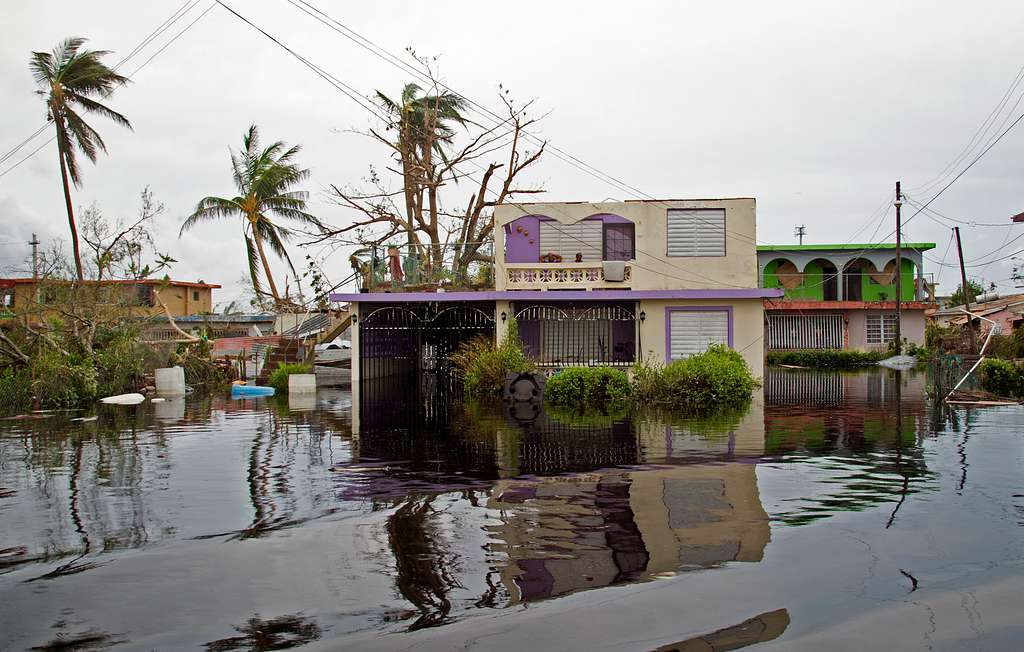
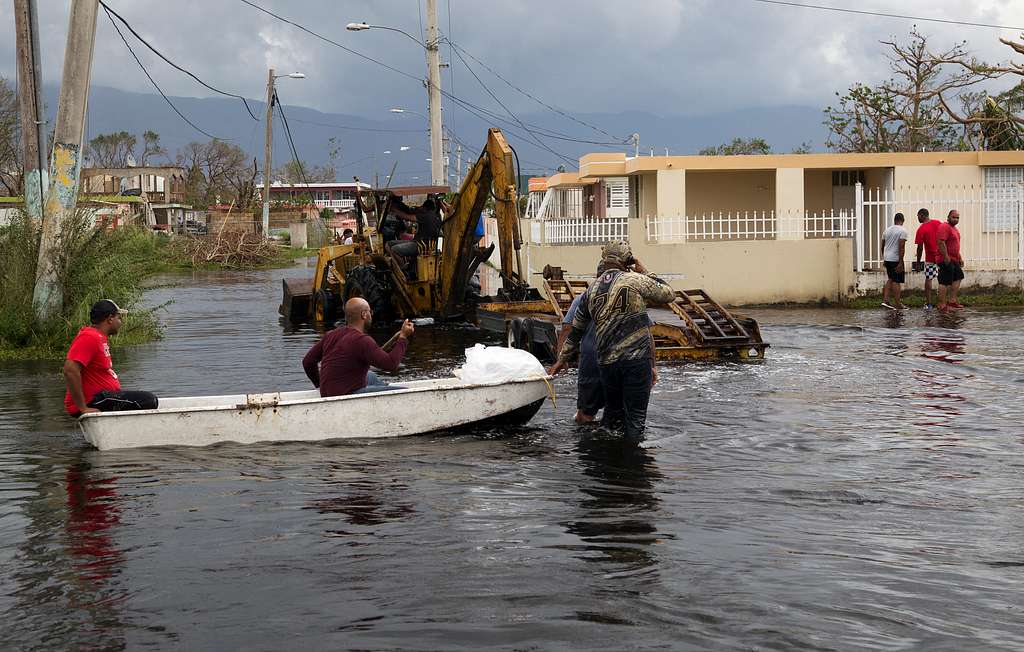
After the twin catastrophes of Hurricanes Irma and Maria, both of which slammed into Puerto Rico in 2017 and killed more than 4,000 people, three music therapists on the island set out on a journey to more than two dozen shelters for children in foster care centers. They carried instrument bags full of hand drums, keyboards, tubano drums, ukuleles, hand bells, and guitars, as well as smaller percussion instruments such as maracas, tambourines, sticks, cabassas – along with their experience using music for healing.
It was a challenging task: The small team worked with relief workers delivering food and water, traveling for more than 20 days to shelters scattered around the island. The hurricanes had caused 40,000 landslides, and the team sometimes had to climb over giant trees that had been blown down by the hurricane and blocked the roads. With no electricity, their GPS wasn’t working properly, and without phone access or even an internet signal it often took them hours to reach the addresses they were searching for.
Even after they reached their destinations, the exhausted music therapists – who worked with Fundación Música y País (Music and Country Foundation) – found children and teens in shelters who had been traumatized by the hurricane, fear and isolation. In some cases the smaller children were quiet, even apprehensive, peering at them from the dark rooms. But as the team unpacked their instruments and passed them around, the little ones became more animated and playful, the therapists recalled.
“The smaller children had fun playing along with the music and exploring the instruments, especially the drums, which offered them a safe opportunity to express and vent emotions,” said Dr. Marta Hernández Candelas, one of the three therapists. “I especially remember a group of boys that participated with great energy, transforming the session into a space of shared happiness and vitality.”
Natalia Rodríguez Santiago remembers her arrival at the shelters as “intense and very emotional since my fellow therapists were not just facilitators, but also survivors of the collective trauma that was Hurricane Maria.” Seeing the reality that the youth and children were facing, she said, she was able to push her own trauma aside.
“Our role was to bring support and relief in such a fragile moment, not just for them but also for their caretakers,” Rodríguez Santiago said. “The music worked as an agent of support, a way to liberate emotions, to process lived experience during the hurricane, to sustain, to relieve, to connect between walls and strengthen bonds among peers, and to transform a traumatic experience into hope.”
She and the others were aware that such connection takes time. The teenagers in shelters, for example, were stand-offish at first, appearing apathetic and reticent, Hernández Candelas observed. However, as the sessions progressed, she said, many started to smile, applaud, sing or play instruments with enthusiasm.
The children and teens enjoyed music improvisation and composing live music and original songs,or playing pop songs like “Peace at the Storm” or plena songs like “The Storm Is Over.” Plena music is a traditional Puerto Rican music form that combines African, Spanish and indigenous Taino influence – not only its lively rhythms using percussion instruments, but lyrics that tell stories and serve as a form of cultural expression and identity.
“Although they didn’t all react the same way, it was evident the music provided an environment of openness, trust and emotional relief,” she noted. Hernández Candelas remembers in particular one teen who expressed her gratitude for the visit, mentioning that playing music in the sessions helped distract her from her worries and anxiety about her birth family, from whom she was separated.
She also noticed a transformation in the personnel and caregivers, who looked overwhelmed at the beginning of the sessions, “but bit by bit they would relax, smile and participate.” Some expressed their gratitude, saying that the music had brought “moments of happiness, distraction and wellness” in the sea of stress and boredom in which the children were floating.
In addition, in some shelters, the team helped children create musical instruments using materials recovered from the hurricane debris. “This experience was especially meaningful,” Hernández Candelas said, “given that the children were able to transform objects that represented loss into tools to make music.”
Her colleague Natalie Rodríguez Santiago agrees. “The children recreated the sounds of the wind, the water and we would play drums, creating a harmony with their environment and making amends with an experience that in effect was so difficult for everyone."
“Despite the adversities, the experience was profoundly fruitful," Hernández Candelas said. "We were able to observe significant changes in the children and the shelter staff, who began to integrate music as a means of emotional support and expression.”
Music therapy and mental health

Over the last decade, hurricanes, earthquakes and the COVID-19 pandemic have changed life in Puerto Rico. These events – as well as youth violence and school bullying – have had a ripple effect on the mental health of people living in the Caribbean archipelago.
In 2021, El Nuevo Dia reported that 18.7% of Puerto Ricans between the ages of 18 and 64 live with a mental health condition. Among the most common are depression, social phobia and generalized anxiety. This is complicated by the shortage of mental health professionals in Puerto Rico, and the ones working report they are overwhelmed.
“Problems like this don’t have just one cause,” Dr. Patricia Landers, past president of the Psychology Association of Puerto Rico, told reporters. “So the solution can’t just be one (solution).”
Amid this complicated backdrop, music therapy is gaining ground here as an approach to improve mental health. In music therapy, a mental health professional uses evidence-based therapy to help clients manage stress, express their emotions and get to the heart of what is troubling them.
“We’re in the process of educating (people) about what music therapy is,” said Natalia Rodríguez Santiago, a music therapist who works with the foundation. Founded by María del Carmen Gil, the foundation has three programs dedicated to music education. The fourth, Música Para Sanar, focuses on providing music therapy to different groups in health care, including autistic children and renal patients.
For more than a decade, Gil has pushed to expand music therapy services in Puerto Rico, including the 2017 trip to children’s shelters after Hurricanes Irma and Maria swept over the country. “We thought about…how (the children and staff) must have been feeling emotionally and what mechanisms they had to be able to vent, externalize and work with that trauma, because all of Puerto Rico suffered trauma. Imagine those that were most vulnerable.”
The music therapists initiated a second phase of the initiative during the COVID-19 pandemic.
When asked in a survey from the music therapists what they had learned about themselves through music therapy, one patient wrote "incredible things” while noting that music “was helping them to relax.” Another survey participant wrote that they “had learned to improve their shyness.” And a third patient commented that they had learned to play piano and “felt happy when they expressed themselves.”
The future of music therapy in Puerto Rico
Music therapy isn’t new in Puerto Rico, an island with a deep musical tradition and a rich history of producing international stars from Tito Puente and José Feliciano to Luis Fonsi, Daddy Yankee and Bad Bunny, who in 2025, was once again the most widely streamed musical artist in the world. However, music therapy services are still limited in the country, despite its proven mental health benefits.
Moving forward, Gil said she would love to see music therapy expanded, but there are massive challenges – especially with funding. According to Gil, it’s been a challenge to find steady funding for the foundation, coupled with the fact that medical insurance plans don’t usually cover music therapy in Puerto Rico. That means that people interested in music therapy have to pay for the services from their own pocket, which is not possible for everyone. It also makes it harder for music therapists already working in the archipelago to find work.
Both Gil and Rodríguez Santiago also cited a general lack of awareness and misconceptions about what music therapy is, and why it’s more than just someone playing an instrument. This is part of the reason why they are making efforts to help “professionalize” the job through the Music Therapy Association of Puerto Rico. The association has at least 30 members, according to Dr. Hernández Candelas.
Gil has long supported creating a degree in music therapy at the Puerto Rican Music Conservatory. Hernández Candelas agrees, noting that aspiring music therapists need to be good at writing, able to play different instruments, and have a healthy code of ethics. But most of all, she says, “they have to be people of service, not people who are egocentric…because in music therapy that’s a very important quality.” With her help, the first music therapy bachelor’s degree program in Puerto Rico will be opening at the Puerto Rican Music Conservatory this fall.
Hernández Candelas’ goals include a music therapy clinic at the Conservatory, having at least one music therapist available for schools per region, and a music therapist in every hospital in Puerto Rico. “Humanized medicine,” she said, “makes a difference in health and the recovery of the patient.”
This article first appeared on MindSite News and is republished here under a Creative Commons Attribution-NoDerivatives 4.0 International License.
If you liked what you just read and want more of Our Brew, subscribe to get notified. Just enter your email below.
Related Posts
6 Tips for Staying Safe in Extreme Heat if You’re a Runner, Cyclist or Anyone Else Active Outdoors
Jun 26, 2025
How Stress Shapes Cancer’s Course
Jun 02, 2025
Probiotics Slow Down Alzheimer’s Disease in Mice
Mar 02, 2025