



by Vincent R. Pozon
The Flag Is Not the Whole Country
When a Filipino athlete chooses to represent another country, we tend to speak of loss. We say we have lost Wesley So, Yuka Saso, Maxine Esteban, as though something that once belonged to us has been taken away.
There is another side to the story, and it belongs to the athlete.
Sport is a profession, although we tend to forget this when national pride enters the picture. It is a livelihood built on exceptional ability, years of preparation, immense personal sacrifice, and, in many sports, a remarkably short period in which to make it all worthwhile.
The productive life of an athlete can be painfully brief. Unlike a doctor or a lawyer, who may practice for decades, an athlete may have only a handful of years at the height of his abilities. An injury, advancing age, or simply the arrival of someone younger can bring the best years to an abrupt end.
And so the opportunities matter. The quality of training, the level of competition, the financial rewards, even the people who manage an athlete's career can determine whether extraordinary talent becomes extraordinary achievement.


We understand why our nurses, doctors, and other professionals seek better opportunities abroad. We may regret their leaving, but we generally accept that they have lives to build and families to provide for. Athletes deserve the same understanding.
I met Wesley So when he was among the gifted young people featured in our Promil advertising campaign, The Gifted Child. I have followed his career with particular interest since.
His decision to represent the United States was not simply a matter of exchanging one flag for another. There were opportunities for training, stronger competition, and professional development that he believed he could better pursue there.
I MET WESLEY SO when he was one of the talents for our Gifted Child advertising campaign for Promil.
Eugene Torre, Asia's first grandmaster, has suggested that So might never have reached his extraordinary heights had he not made the move. It is a consideration worth taking seriously. We might have kept Wesley So as a Philippine representative and, in doing so, limited what Wesley So could become.
The circumstances of other athletes are not necessarily the same.
Yuka Saso, born to a Filipino mother and Japanese father, faced a choice of citizenship under Japanese law. Her decision to represent Japan did not erase her Filipino upbringing or her pride in her dual heritage.
Maxine Esteban's move to Côte d'Ivoire followed a painful dispute with the Philippine fencing establishment. She found elsewhere the opportunity to continue pursuing her Olympic dream. When she qualified for Paris, she acknowledged both the country that welcomed her and the Philippines, where that dream began.
There are different stories behind these departures, and we should be careful not to reduce them all to questions of money or patriotism.
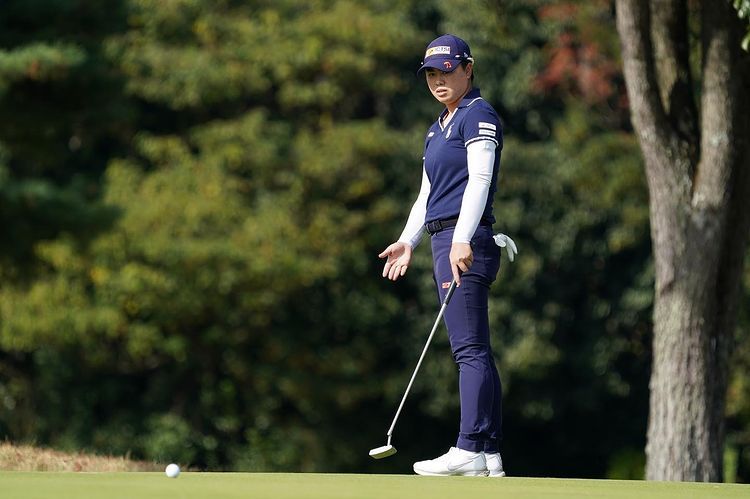
National pride is a wonderful thing. But there is something rather narrow about a pride that depends entirely on whose flag an athlete carries. Surely we can take pleasure in the achievements of someone whose beginnings we share, even when another country has provided the opportunities that brought those achievements to fruition.
We do not have to pretend that the Philippines has won when a Filipino-born athlete wins for another country. The victory properly belongs to the athlete and the nation represented. But neither must we pretend that the athlete's Filipino past has somehow ceased to exist.

Vincent R. Pozon
Koyang has been in the communications industry for more than half a century, in various agencies, multinational and local. He is known for aberrant strategic successes (e.g., Clusivol’s ‘Bawal Magkasakit’, Promil’s ‘The Gifted Child’, RiteMED’s ‘May RiteMED ba nito?', VP Binay's 'Ganito Kami sa Makati', JV Ejercito's 'The Good One', Akbayan's 'Pag Mahal Mo, Akbayan Mo')). He is chairman of Estima, an ad agency dedicated to helping local industrialists, causes and candidates.
If you liked what you just read and want more of Our Brew, subscribe to get notified. Just enter your email below.
Related Posts
Is Sara Saying Goodbye?
Nov 27, 2026
Making a Good Impression? ASEAN Leaders Won’t Vote in 2028
Nov 20, 2026
Heidi Mendoza and Our Hierarchy of Sins: Are Clean Hands Enough?
Nov 18, 2026