

By Vincent R. Pozon
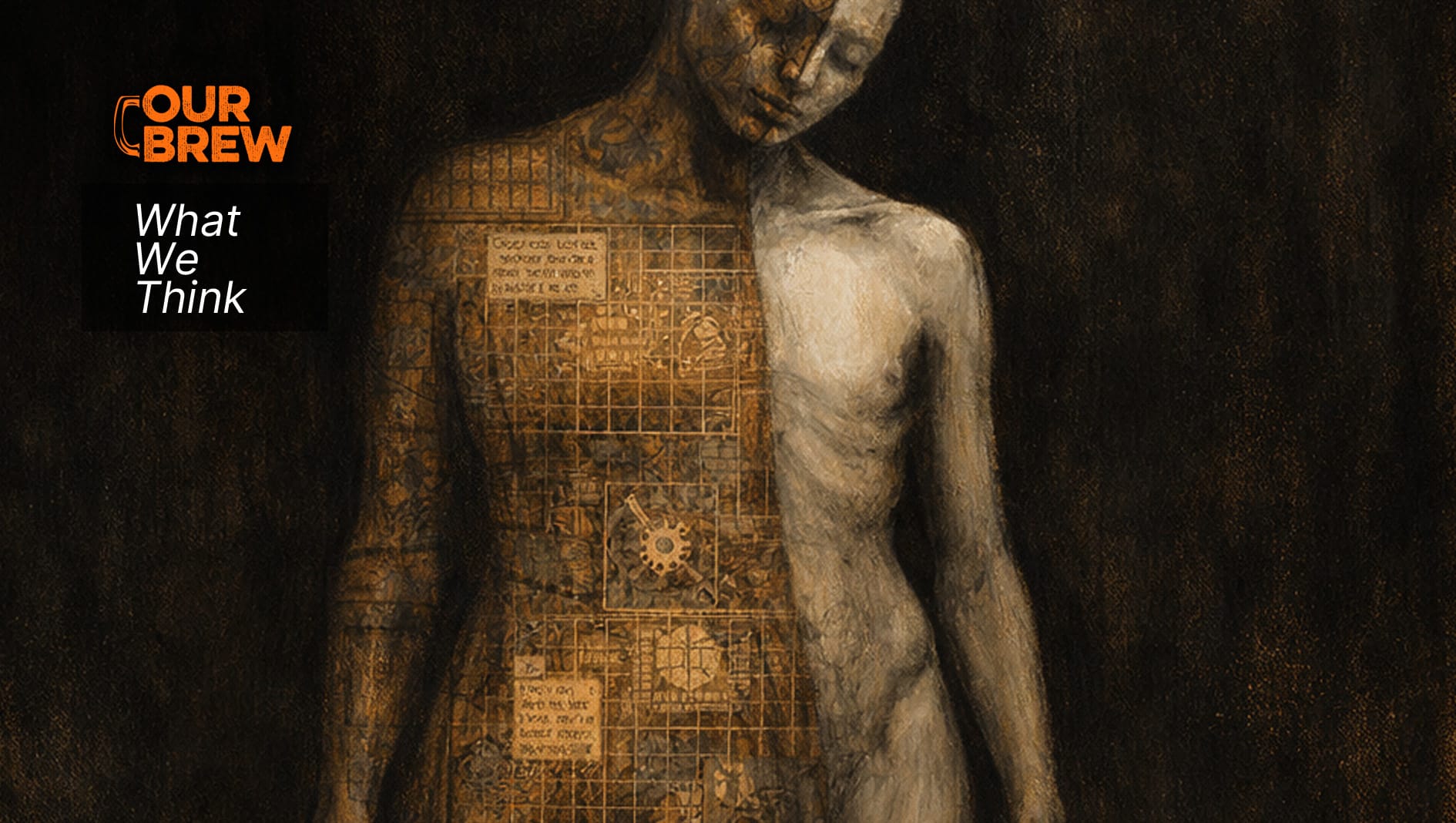
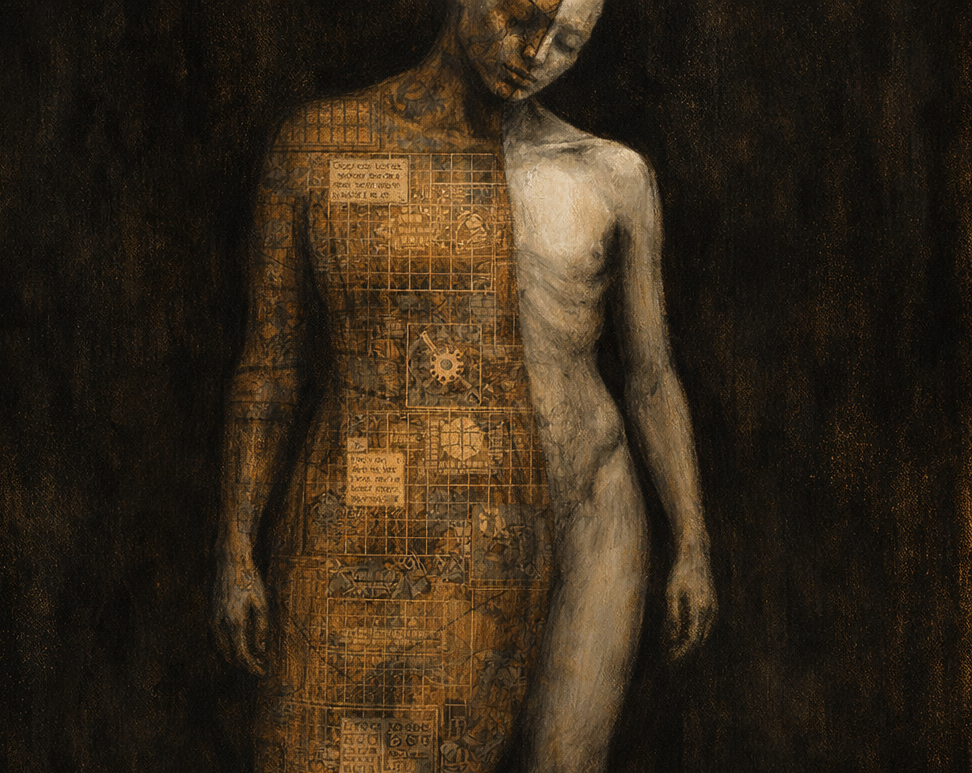
We can imagine marriage—especially when it is sufficiently long, say like mine, one of forty-seven years—as a single body with two legs: balanced, coordinated, mutually sustaining. It is a comforting metaphor of unity, of two people moving as one, sharing weight, purpose, and direction, deciding together, moving through life fluidly.
Reality is less symmetrical.
In our society—and I suspect in many others—marriage does not distribute its load evenly. The woman is more relied upon, tasked to do more. She becomes the memory bank, the archive, the infrastructure. She knows where things are, who must be spoken to, which obligations are pending, which documents matter, which keys unlock which doors—literal and otherwise. She tracks kinship, calendars, medications, finances, household rhythms. She holds the map.
The man, meanwhile, is permitted a narrower concentration: work, income, leisure, the visible levers of authority. He may be indispensable in theory, yet oddly replaceable in practice. Providing income is often mistaken for providing continuity. But when continuity collapses, income is irrelevant.
So the picture of this two-legged unit is, in truth, a lopsided organism: one side bearing more of the weight. When the woman disappears—through illness or death—the fiction collapses. What remains falters and falls. The man does not merely grieve; he malfunctions. The archives vanish. The daily mechanisms fail. If the woman was, as it often turns out, three-quarters of the unit, the chances of the remainder surviving intact are slim.
In a sense, I did not just lose a wife, a companion, a witness, a shared interior life, someone who knew the private jokes, the half-finished sentences, I lost my legs.

What follows is not simply adjustment but improvisation. Learning what to do is difficult; the hurdle is loneliness compounded by incompetence.
One could joke, darkly, that the woman should never go first. But jokes of this kind are merely truths wearing armor.
The lesson here is not sentimental. It is practical.
Men must do more—not occasionally, not performatively, but structurally. They must know the doctors, the debts, the histories. They must share the invisible load while it is still invisible, not discover it in crisis. It is active participation in the safety and stability of the unit.
Today, I find that I am proof of the inherent delicateness of the asymmetrical marriage. I am discovering, too late and too suddenly, that much of the life I inhabited was carried quietly by the person who is no longer beside me.
This is not a lesson offered from a distance. It is simply the place I now occupy.
If you liked what you just read and want more of Our Brew, subscribe to get notified. Just enter your email below.
Related Posts
The Stars Are Not Aligning
Mar 12, 2026
Thank you, Bong Suntay
Mar 09, 2026
Edsa, Ideally
Feb 26, 2026