

By Vincent R Pozon
A Lazy Diagnosis
The older generation has always had a way of diminishing the next—complaining about their music, their manners, their attention, their supposed lack of seriousness. But the refrain has hardened in our time into something cruder and more damaging: “You’re weak.” “You’re soft.” “You’re frail.”
The sentence survives because it is easy. It offers an all-purpose verdict without the burden of understanding. It flatters those who say it (watch Robin Padilla’s face as he delivers it), while it diminishes those who must live under its judgment. A complicated world is reduced to a simple insult, and the speaker feels wise for having made it through his own past.
From a figure long sold to the public as the “Bad Boy” of Philippine cinema, a man with two convictions on his record—reckless imprudence on the one hand, illegal possession of firearms on the other— sentenced to long years in prison but saved by pardons, the lecture on fragility becomes something else entirely: surviving a spotty past recast as virtue, and everyone else’s suffering dismissed as self-inflicted.
“You’re weak,” he says. In fact, I daresay the reverse might just be true.
The Young have a Harder Life.
Difficult to admit, friends my age and thereabouts, but we lived in a slower, less demanding world. There were fewer inputs competing for the same hour, fewer mechanisms designed to hijack attention, fewer crises. At the end of the day, there was an end to the day.
We contradict ourselves when we call the old days “simple.” Much of what we praise as resilience—ours—was simply because the world interrupted us less.
Danger Didn’t Disappear. It Moved.
When I hear people call the young soft, I hear a refusal to update one’s definition of hardship. We keep measuring courage by the dangers we used to recognize: the street, the fist, the fear of the icepick, the threat you could locate on a corner. But danger has migrated. It has become less visible, more scalable, and— because it is everpresent—more terrifying.
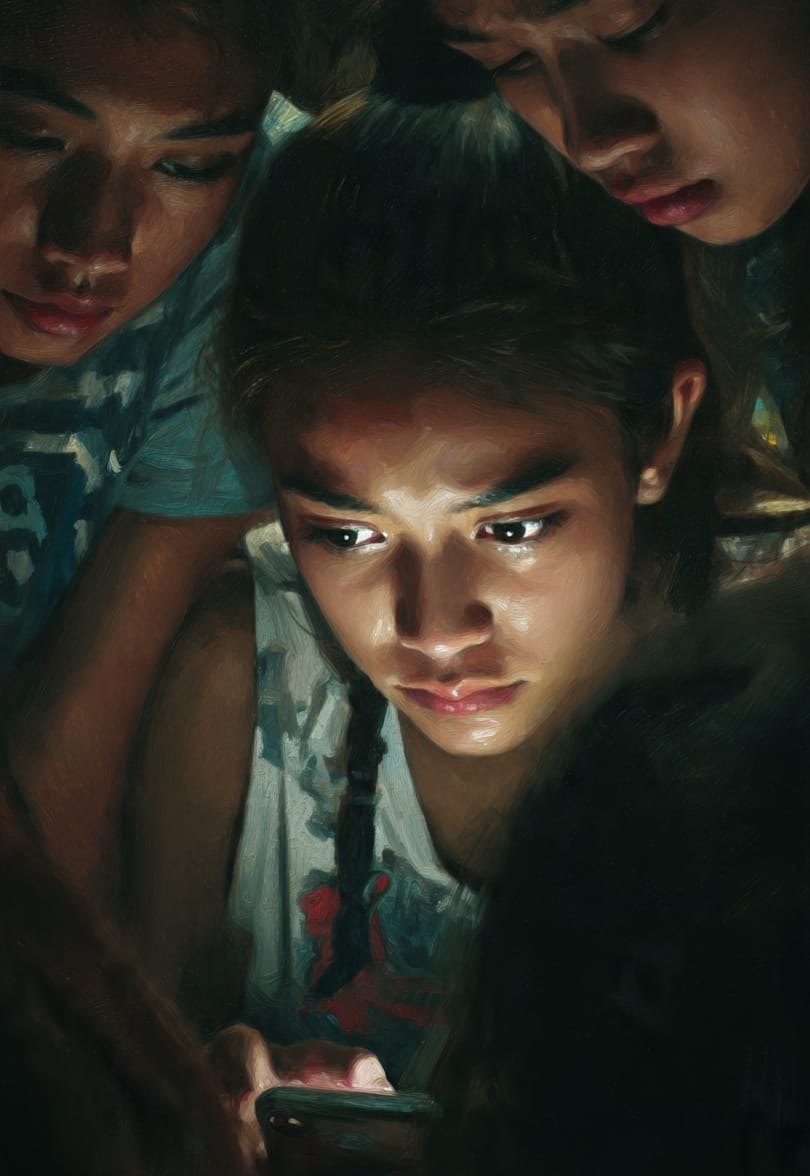
The senator implies the young are safer now because they are no longer on the streets. But danger did not disappear; it changed address.
What Follows Them Home
Exposure is the modern street. And the threat is not a fist. It is a screenshot.
A private message maliciously forwarded to a group chat; a harmless photo reframed as a scandal; a joke clipped out of context and made to look like cruelty. There is no “after school” when the audience is always awake somewhere, when ridicule can be replayed at will, when shame becomes searchable, when it resurfaces on anniversaries.
And the frightening part is how quickly it escalates. A minor mistake—say a misunderstanding, or even a fistfight—becomes a case overnight. A face becomes a meme. A name becomes a target. Even the boundary between online and offline has thinned: doxxing—having your address, school, phone number exposed—turns the online world back into the physical world. Threats stop feeling theoretical when a stranger can tell you what time you leave the gate.
We all make mistakes. But being exposed to the world—forever—is a special kind of fear. It is not merely the fear of being judged; it is the fear of being permanently reduced to your worst moment. In our youth, shame had a boundary: it lived in a neighborhood, a school, a small circle of witnesses. We could run home, to safety. Today shame can be unending—sometimes even after death.
When Intimacy Turns Into Leverage
Sometimes the danger begins inside a relationship. The videos might have been made with consent—tender, private, even trusting. Then the relationship sours, and what was intimate becomes a bargaining chip.
“If you leave, if you block me, I’ll share it.”
“Pay me or I’ll post this.”
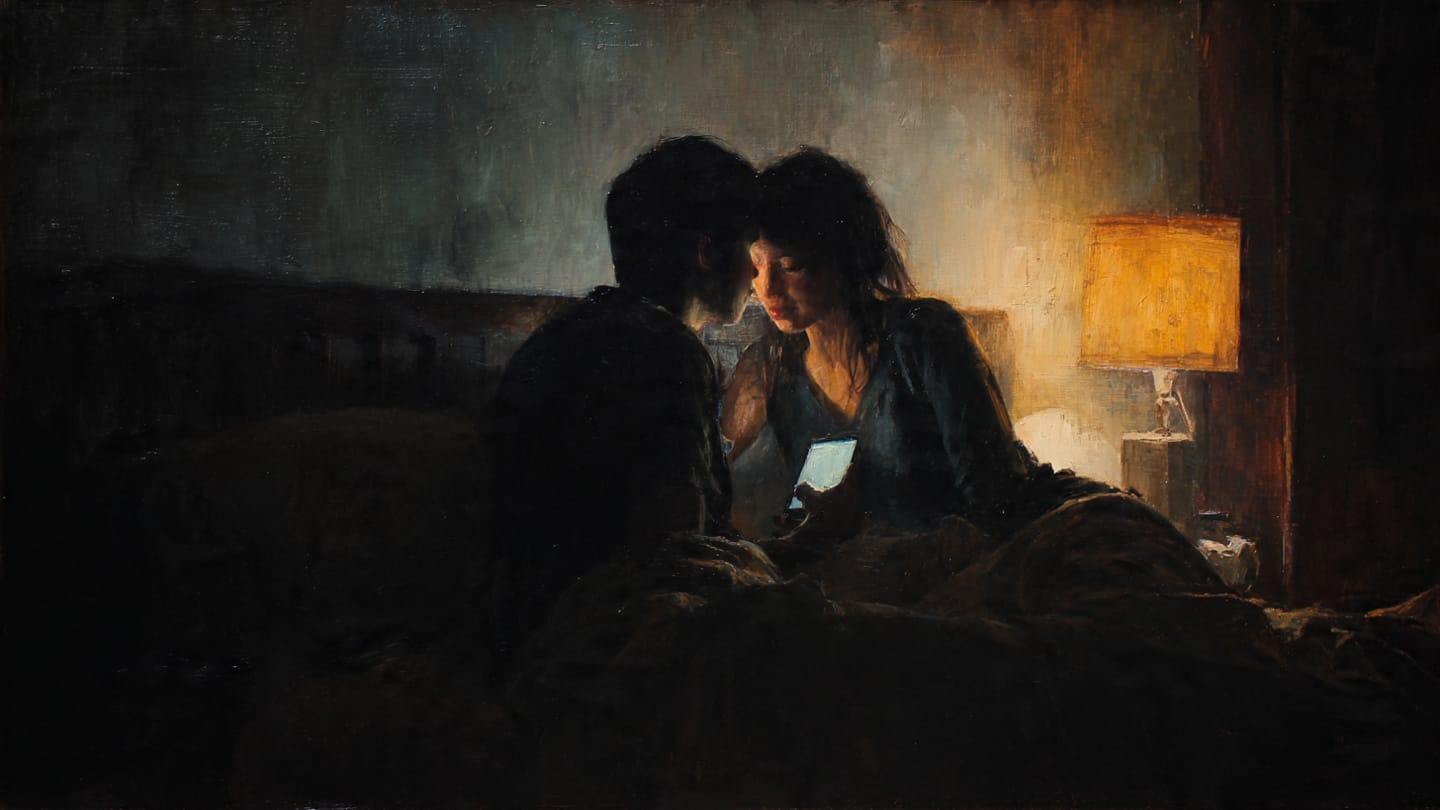
And in other cases, there is no villain you once loved—only a stranger who had access for an hour. A laptop goes in for repair, a phone is left at a shop, a technician plugs it in, clicks around, finds what was never meant to be found. A private archive is copied quietly.
Permanent Records of Temporary Mistakes
It is a phenomenon that my generation rarely understands, because we never had to live it: "The internet will remember."
I cannot find photos of myself in high school. Not because I was never in fistfights or 'rumbles', but because almost nothing was recorded. A film camera was seldom accessible. We lived in a world where most moments vanished as soon as they passed. People my age have only their memories to rely on. And memory, for all its cruelty, is at least private. It fades. It forgives. It edits.
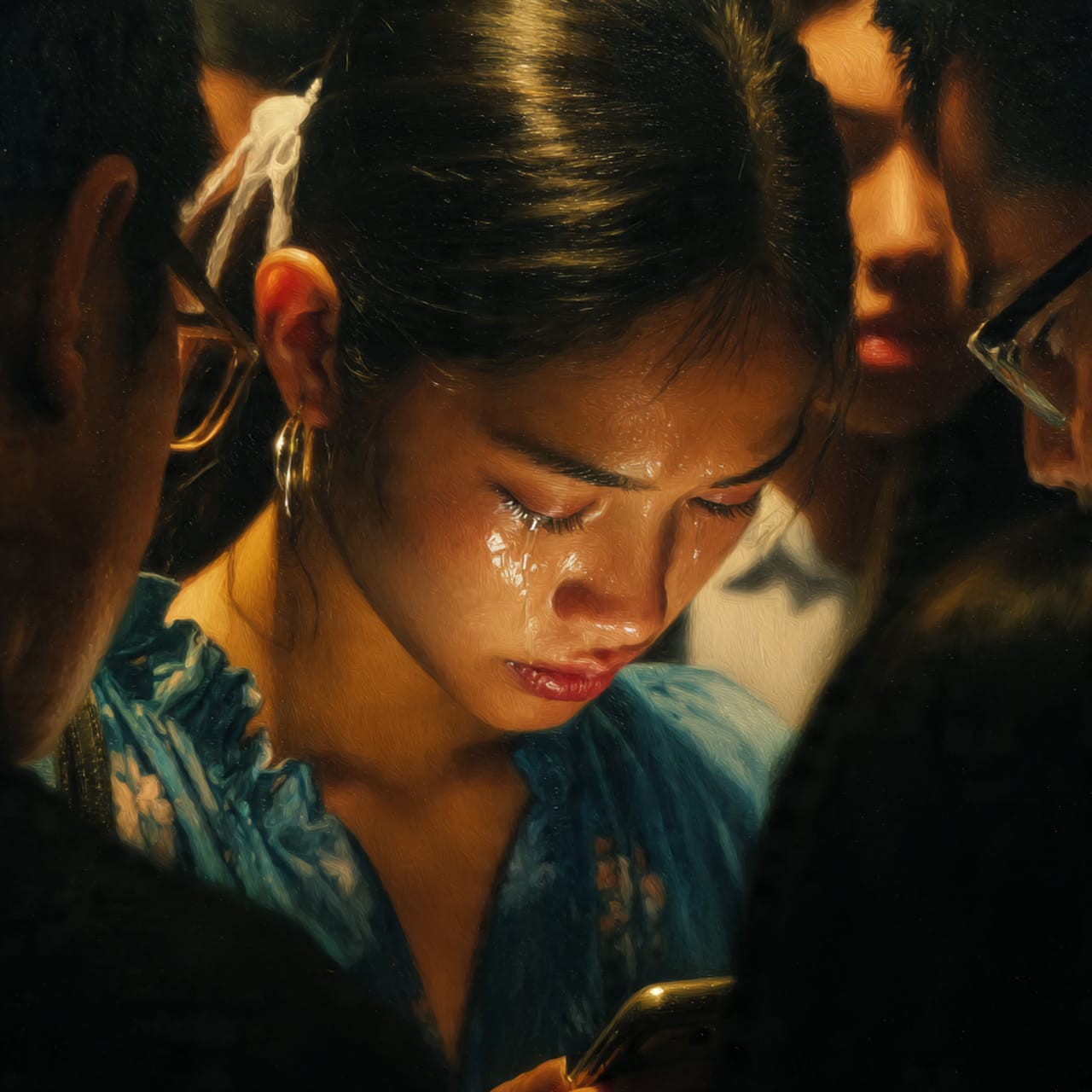
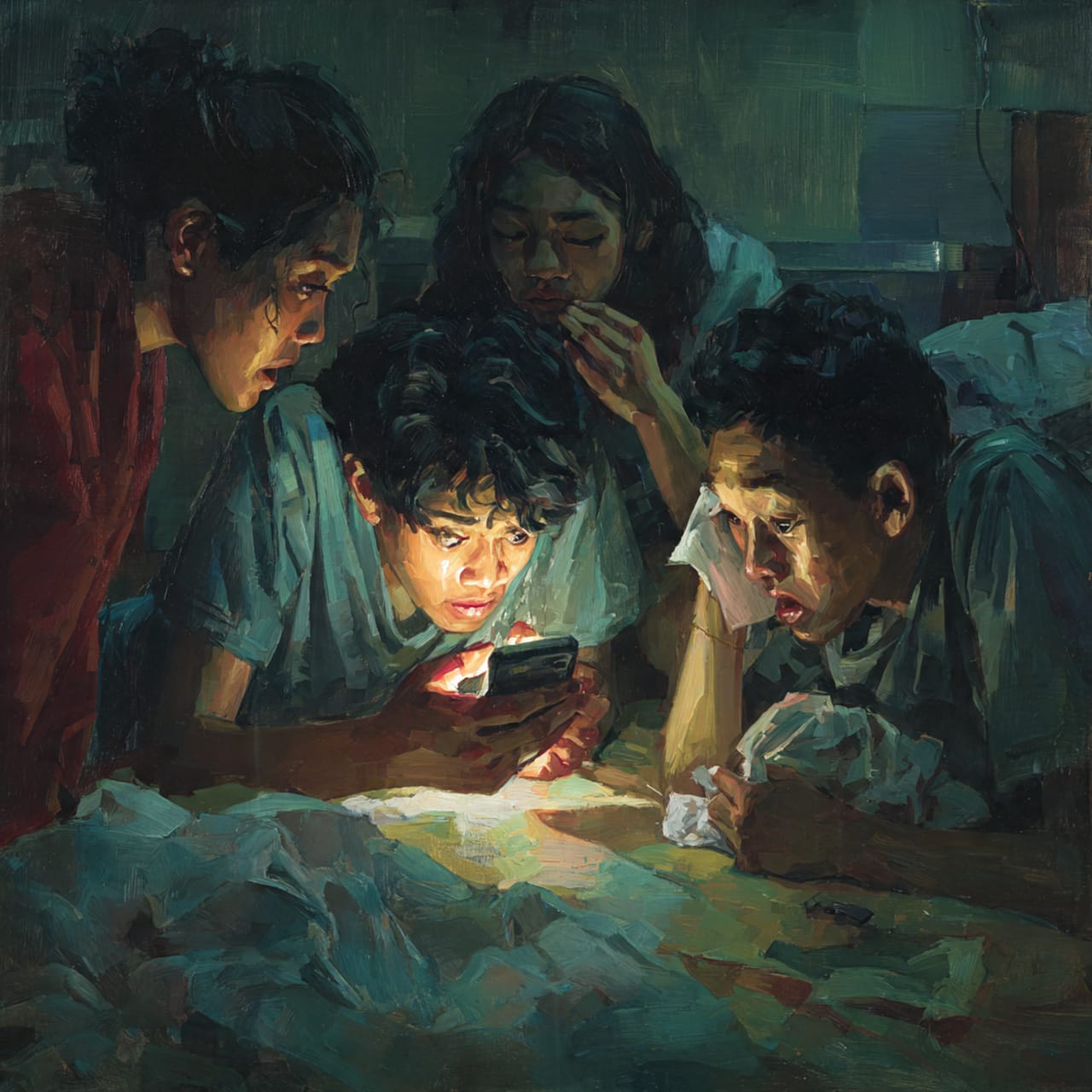
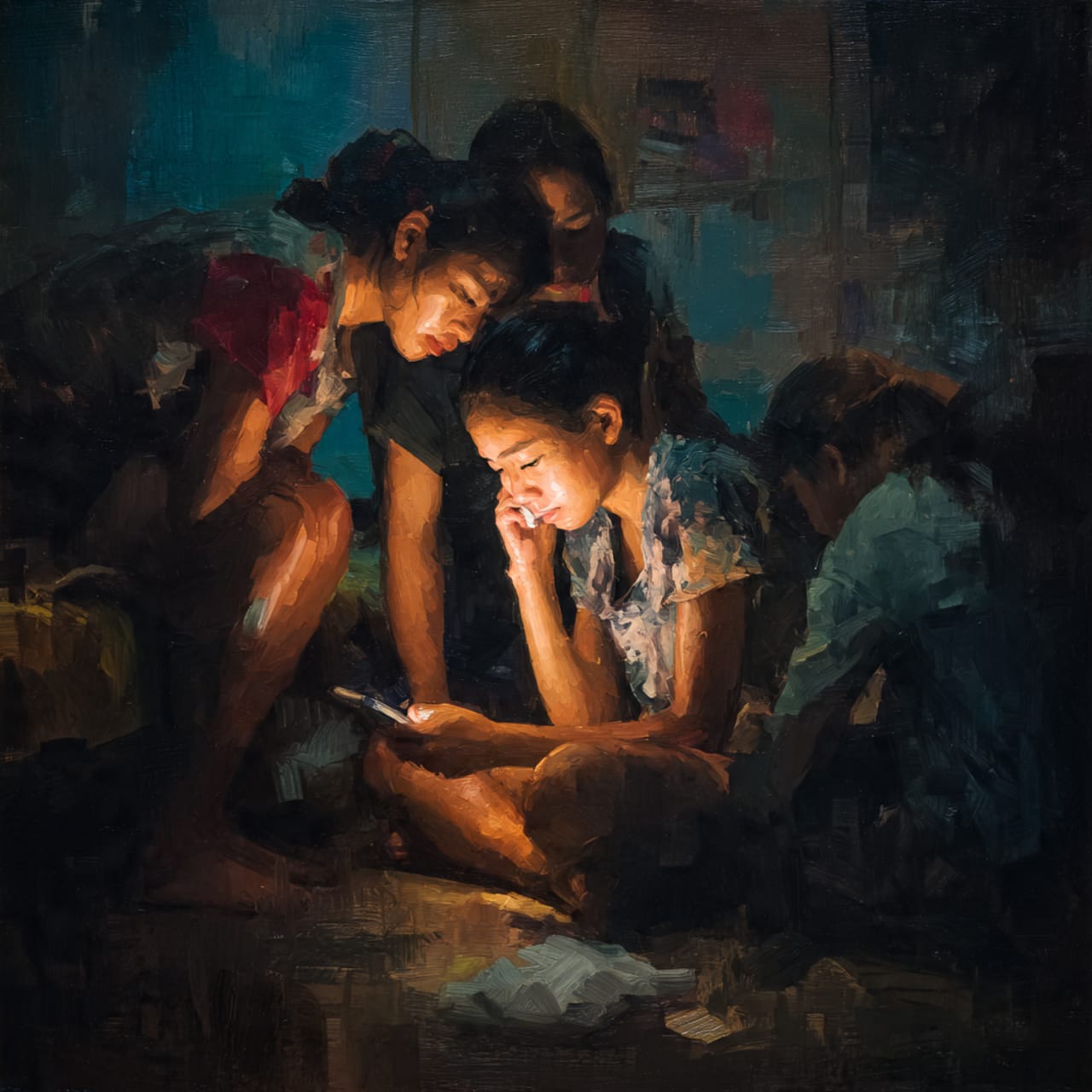
THE INTERNET is archive of mistakes: large and small -- ineradicable.
What makes life terrifying now is the specter of permanence. A private moment can be copied without loss and forwarded without friction; even if the original is deleted, the copies remain. And now, with AI, they can be cleaned up, enhanced, sharpened—made clearer, and therefore more damaging.
Of the senator’s crimes, I saw only one photo of him arrested and cuffed online. The young do not get that mercy.
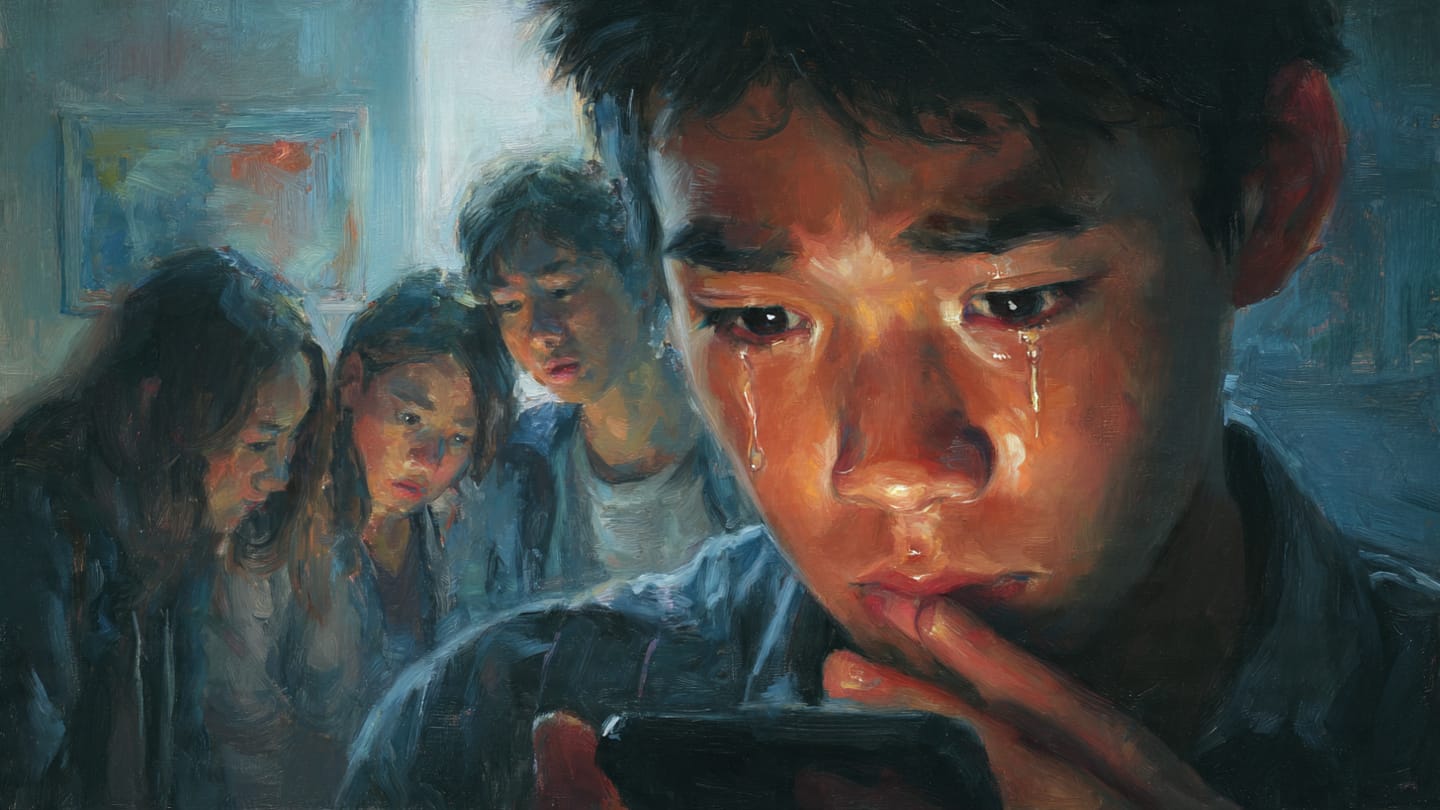
If they make a mistake and it is recorded, the mistake can outlive apologies. It can outlive growth. It can reappear at the worst possible time—during applications, interviews, engagements—when a life is supposed to be moving forward, not dragged backward. Humiliation can become an identity: stamped in pixels, searchable, replayable.
The young are not “weak.” They are navigating a world where the cost of a misstep is no longer a bruise—it is a permanent record.
And permanence is not the only new condition. The pace itself has changed.
Twitch Speed, Not Stupidity
Yes, their attention can look fractured. But the public is misreading what they notice.
While we in advertising used to shake our heads at 30-second commercials with, say, 30 cuts, the young grew up on video games—twitch speed—on music videos built with hundreds of cuts. Their minds learned early to scan, switch, filter, and decide. They can absorb more signals in less time than we ever had to, because their day is built for it: notifications, tabs, chats, clips, deadlines—everything arriving at once, everything competing – 24/7.
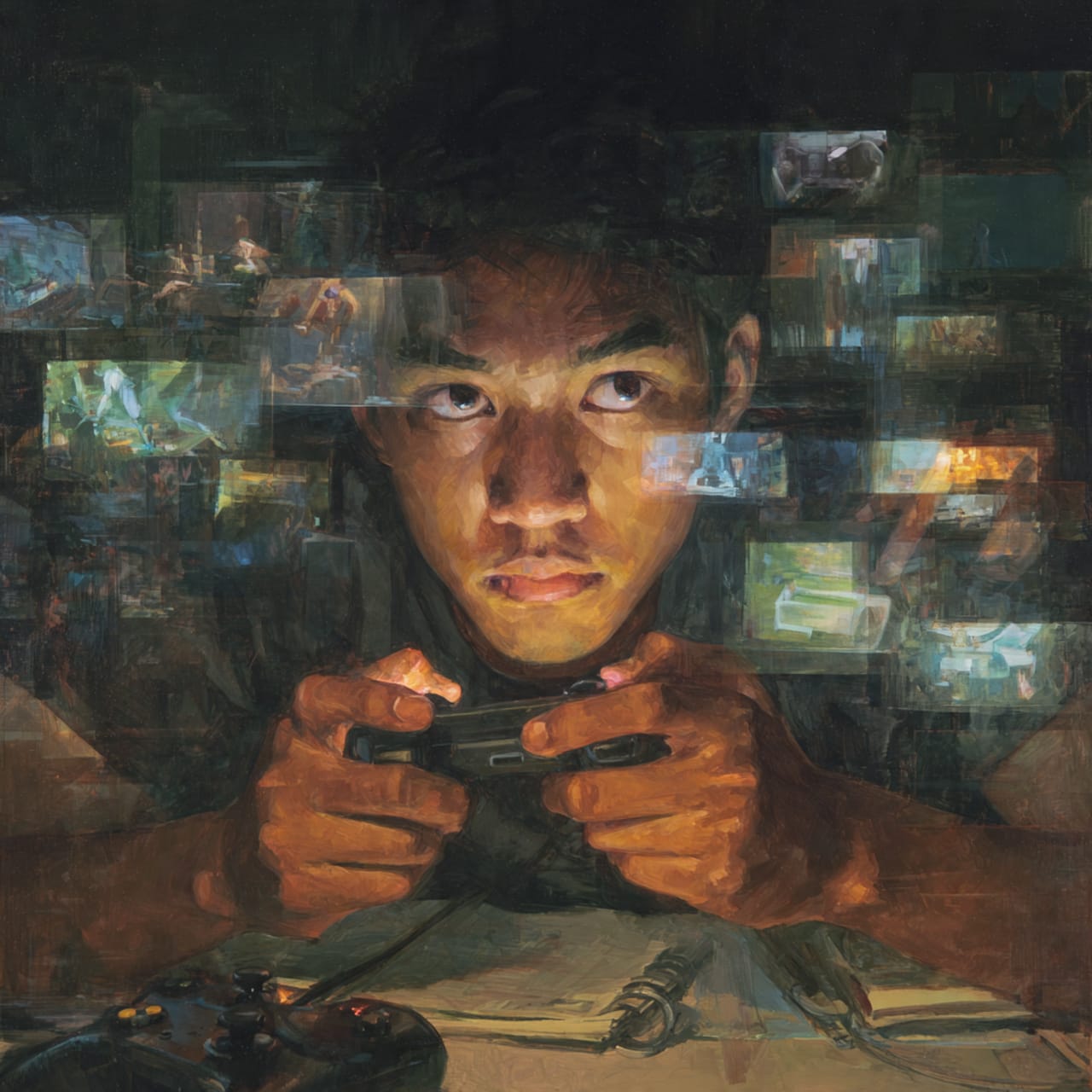
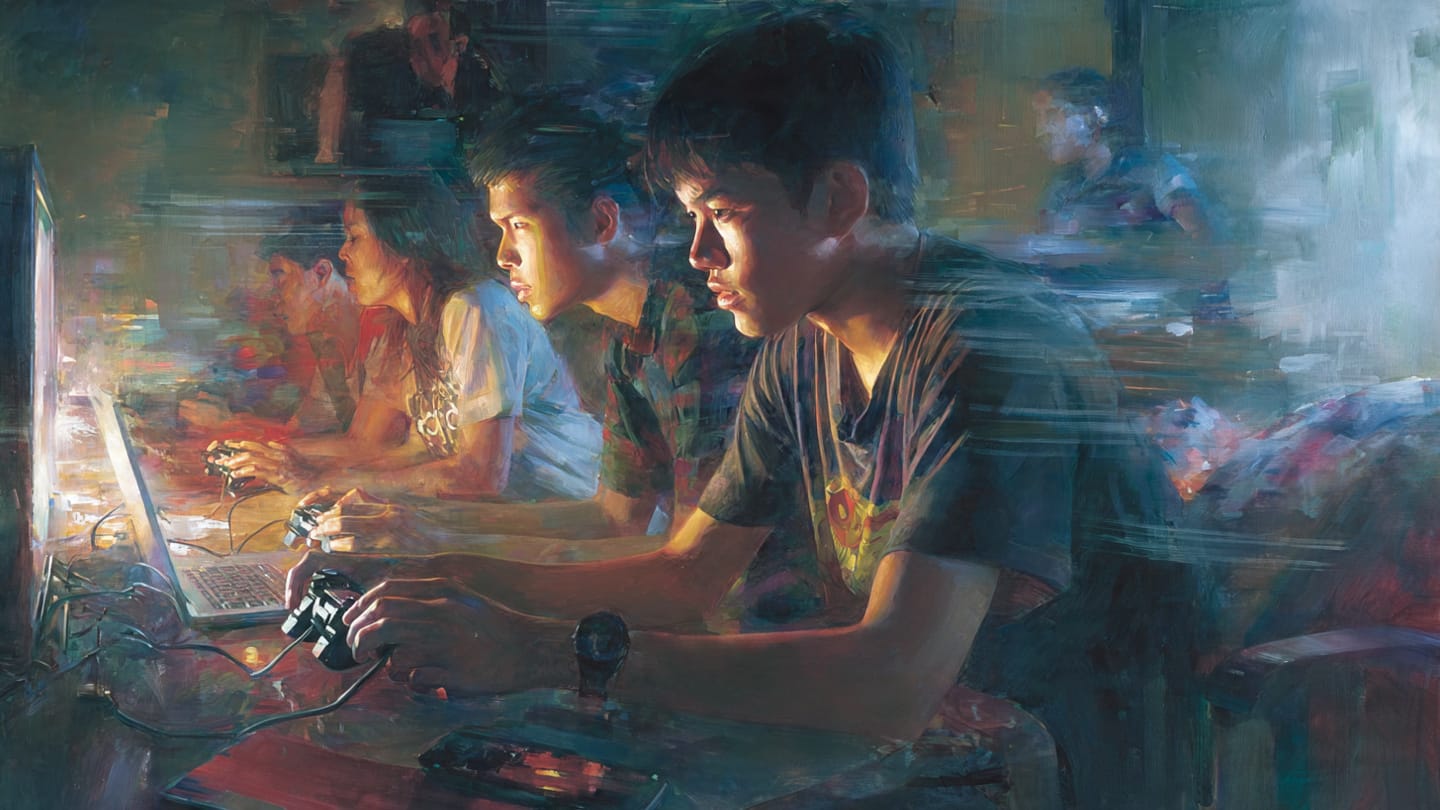
A DIFFERENT ENVIRONMENT: Remarkable twitch speed versus conventional speed, parallel processing versus linear processing, random access versus linear thinking
In this respect, they are better trained at handling information than we were.
They are also accustomed to a different way of thinking. We were raised on linearity: one book, one lesson, one path. They were raised on links, jumps, and cross-references—hypertext as a native environment. They “click around” instinctively, not because they are shallow, but because information itself is no longer arranged like a hallway; it is arranged like a city.
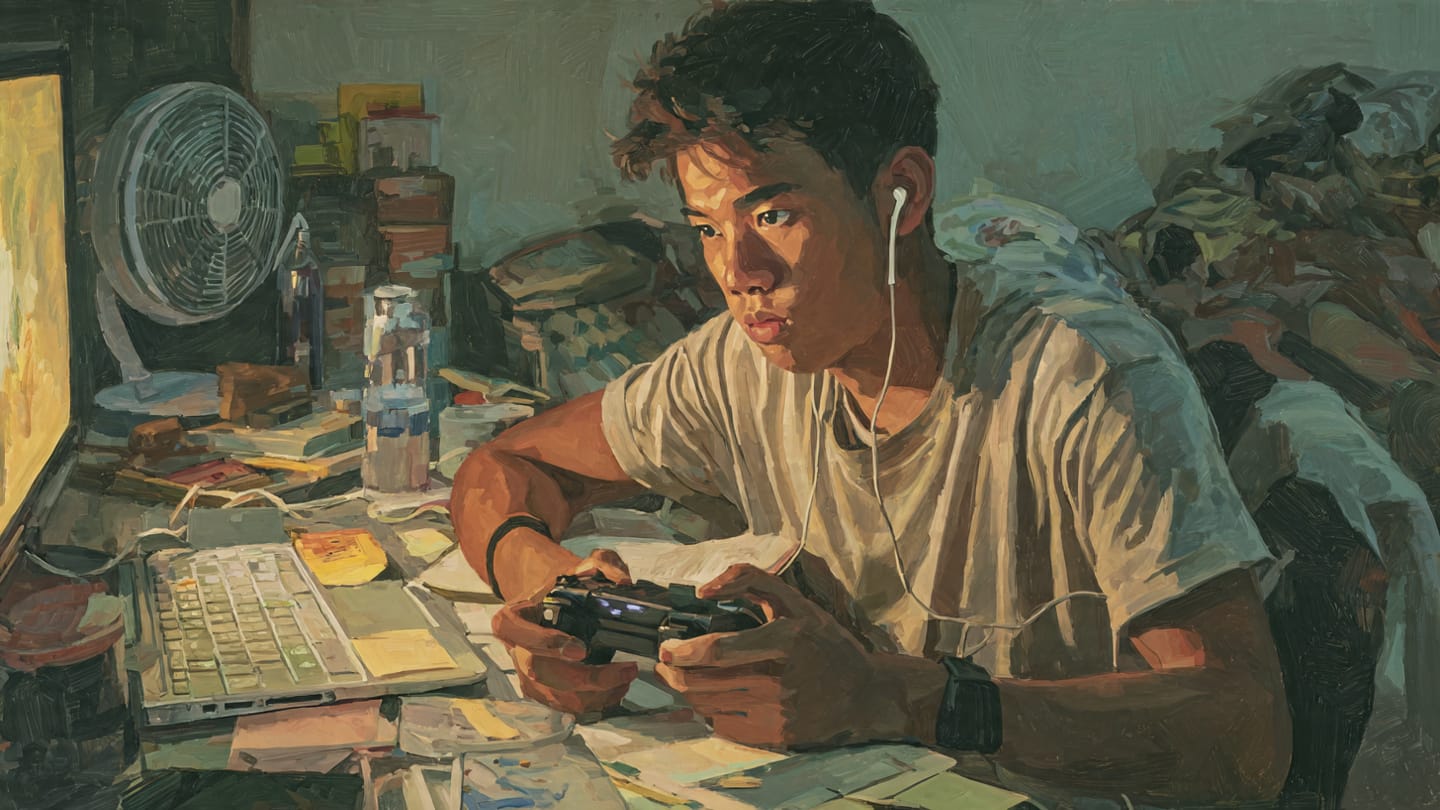
This environment is not neutral. It trains certain capacities and weakens others. Speed can come at the cost of depth; constant stimulation can thin the muscle of sustained attention. But to call the result “weakness” is to blame the child for adapting to an abnormal setting.
And beyond the screens, there is the larger inheritance: the mess we left them. Dirtier air, hotter weather, frayed institutions, corruption, poorer education, a public life that feels more cynical and more exhausting. Even when the young are not thinking about politics, they are breathing its results.
The Pandemic: When the Future Felt Lost
And then there was the pandemic—a once-in-centuries kind of darkness we did not meet in our youth.
This was a rare difficulty: the possibility that the world itself might not resume.
We did not spend formative years hearing that there was poison in the air, that touch could be lethal, that death could arrive through ordinary closeness. We did not have to wonder, at fifteen or sixteen, whether there would still be school in any meaningful sense, whether friendships would survive without bodies in the same room, whether love could begin when everyone was imprisoned at home.
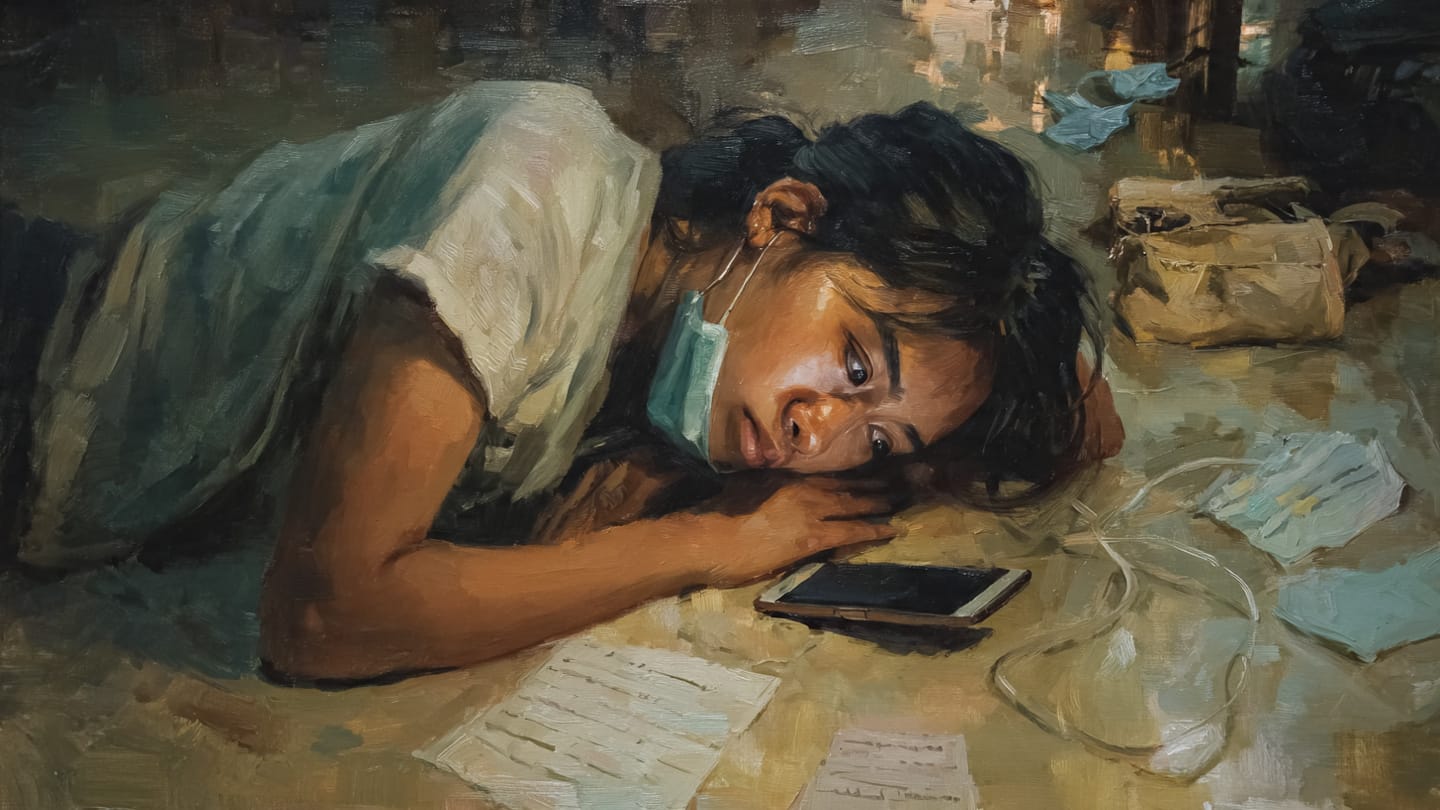
At the age when you are supposed to be dreaming forward—college, first work, first love, the slow discovery that life expands, the world contracted. Days blurred. Families lost income. Grief entered homes early and suddenly. "Was there going to be a life after this? School? A first job? A person you might marry?" When your imagination of the future is cut off at the knees, survival seemed like a feat.
We older people had recess, crowds, noise, dance parties at home, discos—the simple therapy of being among peers. The pandemic took away contact with others at the precise moment when the young were supposed to be learning what it means to belong. And while we were frightened too, we at least had the ballast of a lived past—more than a glimmer of hope that society can reset itself.
If the young emerged cautious, anxious, or exhausted, that is not evidence of fragility. It is evidence that the event was genuinely traumatic, and that it arrived at the most sensitive stage of becoming a person.
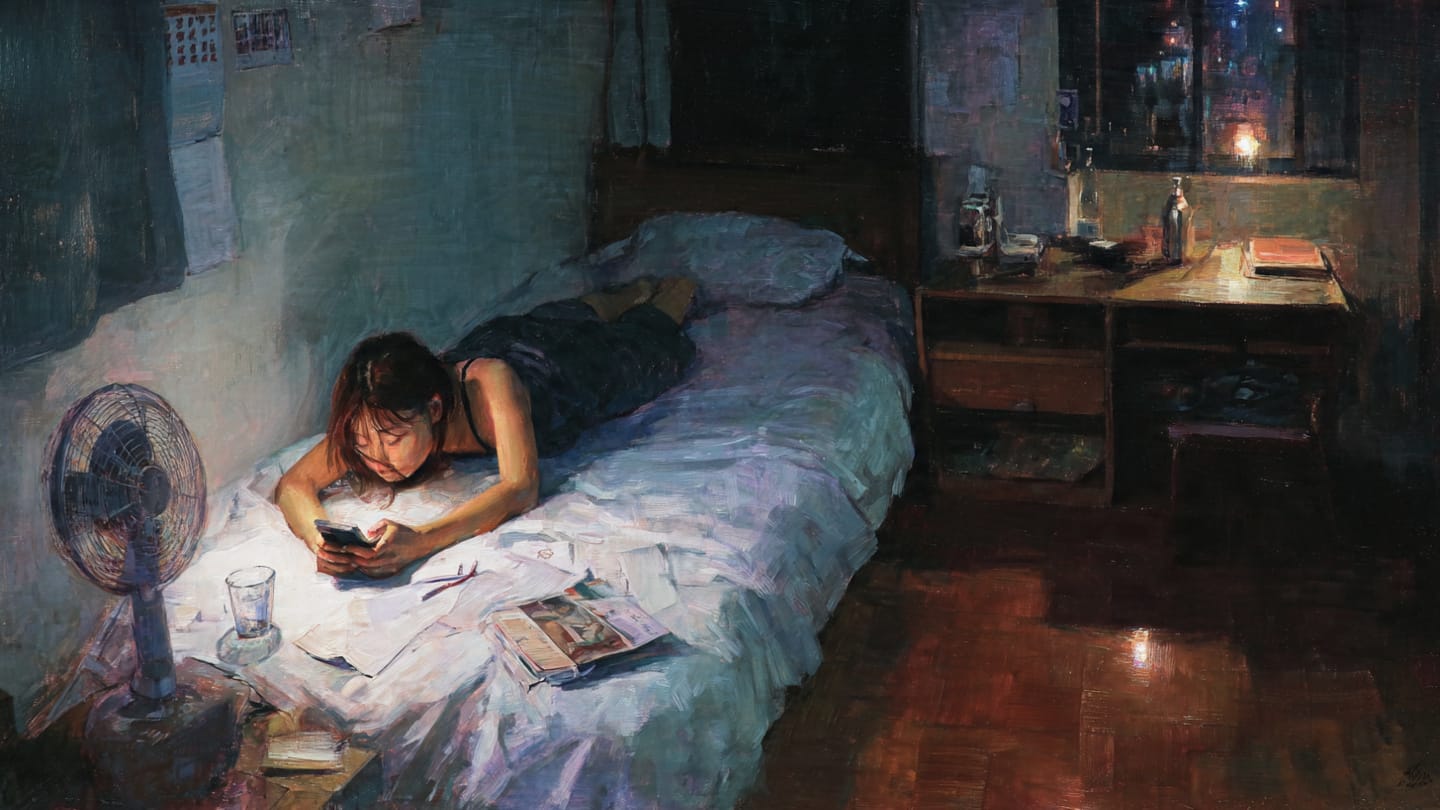
Not Just Different --They're Unparented
This generation is not merely restless. It is structurally unparented. A study shows that about one in three Filipino youth grew up without both parents, most often because a parent worked away or the partnership dissolved.
This is one consequence of the OFW phenomenon: compared with older generations, fewer young people now grow up inside a continuously intact home.
And we wonder why loneliness feels ambient, why guidance is crowdsourced, why the phone becomes confessor, friend, and parent.
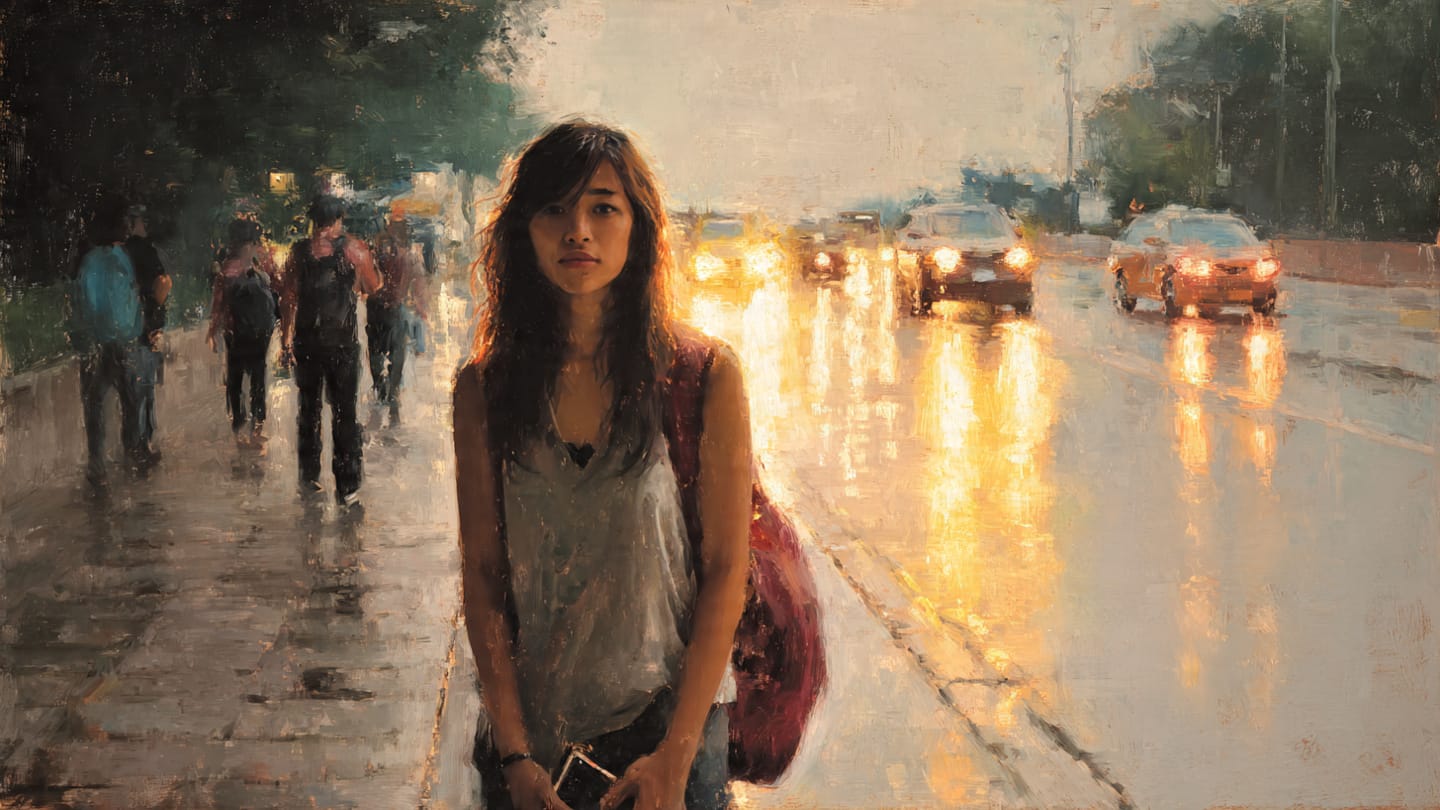
"Hindi uso yang salitang 'depresyon'" – Sen. Padilla
In our time, depression was not uncommon. It was just unnamed.
"The opposition of the Roman Catholic Church to suicide is well known, and its long-standing ban on funeral rites for suicides has been the most visible sign of it for a long time." The Prohibition of Suicide and Its Theological Rationale in Catholic Moral and Canonical Tradition: Origins and Development.
So families concealed the cause of death —and it can seem rarer than it was. Stigma did the work: family shame, religious fear, the need and instinct to keep it private. Our culture might look strong simply because it has trained us not to confess pain.
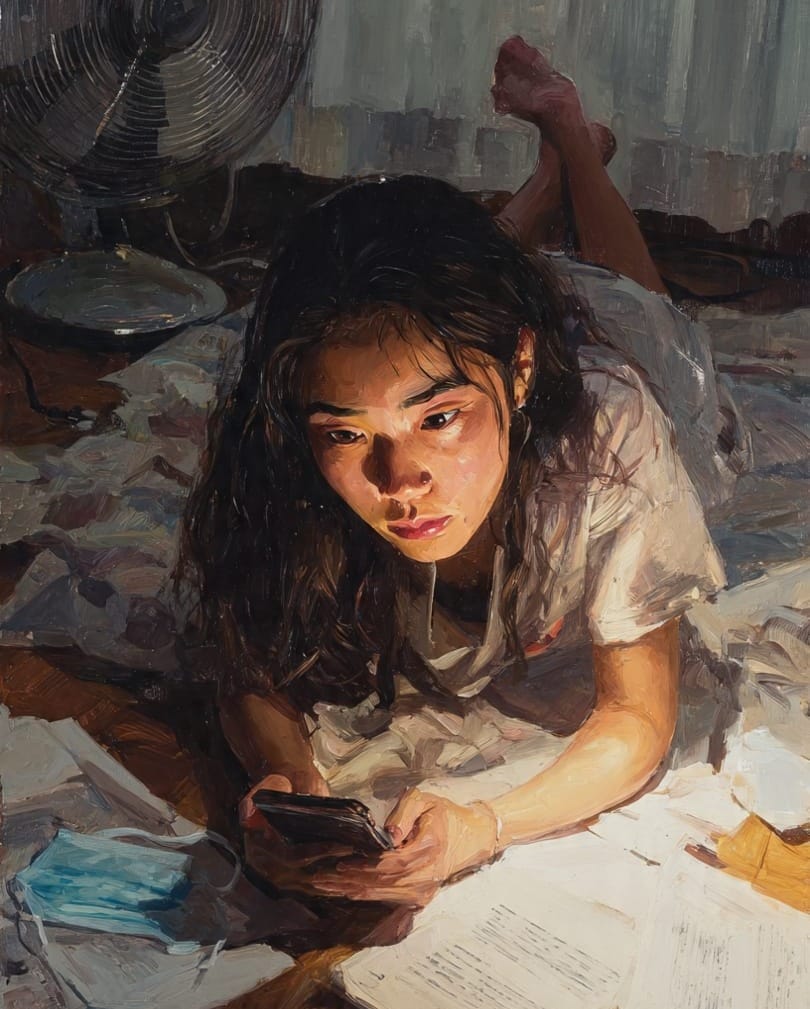
When older people use mental health as a scoreboard and conclude, therefore the young are weaker, they confuse visibility with prevalence. What has changed most is not the human capacity to suffer—it is the permission to say so, and the environment that makes private suffering public.
You Could Actually Say They Are Stronger
That is if we must compare. This generation looks different, it is because their conditions are different. The honest words are not “weak” but "burdened", "overexposed", "underprotected".
The line “this generation is weak” is not analysis. It is nostalgia turned into an insult.
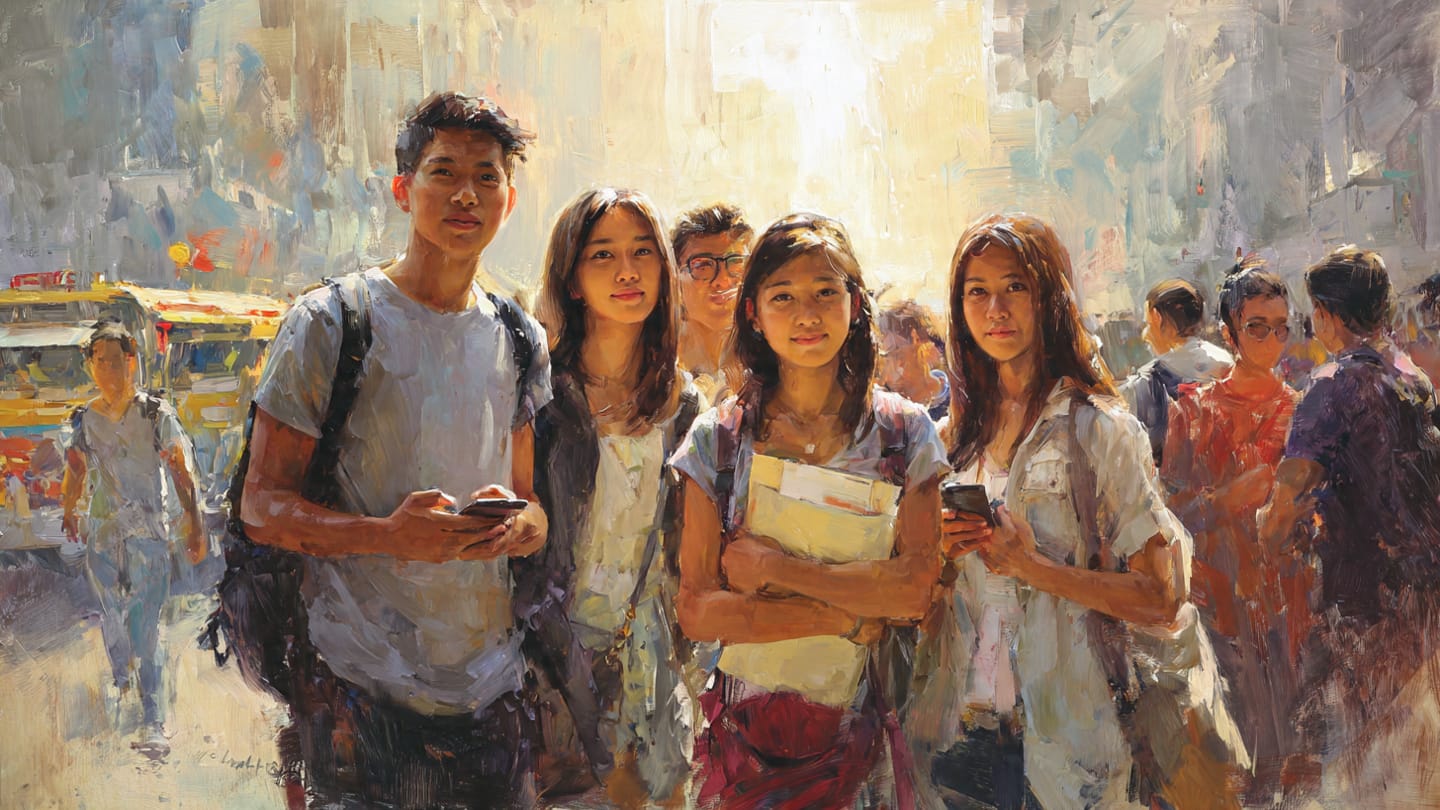
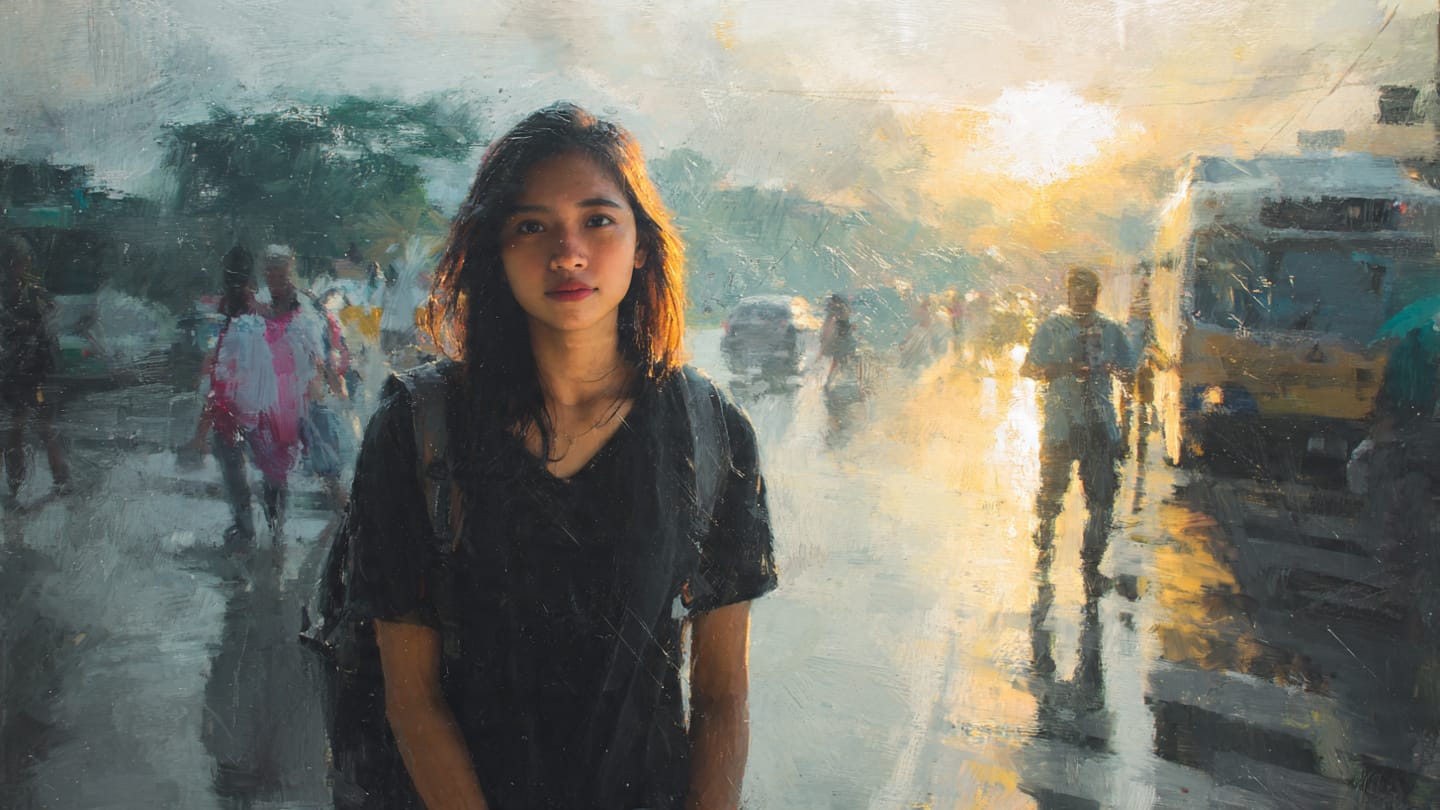
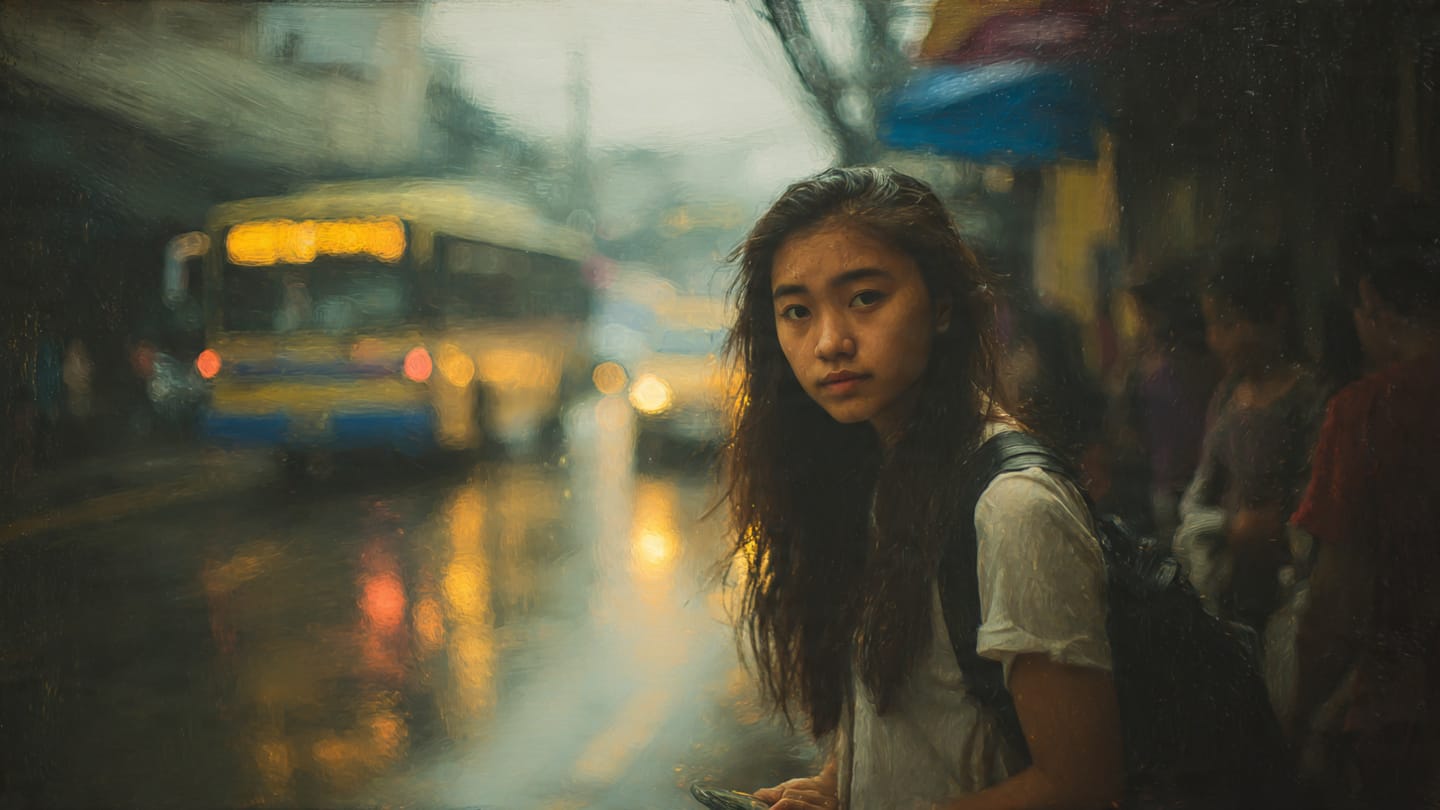
A GENERATION learning to live in public, heal in public.
If anything, faced with what they face today—the foreverness of the internet, the volatility of attention, days that do not end, the precariousness of the future—you might say they are stronger. They are learning to live in public, to heal in public, to grow up under surveillance. And we still expect them to imagine a life worth living.
So no: they are not weak. Their music, however, is—generally speaking—dreadful.

Vincent R. Pozon
Koyang has been in advertising for more than half a century, in various agencies, multinational and local. He is known for aberrant strategic successes (e.g., Clusivol’s ‘Bawal Magkasakit’, Promil’s ‘The Gifted Child’, RiteMED’s ‘May RiteMED ba nito?', VP Binay's 'Ganito Kami sa Makati', JV Ejercito's 'The Good One', Akbayan's 'Pag Mahal Mo, Akbayan Mo')). He is chairman of Estima, an ad agency dedicated to helping local industrialists, causes and candidates.
If you liked what you just read and want more of Our Brew, subscribe to get notified. Just enter your email below.
Related Posts
The Stars Are Not Aligning
Mar 12, 2026
Thank you, Bong Suntay
Mar 09, 2026
Edsa, Ideally
Feb 26, 2026