

By Mariana Burgos
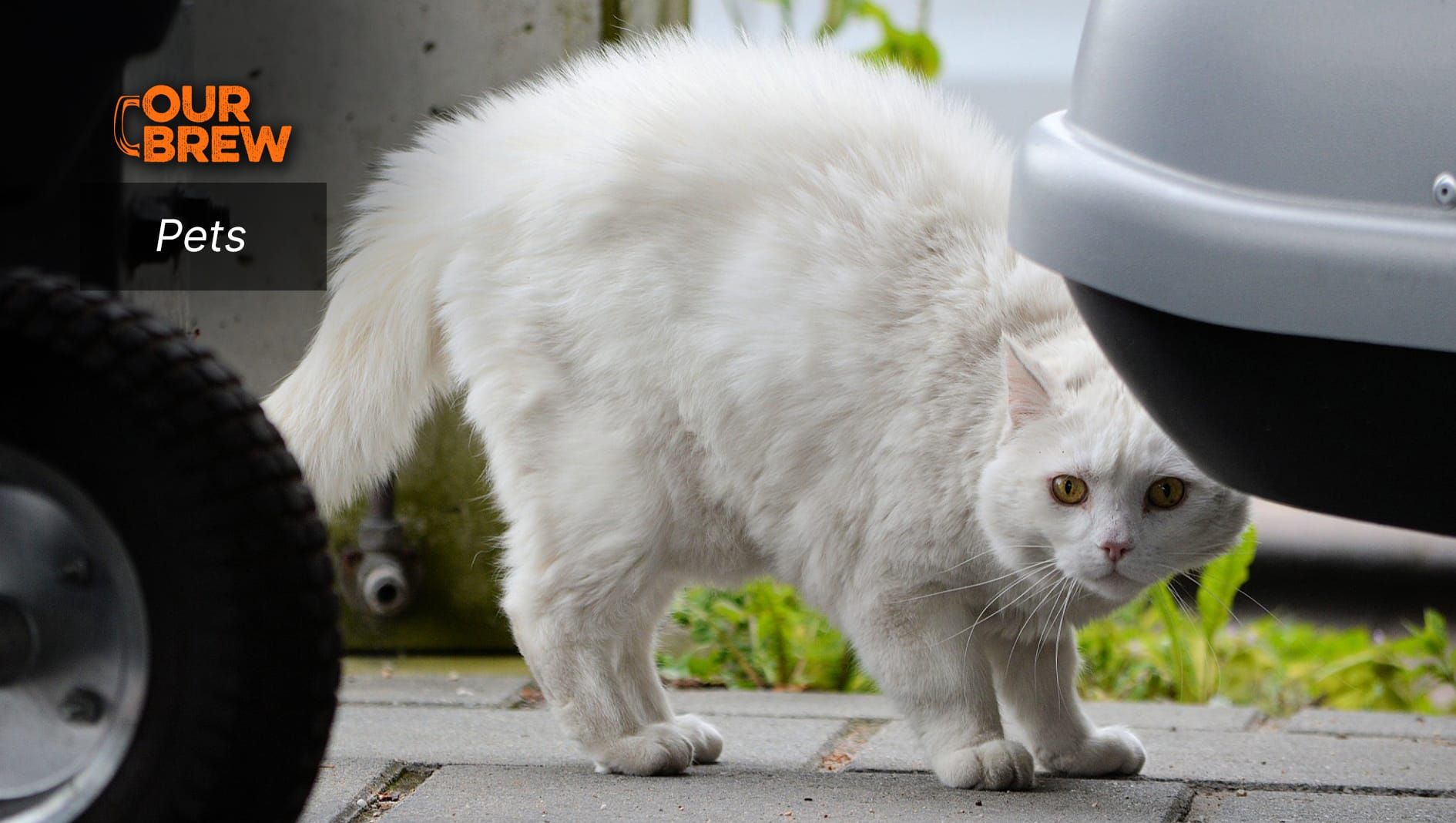
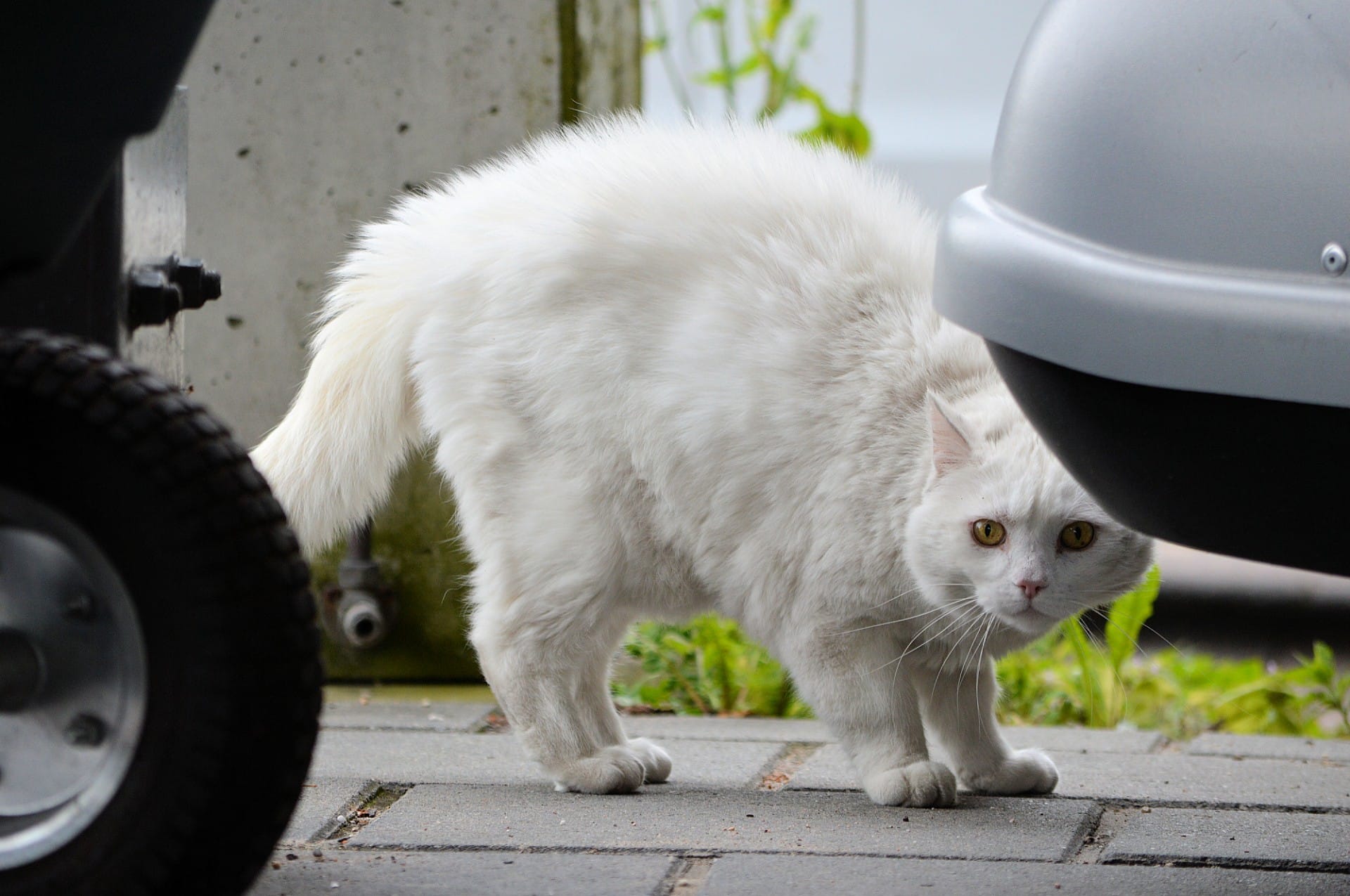
Cats are fascinating creatures, known for their curious and independent nature. However, despite their often confident demeanor, cats have a variety of fears and anxieties that can affect their behavior and well-being. Understanding what cats are afraid of is essential for any cat owner who wants to provide a safe and comforting environment for their feline companions.
One of the most prevalent fears among cats is loud noises. According to the article “What Are Cats Afraid Of? 10 Common Cat Fears and Anxieties” by PetMD, sudden and loud sounds such as thunderstorms, fireworks, vacuum cleaners, and even loud music can trigger intense fear responses in cats. This fear is deeply rooted in their survival instincts; loud noises often signal danger in the wild, prompting cats to seek shelter or hide. The sensitivity of a cat’s hearing, which is far more acute than that of humans, amplifies their reaction to these sounds. Owners can help by creating a quiet, secure space where their cats can retreat during noisy events and by using calming aids such as pheromone diffusers.
Strangers and unfamiliar people also rank high on the list of common cat fears. The article from Vetic titled “What Are Cats Afraid Of? Common Fears, Anxiety & Help” explains that cats are territorial animals and often wary of new individuals entering their space. This wariness is a natural defense mechanism to protect themselves from potential threats. Cats may respond to strangers with hiding, hissing, or aggressive behavior. Gradual introductions and allowing the cat to approach new people on their own terms can reduce anxiety. Providing safe zones where the cat can observe strangers without feeling cornered is also beneficial.

Water is another common fear among cats, as highlighted in both referenced articles. While some cats may tolerate or even enjoy water, many are instinctively afraid of it. This fear likely stems from their evolutionary history; domestic cats descended from desert-dwelling ancestors who had little exposure to water. The sensation of being wet can be uncomfortable and unfamiliar, causing distress. Owners should respect this fear and avoid forcing cats into water-based situations unless necessary, such as during grooming or medical baths, which should be handled gently and with care.
Changes in the environment can provoke anxiety in cats, a point emphasized by PetMD. Cats thrive on routine and familiarity, and sudden changes—whether moving to a new home, rearranging furniture, or introducing new pets—can be unsettling. This fear of change is linked to their need for predictability to feel secure. The Vetic article also notes that environmental changes can lead to stress-related behaviors such as excessive grooming, hiding, or loss of appetite. To ease transitions, owners should introduce changes gradually and maintain consistent feeding and play schedules.
Other animals, particularly unfamiliar cats and dogs, can be a source of fear for many cats. Territorial instincts and past negative experiences often contribute to this fear. According to the PetMD article, encounters with other animals can lead to defensive behaviors or stress. Proper socialization from a young age and controlled introductions can help cats build confidence around other animals. Providing vertical spaces like cat trees or shelves can also give cats a sense of safety and control during interactions.
The fear of mirrors and reflections is a less common but intriguing anxiety noted in some cats. Reflections can confuse cats as they may perceive their own image as another cat, leading to cautious or defensive behavior. This phenomenon is mentioned in various cat behavior discussions and aligns with the general theme of unfamiliar stimuli causing fear.

In addition to these specific fears, cats can experience generalized anxiety, often manifesting as nervousness or restlessness. The Vetic article discusses how anxiety in cats can be triggered by multiple factors, including past trauma, lack of socialization, or health issues. Recognizing signs of anxiety—such as excessive vocalization, destructive behavior, or withdrawal—is crucial for timely intervention. Veterinary guidance and behavioral therapy can be effective in managing anxiety.
Helping a fearful cat requires patience and understanding. Both articles emphasize the importance of providing a safe and predictable environment. Creating hiding spots, maintaining routines, and using calming products like pheromone sprays can significantly reduce stress. Positive reinforcement through treats and play can also build a cat’s confidence. Importantly, owners should avoid punishing fearful behavior, as this can exacerbate anxiety.
Cats are afraid of a variety of stimuli ranging from loud noises and strangers to water and environmental changes. These fears are deeply ingrained in their nature and survival instincts. Understanding and addressing these fears not only improves a cat’s quality of life but also strengthens the bond between cat and owner. By recognizing the signs of fear and anxiety and responding with empathy and care, cat owners can create a nurturing environment where their feline friends feel safe and loved.
This article also appears in the Manila Standard
About the Author: Mariana Burgos is a freelance artist, writer, and tutor. She has been a solo parent for 19 years now because she is the wife of Jonas Burgos, a Filipino desaparecido. She and her daughter are animal lovers and are active in advocating not only human rights but the rights of animals as well.
If you liked what you just read and want more of Our Brew, subscribe to get notified. Just enter your email below.
Related Posts
The Role of Gut Microbiome Diversity in Enhancing Pet Health and Longevity
Jul 27, 2026
The Evolution of Pet Food
Jul 20, 2026
Children’s Books Teach Love, Compassion for Animals
Jul 15, 2026