

By Mariana Burgos
Understanding whether your dog is genuinely happy is a question many pet owners ask themselves. Dogs, unlike humans, cannot verbally express their emotions, so we rely on their behavior, body language, and physiological cues to interpret their feelings. But how can we be sure that what we see is true happiness? The science behind canine emotions provides fascinating insights into how dogs communicate joy and contentment, helping us better understand our furry companions.
Recognizing Happiness in Dogs: Behavioral and Physical Signs
According to the article “Is My Dog Happy?” by PetMD, one of the most recognizable signs of a happy dog is a relaxed body posture combined with a wagging tail. However, not all tail wags are created equal. A slightly upright, moderately wagging tail often indicates happiness, while a “helicopter tail” — a vigorous wagging that involves the whole rear end — is a strong sign that your dog is excited and joyful. This tail behavior is not just random movement; it is a form of communication that signals positive emotional states.
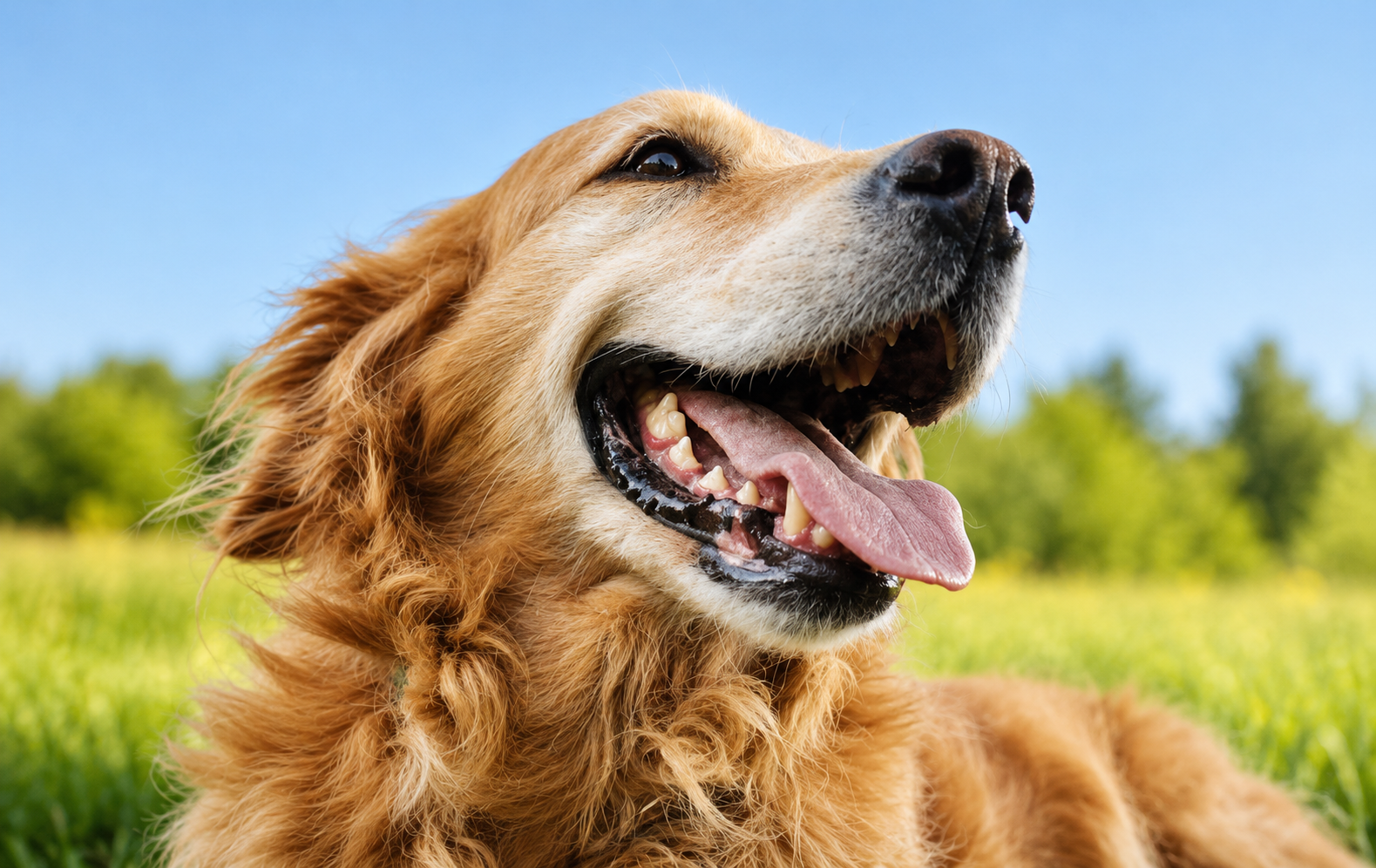
The American Kennel Club (AKC) in their article “How Do I Know If My Dog Is Happy?” highlights that a happy dog’s face often looks soft and calm. Their eyes may appear relaxed, and their mouth might be slightly open, sometimes resembling a smile. This “dog smile” is more than just a cute expression; it reflects a relaxed and content state. When dogs are playing or running, their body language becomes more animated but remains fluid and loose, which contrasts with the stiff or tense posture seen in anxious or fearful dogs.
The Science of Canine Emotions: What Happens Inside?
The emotional experiences of dogs are rooted in their brain chemistry and physiology. According to the article “11 Clear Signs Your Dog Is Happy and Content” by Honor.pet, the release of certain neurochemicals plays a crucial role in how dogs experience happiness. Oxytocin, often called the “love hormone,” is released during positive interactions between dogs and their owners, such as petting, playing, or simply spending time together. This hormone not only strengthens the bond between dog and human but also promotes feelings of trust and well-being in dogs.

Dopamine, another key neurotransmitter, is associated with pleasure and reward. When a dog engages in enjoyable activities like eating a favorite treat or playing fetch, dopamine levels increase, reinforcing the behavior and contributing to their overall happiness. Serotonin, known for regulating mood, also influences a dog’s emotional state. Low serotonin levels can be linked to anxiety or aggression, while balanced levels support calmness and contentment.
Trust and Emotional Connection: Foundations of Canine Happiness
Happiness in dogs is closely tied to their sense of security and trust in their environment and humans. PetMD’s article on dog behavior explains that dogs show trust through relaxed body language, cooperation, and seeking out their owners for guidance, especially in new or stressful situations. A dog that trusts its owner will often stay close during playtime, respond eagerly to commands, and display sensitivity to the owner’s emotions.
This emotional connection is bi-directional. The AKC article emphasizes that dogs are highly attuned to human emotions and routines. They can sense subtle changes in their owner’s mood and body language, which affects their own emotional state. When owners provide consistent care, affection, and positive reinforcement, dogs feel secure and happy.
Behavioral Indicators Beyond the Tail Wag
While tail wagging is a prominent sign, other behaviors also indicate happiness. According to Honor.pet, a happy dog will often exhibit a relaxed body with loose muscles, a wagging tail, and playful behavior. They may also show a willingness to engage with people and other dogs, display curiosity, and have a healthy appetite.

Yawning, stretching, and rolling on their back to expose their belly are additional signs of comfort and happiness. These behaviors indicate that the dog feels safe and relaxed in its environment. Conversely, signs of stress or unhappiness include tucked tails, avoidance, excessive barking, or destructive behavior.
The Role of Environment and Routine in Canine Happiness
A dog’s happiness is not just about momentary feelings but also about their overall quality of life. The AKC article points out that dogs thrive on routine and predictability. Regular feeding times, exercise, social interaction, and mental stimulation contribute significantly to a dog’s well-being. Dogs that lack these essentials may exhibit signs of boredom or anxiety, which can be mistaken for unhappiness.
Providing a stimulating environment with toys, opportunities for socialization, and varied activities helps keep a dog mentally and physically healthy. This holistic approach to care supports the neurochemical balance that underpins happiness.
Knowing if your dog is genuinely happy involves observing a combination of behavioral cues, understanding the science behind their emotions, and providing an environment that meets their physical and emotional needs.
By paying close attention to these and fostering a trusting, loving relationship, dog owners can ensure their pets lead joyful, content lives. Happiness in dogs is not just a feeling but a complex interplay of behavior, brain chemistry, and environment — all of which we can influence positively through care, attention, and affection.
This article also appears in the Manila Standard
About the Author: Mariana Burgos is a freelance artist, writer, and tutor. She has been a solo parent for 19 years now because she is the wife of Jonas Burgos, a Filipino desaparecido. She and her daughter are animal lovers and are active in advocating not only human rights but the rights of animals as well.
If you liked what you just read and want more of Our Brew, subscribe to get notified. Just enter your email below.
Related Posts
Garlic Toxicity in Pets: Understanding the Risks and Effects
Oct 07, 2026
Pumpkin Seeds Are Natural Dewormers for Cats and Dogs
Oct 05, 2026
Chicken Entrails and Guts for Pets
Oct 02, 2026