

By Vincent R. Pozon
Surprise, surprise
I have always wondered why, in the contest between good and bad, the good side is always outfought. And loses.
That may be stretching it, labeling the Senate minority "good". But for the purposes of this argument, let us say they are the side not facing arrest warrants. And proceed from there.
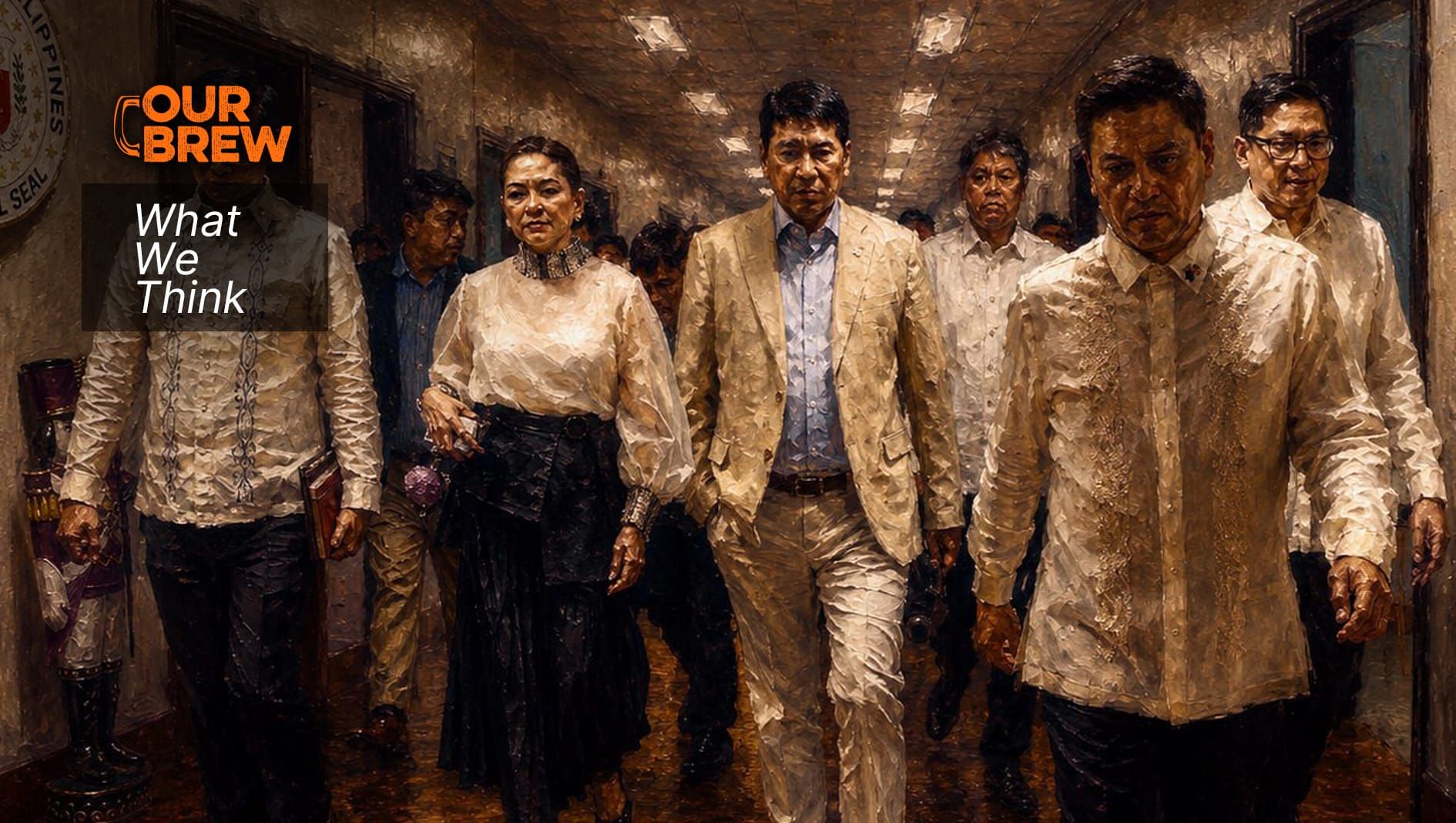
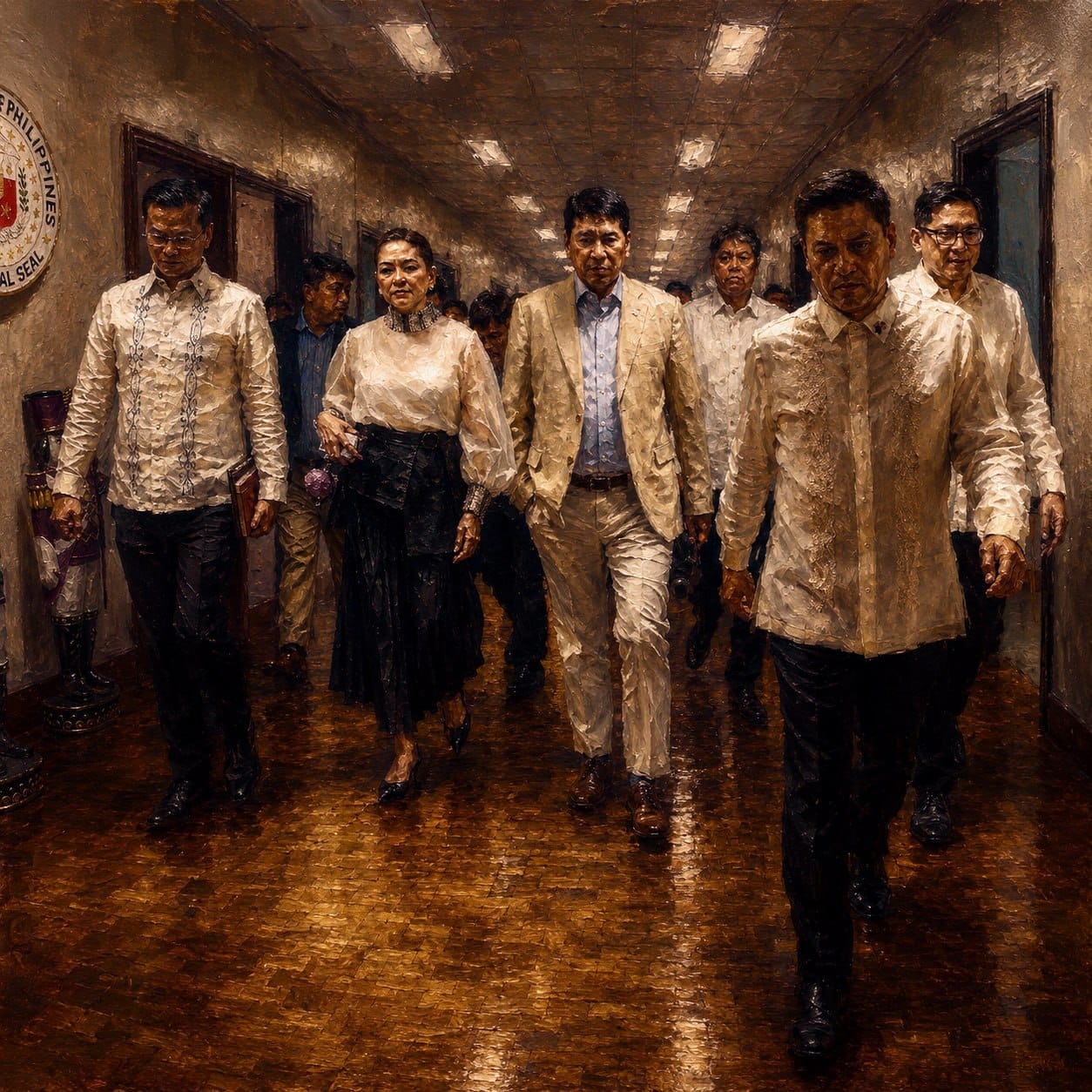
On May 11, Senator Ronald dela Rosa, wanted by the International Criminal Court for crimes against humanity, materialized inside the Senate chamber after months of absence. That was the first surprise. The second was that he was there to vote for Alan Peter Cayetano as Senate president. The minority, stunned, managed only a last-minute counter-nomination before losing the vote 13 to 9. Then came the gunshots. Then dela Rosa was whisked out in the dead of the night. Days later, the majority railroaded a motion to allow senators to participate in sessions remotely, under "justifiable circumstances." One surprise after another, each one somehow still surprising.
"Naguluhan kami," Ping Lacson said. "Nabigla kami."
On the matter of attending and voting remotely, Cayetano invoked good faith. People, he said, must be accorded that. If the minority accedes, then they deserve to lose.
But back to the point: why does the good side always lose?
Researchers say that it could be caused by the illusion of "Moral Symmetry", the tendency to assume others share your ethical framework. Good-faith actors underestimate the willingness of bad-faith actors to cheat, because they themselves would not.
But this is my read: in this case it goes beyond decency, or the lack of it. The other side is not protecting power in the ordinary sense; they are not preserving chairmanships or budget allocations.
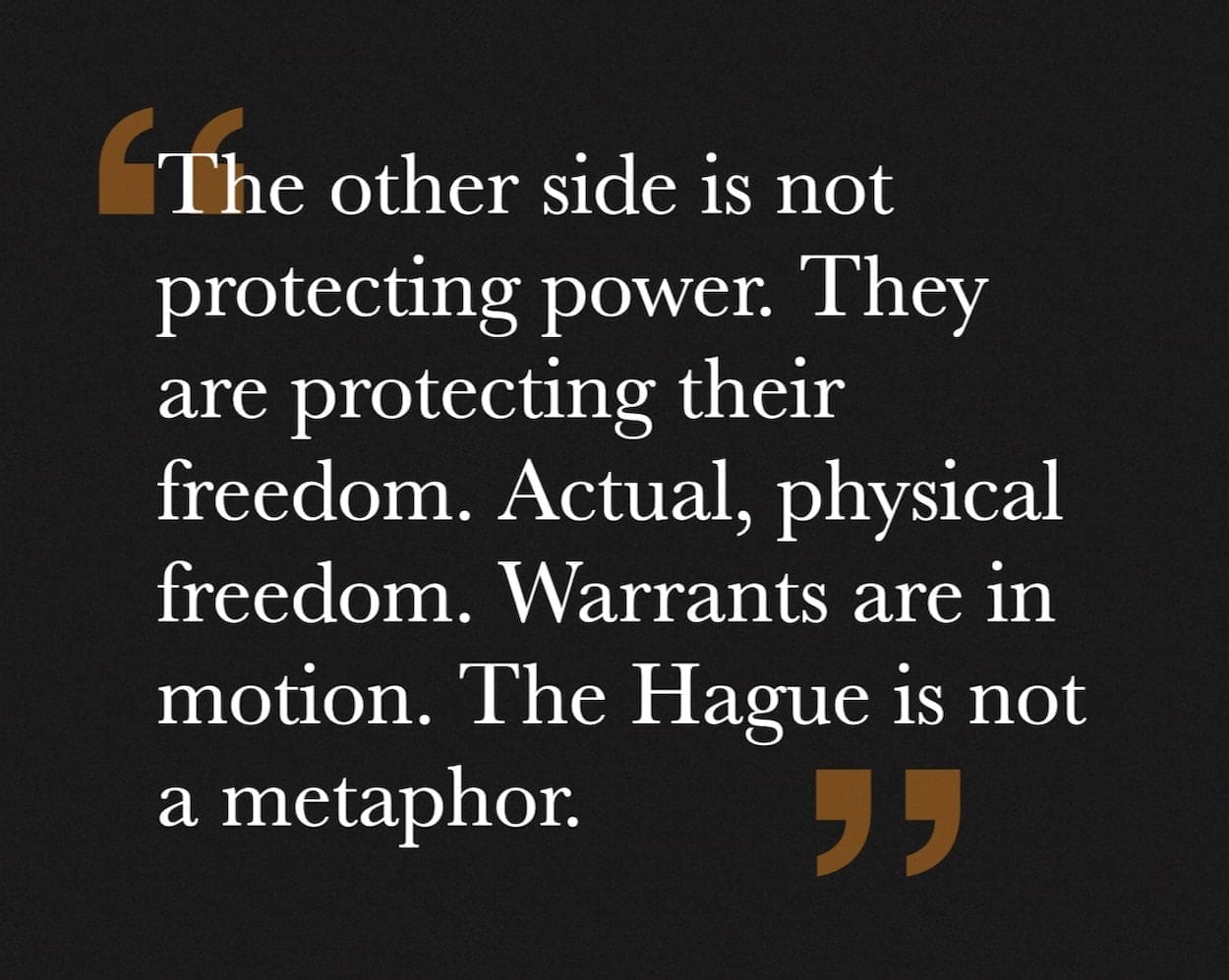
They are protecting their freedom. Actual, physical freedom. Warrants are in motion. The Hague is not a metaphor. Ronald dela Rosa's name is on a document alongside Rodrigo Duterte's. Bong Go's name, according to sources, may follow.
Men facing that kind of reckoning become more creative, more ruthless, more prepared. They have to be. Survival sharpens the mind in ways that civic duty simply does not.
The bad side is not smarter. It is more motivated to think. And in politics, in poker, in war, that is often decisive.
The more unsettling question is why the good side, knowing all this, keeps arriving unprepared. Though one could also ask, more quietly: is malice simply more familiar, more comfortable in the minds of the bad?
So what to do? Well, there is counsel they might want to consider: "I am sending you out like sheep among wolves. So be as cunning as snakes."

Vincent R. Pozon
Koyang has been in advertising for more than half a century, in various agencies, multinational and local. He is known for aberrant strategic successes (e.g., Clusivol’s ‘Bawal Magkasakit’, Promil’s ‘The Gifted Child’, RiteMED’s ‘May RiteMED ba nito?', VP Binay's 'Ganito Kami sa Makati', JV Ejercito's 'The Good One', Akbayan's 'Pag Mahal Mo, Akbayan Mo')). He is chairman of Estima, an ad agency dedicated to helping local industrialists, causes and candidates.
If you liked what you just read and want more of Our Brew, subscribe to get notified. Just enter your email below.
Related Posts
When Stupidity Becomes Virtue
Sep 01, 2026
Elections 2028: Shady Characters Have Hijacked the Flood Control Issue
Aug 18, 2026
Asymmetrical Warfare: Who’s Still Afraid of the Big, Bad Wolf?
Aug 10, 2026