


By Mariana Burgos
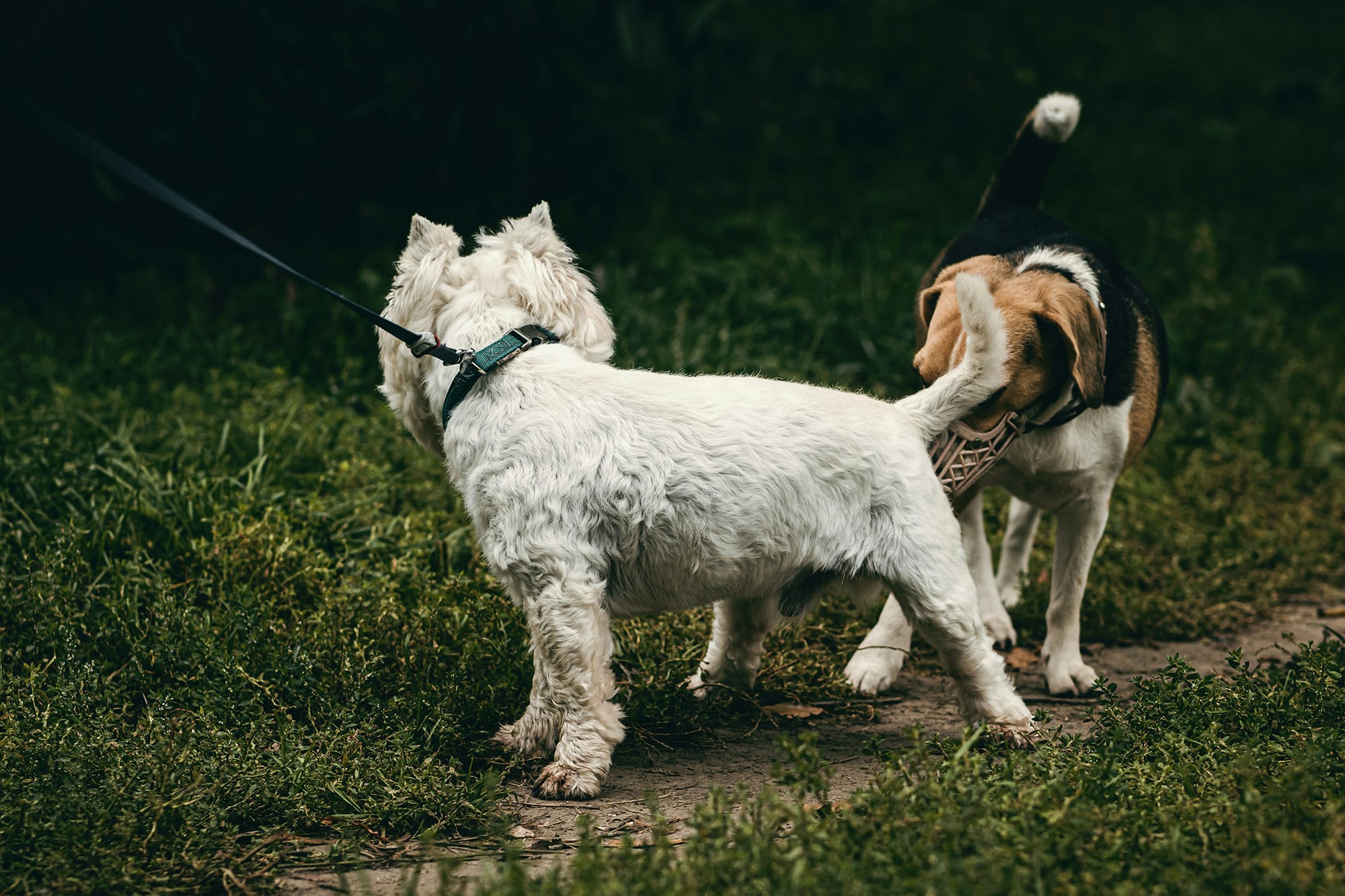
Dog humping, also known as mounting or rutting, is a behavior that many dog owners find puzzling or embarrassing. Despite its common occurrence, the reasons behind this behavior are varied and complex, extending beyond mere sexual activity. Understanding why dogs hump can help owners respond appropriately and manage the behavior effectively.
According to the article “Why Is My Dog Humping or Mounting?” by the American Kennel Club, humping is a natural canine behavior that can be triggered by a variety of factors. While it is often associated with sexual activity, especially in unneutered males, the AKC explains that dogs may hump for reasons unrelated to reproduction. For instance, humping can be a form of play, a way to release excess energy, or a response to excitement or stress. The article emphasizes that this behavior is not always sexual and can be observed in both male and female dogs of all ages.
PetMD’s article “Why Do Dogs Hump?” by Dr. Jennifer Coates further elaborates on the multifaceted nature of this behavior. Dr. Coates points out that humping can serve as a social signal or a way for dogs to assert dominance. In some cases, dogs hump to communicate their status within a group or to establish control over another dog or even a human. This dominance-related humping is more about social hierarchy than sexual intent. Additionally, PetMD highlights that humping can be a displacement behavior, meaning dogs may hump when they feel anxious, frustrated, or overstimulated. This insight helps owners recognize that humping might indicate an underlying emotional state rather than a simple habit.
The ASPCA article “Mounting and Masturbation” by the ASPCA staff adds another layer of understanding by discussing the role of humping in self-soothing and stress relief. The ASPCA explains that dogs may hump objects, people, or themselves as a way to cope with anxiety or boredom. This behavior can become compulsive if the dog is left alone for long periods or lacks sufficient mental and physical stimulation. The article advises that addressing the root causes of stress and providing enrichment activities can reduce excessive humping. This perspective underscores the importance of considering the dog’s emotional well-being when dealing with mounting behavior.

One common misconception is that humping is always a sign of sexual desire. While intact male dogs may hump more frequently due to hormonal influences, neutered dogs and females also exhibit this behavior. The AKC article clarifies that neutering can reduce but not entirely eliminate humping, as the behavior is not solely driven by hormones. This means that even spayed or neutered dogs may hump during play or when excited. Understanding this helps owners avoid misinterpreting the behavior and responding with unnecessary punishment.
In addition to social and emotional reasons, humping can also be a learned behavior or a way to seek attention. The AKC notes that some dogs learn that humping gets a reaction from their owners, whether positive or negative, and may repeat the behavior to gain attention. This can create a cycle where the dog humps more frequently because it has learned that the behavior is effective in eliciting a response. PetMD supports this by suggesting that consistent training and redirection can help break this cycle. Teaching the dog alternative behaviors and rewarding calm, non-humping actions can be effective strategies.
The ASPCA article also discusses the importance of distinguishing between normal humping and problematic or compulsive humping. Normal humping is occasional and context-dependent, such as during play or excitement. However, when humping becomes excessive, persistent, or directed at inappropriate targets, it may indicate a behavioral issue that requires intervention. The ASPCA recommends consulting a veterinarian or a professional dog trainer if the behavior escalates or causes distress to the dog or others. This professional guidance can help identify underlying medical or psychological conditions contributing to the behavior.
Managing dog humping involves a combination of understanding, training, and environmental management. According to the AKC, redirecting the dog’s attention when it begins to hump is a practical first step. Owners can use commands like “sit” or “leave it” to interrupt the behavior and then reward the dog for compliance. Providing ample exercise and mental stimulation is also crucial, as a tired dog is less likely to engage in unwanted behaviors. PetMD emphasizes the role of structured play and interactive toys in keeping dogs engaged and reducing boredom-induced humping.

The ASPCA highlights that preventing access to objects or situations that trigger humping can be helpful. For example, if a dog humps furniture or pillows, removing or covering these items may reduce the behavior. Additionally, teaching the dog appropriate social interactions and boundaries with other dogs and people can minimize dominance-related humping. Positive reinforcement training methods are preferred to ensure the dog learns acceptable behaviors without fear or anxiety.
It is also important to consider the dog’s health when addressing humping. The AKC advises that sometimes humping can be a sign of medical issues such as urinary tract infections, skin allergies, or hormonal imbalances. If the behavior appears suddenly or is accompanied by other symptoms, a veterinary check-up is warranted. This medical perspective ensures that owners do not overlook potential health problems that could be causing discomfort or irritation.
In summary, dog humping or mounting is a natural and multifaceted behavior that can stem from sexual, social, emotional, or medical causes. The American Kennel Club’s article provides a foundational understanding that humping is not exclusively sexual and can be a form of play or excitement. PetMD’s article by Dr. Jennifer Coates expands on the social and emotional dimensions, highlighting dominance and anxiety as key factors. The ASPCA’s article emphasizes the role of stress relief and compulsive behavior, offering practical advice for management and intervention.
By recognizing the diverse reasons behind humping, dog owners can respond with empathy and effective strategies rather than frustration or punishment. Redirecting attention, providing sufficient exercise, addressing emotional needs, and consulting professionals when necessary are all part of a comprehensive approach to managing this behavior. Ultimately, understanding dog humping enriches the human-canine relationship and promotes a happier, healthier life for both dogs and their owners.
About the Author: Mariana Burgos is a freelance artist, writer, and tutor. She has been a solo parent for 19 years now because she is the wife of Jonas Burgos, a Filipino desaparecido. She and her daughter are animal lovers and are active in advocating not only human rights but the rights of animals as well.
If you liked what you just read and want more of Our Brew, subscribe to get notified. Just enter your email below.
Related Posts
Rabies and Anti-Rabies Vaccinations: A Historical and Contemporary Perspective with Focus on the Philippines - Part II
Aug 27, 2026
Rabies and Anti-Rabies Vaccinations: A Historical and Contemporary Perspective with Focus on the Philippines - Part I
Aug 24, 2026
Understanding Dog Snoring
Aug 22, 2026