


By Vincent R. Pozon
The two men who have most recently worn the title, Ding Liren of China and Gukesh Dommaraju of India, collapsed after reaching the top, and that is after thousands of games, after investing years in bettering themselves, after rigorous tournaments, in a game that demands the most precious of human faculties.
They are not alone in history
Wilhelm Steinitz, the first official world champion, broke down after losing the title and ended his days in a sanatorium. Bobby Fischer won in 1972 and vanished into paranoia, never to play a serious game again. Paul Morphy, the nineteenth-century American prodigy who dominated everyone he faced, walked away from chess and spent the rest of his life in mental ruin. There are others, the bothered and afflicted.

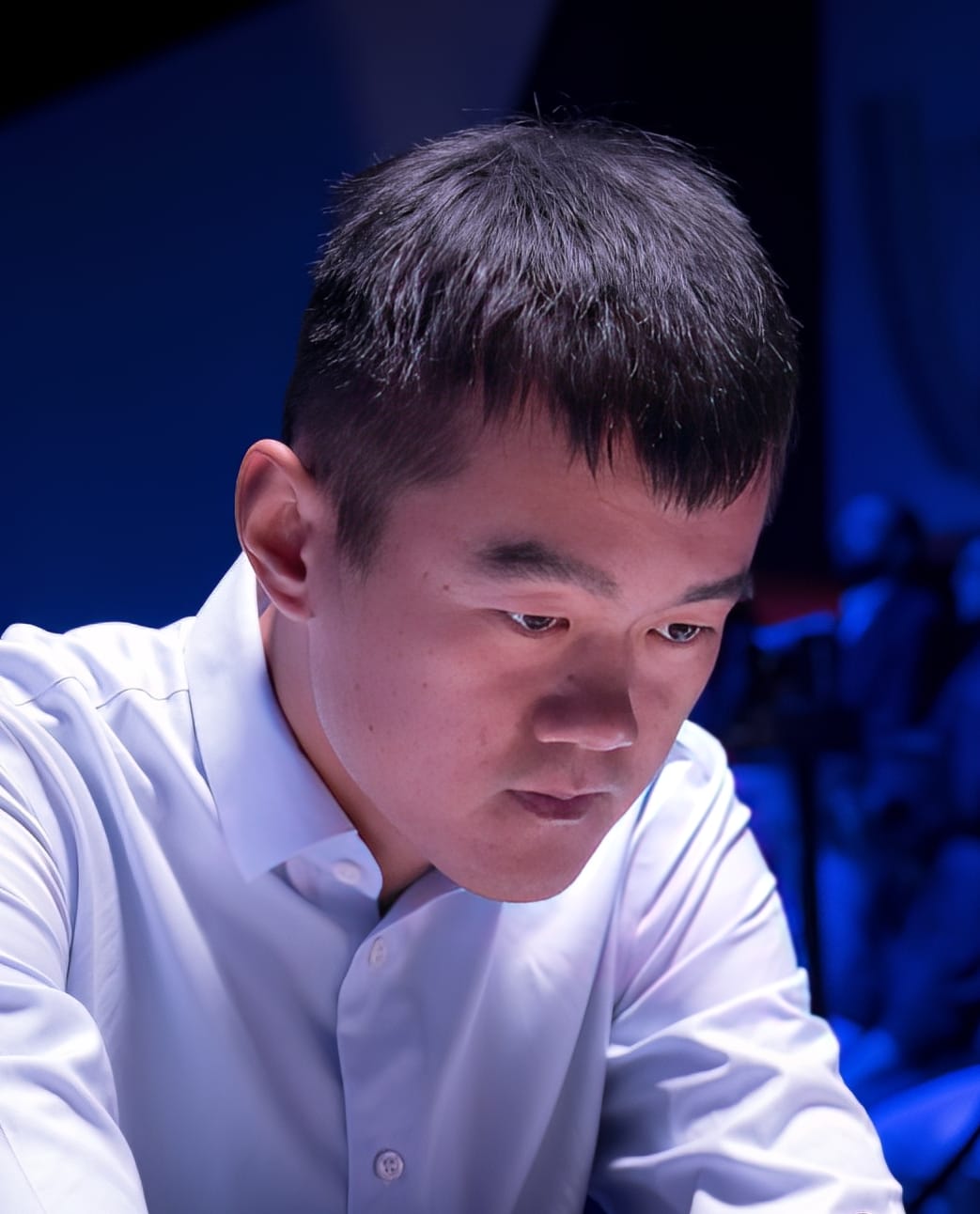
CURRENT WORLD CHAMPION Gukesh Dommaraju; Ding Liren former world champion.
Ding Liren won the World Chess Championship in April 2023, defeating Ian Nepomniachtchi in a match that carried an unusual burden. Suddenly China had a world champion in the king's game, a pursuit that relies on calculation, patience, and mental precision. Asia had arrived at the pinnacle of an intellectual tradition long dominated by Europeans and Russians. We applauded the victory, hoped for more for the young man.
"I WAS all the time hoping that he would come back into shape because it's been more than a year now". - Sagar Shah, Indian chess player, journalist, commentator.
What followed was painful to witness
His demeanor over the board told its own story before the results did. He would heave visibly, jittery, looking unsure of himself, a man seemingly besieged by the pieces on the board. His last classical rating was 2734, and in recent FIDE rating lists, Ding has not appeared at all, absent from competition, absent from the conversation.
In December 2024, he lost the title to Gukesh Dommaraju, an Indian grandmaster who was eighteen years old at the time, the in history.
Gukesh was a sight to behold. Well-dressed, eyes shut, deep in meditation before every single game.
Unfortunately, whatever had broken Ding was riding on the crown
By October 2025, Gukesh had fallen out of the top ten in the FIDE world rankings. At the FIDE Grand Swiss tournament in Uzbekistan, he finished 41st out of 116 players, losing 43 rating points from his peak of 2794. The decline continued into 2026. At the 8th Prague International Chess Festival in March, he finished tied for last place in a field of ten, his only win coming in the final round.
"THINGS WERE incrementally getting worse. The world champion had struggled to compete at multiple events he would have otherwise dominated."
But the question persists: why? Instead of improving after reaching the summit, why the dramatic decline? With Ding and Gukesh, here are three reasons worth examining.
The first reason is the long shadow of Magnus Carlsen, who chose to relinquish his crown rather than defend it. That fact does not diminish Ding and Gukesh's achievement, but it dims it slightly in the eyes of a chess world that remembers what the crown looked like when Carlsen wore it. To inherit a throne the greatest living player chose to vacate is its own particular burden.
THERE'S A NAME FOR IT: Post-Achievement Depression
The second reason is the weight of national expectation. Ding Liren was the first Chinese world champion in the classical game. Gukesh was not the first Indian to hold the title. Viswanathan Anand, five times world champion, preceded the wave he may have helped inspire. Gukesh is the harvest of a generation, the proof that India has become what the Soviet Union once was, a breeding ground for chess royalty.
The Soviet years of Botvinnik, Tal, Petrosian, Spassky, Karpov, and Kasparov ran for more than half a century. Indian names now crowd the upper tier; Gukesh, Praggnanandhaa, Erigaisi and others jostle one another in a country that has made chess a national ambition.
Gukesh carries the adoration of more than a billion people. It is a special burden: the awareness that an entire people has placed its pride inside your head, the same space where you must calculate fifteen moves ahead.
USUALLY SERENE, Gukesh displays the jitters
This burden is not unique to chess. Alex Eala, after vanquishing players ranked far above her, falters under similar pressure. An entire country rides on the shoulders of a twenty-year-old, and many of her countrymen, rather than sustaining her, turn critical and demeaning when she does not win. The pattern is the same: the pioneer, adored and then adjudicated.
The third reason is what distinguishes chess from every other sport.
An athlete losing form is understood to be losing something physical: a step, an inch of range, the edge of youth. People will say "the legs went", "the arm is gone". The decline is forgivable.
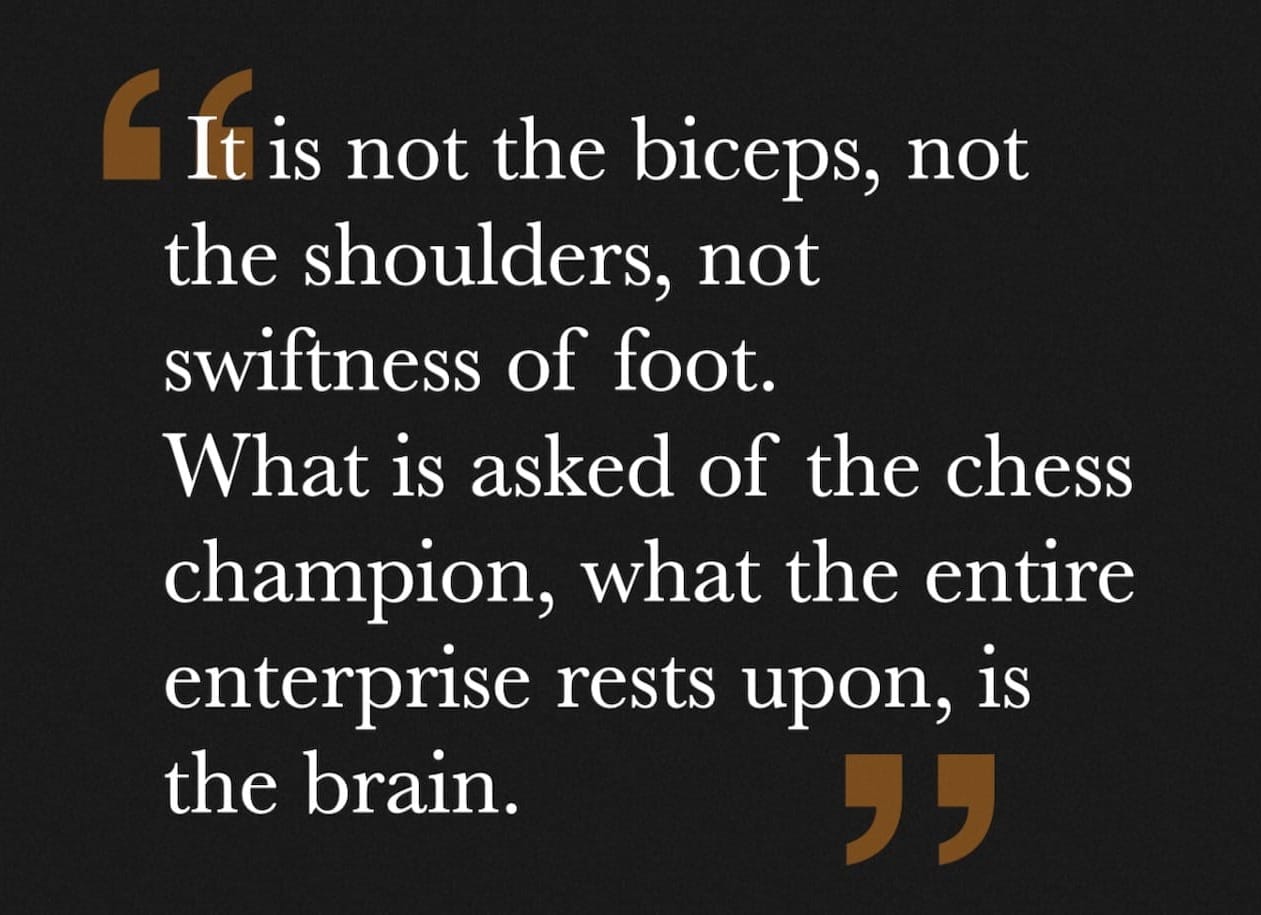
A chess player has almost no such refuge. There is one concession the game makes to age: veteran grandmasters will tell you they slow down, that the calculation quickens beyond their reach in rapid and blitz formats, that the clock becomes an adversary itself. But in the classical game, the long game, the game that confers the title, what is asked is not speed. What is asked, what the entire enterprise rests upon, is the brain. That organ, the instrument of reason and imagination, upon which civilization itself relies, upon which science, art, law, and language all depend.
THE PAINFUL SIDE of a mental game
A chess champion is, by definition, the man whose brain has been certified superior to all others.
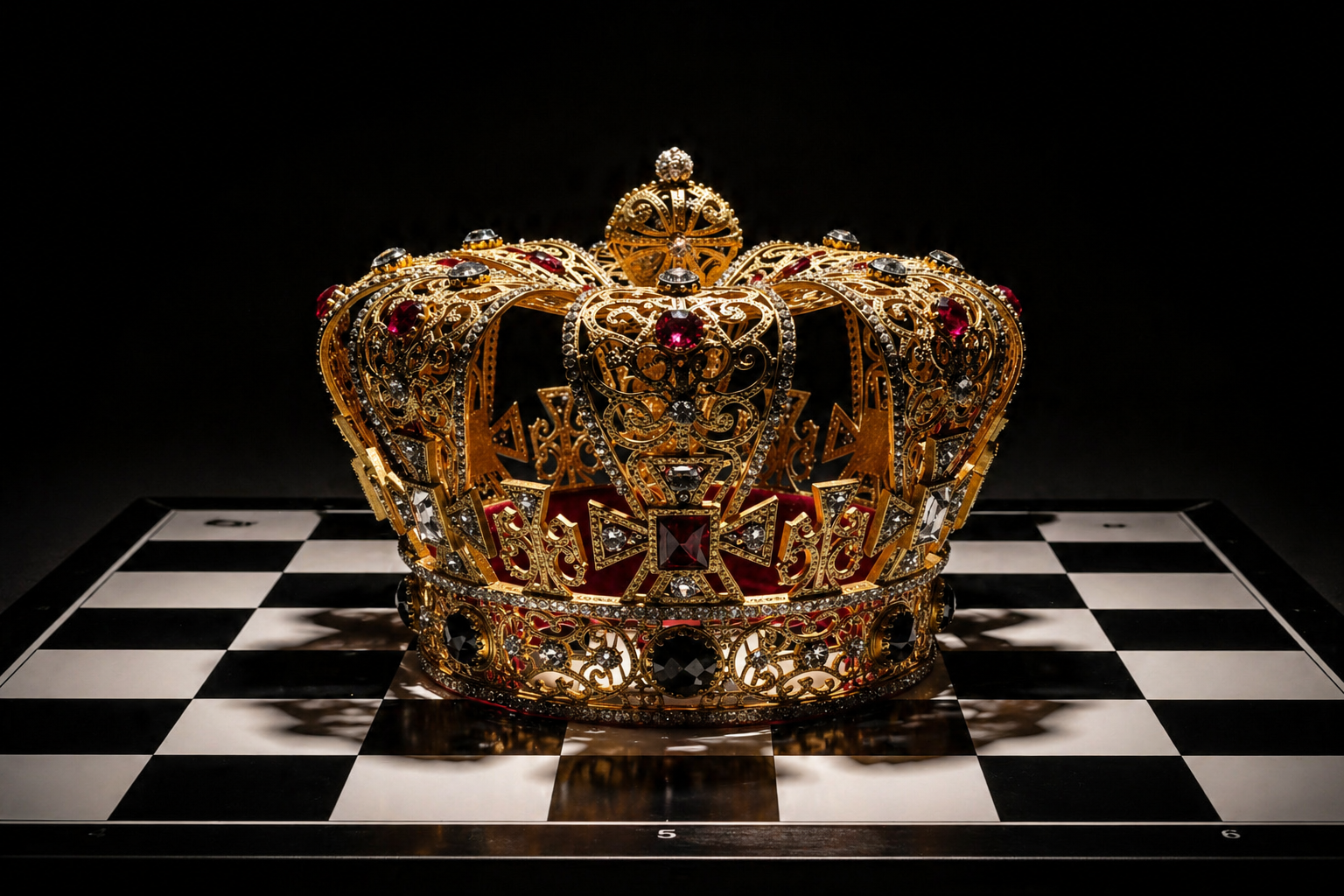
Heavy lies the crown in the game that reflects genius. It lies heaviest on those who won it first, for a people who had been waiting.
If you liked what you just read and want more of Our Brew, subscribe to get notified. Just enter your email below.
Related Posts
When Stupidity Becomes Virtue
Sep 01, 2026
Elections 2028: Shady Characters Have Hijacked the Flood Control Issue
Aug 18, 2026
Asymmetrical Warfare: Who’s Still Afraid of the Big, Bad Wolf?
Aug 10, 2026