

By Niko Gabriel Salgado
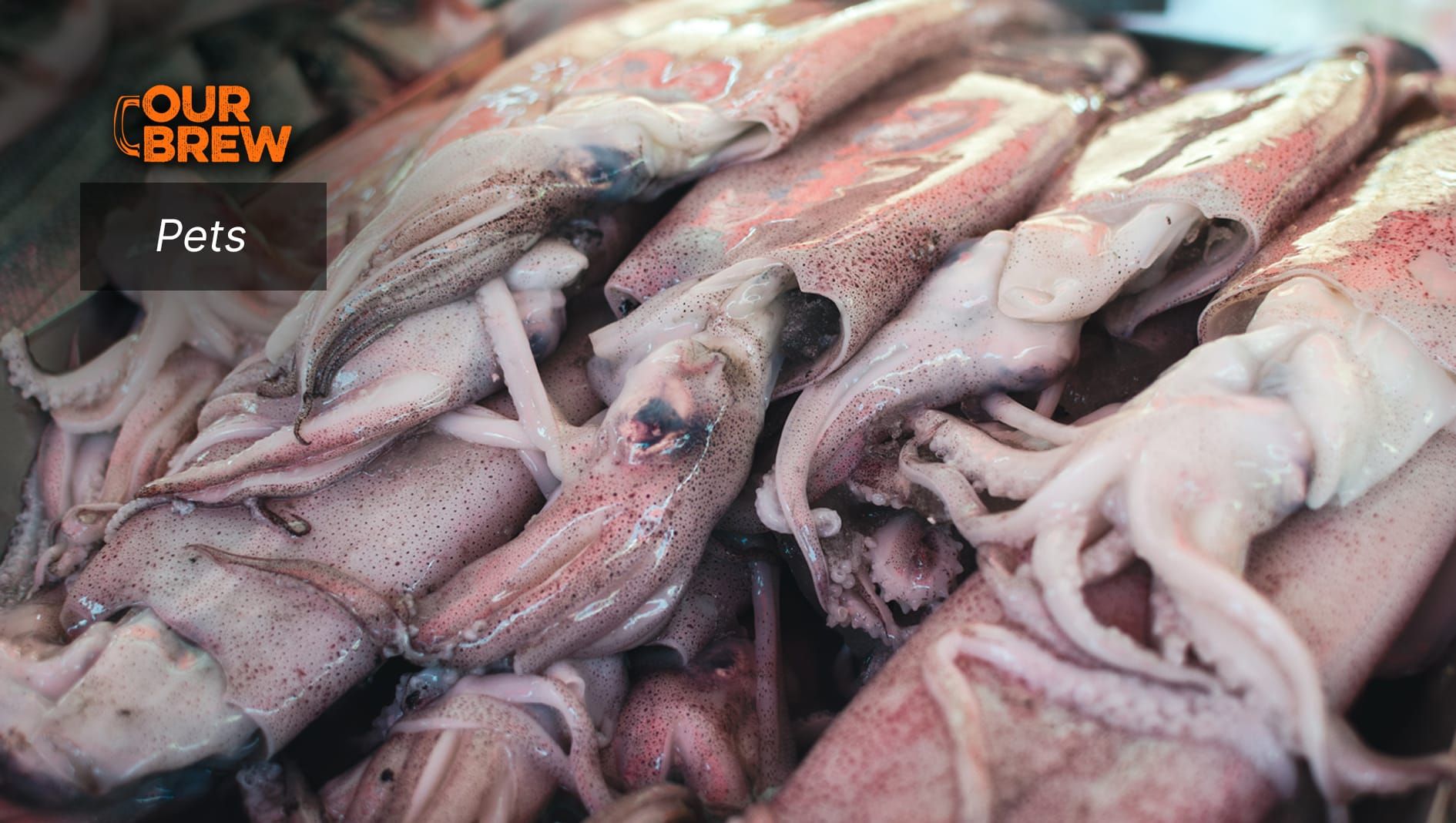
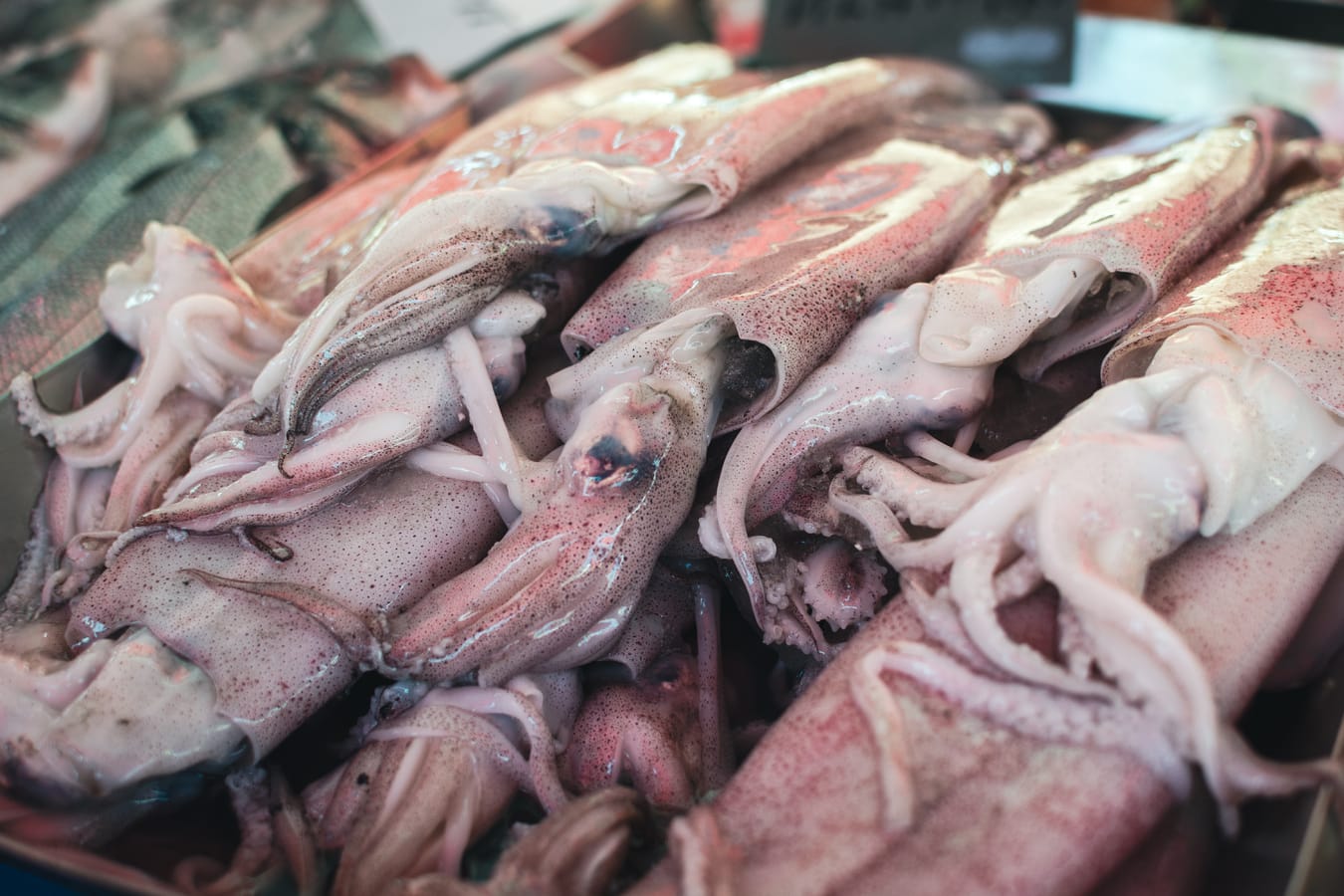
Cats are known for loving seafood flavors, and pet owners may wonder if squid is a safe treat for their feline companions. The good news is that squid can be safe for cats when prepared properly and served in moderation. However, there are also a few risks and important guidelines every cat owner should know before sharing this seafood snack.
Can Cats Eat Squid?
Yes, cats can eat squid. Squid is rich in protein, vitamins, and minerals that may benefit your cat’s overall health. Since cats are obligate carnivores, animal-based proteins are an important part of their diet, and squid can provide a tasty alternative to traditional meats like chicken or fish.
According to Dr. Emily Carter in “Can Cats Eat Squid?” published in the pet care site Whisker Daily Pets, “Seafood like squid is nutritional and can be an enjoyable occasional treat for cats when served without oils, spices, or seasonings.”

Nutritional Benefits of Squid
Squid contains several nutrients that may support your cat’s health.
· High in Protein
· Contains Omega-3 Fatty Acids
· Rich in Vitamins and Minerals
Squid contains nutrients such as:
Vitamin B12
Selenium
Copper
Zinc
Phosphorus
These nutrients support immune function and overall wellness in cats.
Dr. Emily Carter says, “Small amounts of cooked squid can provide cats with additional protein and trace minerals that support healthy body function.”
Risks of Feeding Squid
Even though squid can be safe, there are still risks to keep in mind.
· Raw Squid May Contain Harmful Bacteria
· Seasonings and Oils Are Unsafe
· Choking Hazard
How to Safely Prepare Squid for Cats
If you want to let your cat try squid, preparation is very important.
· Choose Plain Squid
· Cook It Thoroughly
· Serve Small Portions
Squid should only be an occasional treat, not a meal replacement. Too much seafood may upset your cat’s stomach or create nutritional imbalance.
A few bite-sized pieces once in a while is enough.
Dr. Carter explains, “Treats like squid should make up only a small percentage of a cat’s diet. Balance is still the key to long-term feline health.”

Can Kittens Eat Squid?
Kittens can technically eat small amounts of cooked squid, but extra caution is necessary. Young cats have sensitive digestive systems, and introducing new food too quickly may cause diarrhea or vomiting.
It is usually better to stick with veterinarian-approved kitten food during the early growth stages. If you do offer squid, keep the amount tiny and monitor for any reactions.
Signs Your Cat May Not Tolerate Squid
Not every cat reacts to new food the same way. Some cats may have seafood sensitivities or digestive issues after eating squid.
Watch for symptoms such as:
Vomiting
Diarrhea
Loss of appetite
Excessive scratching
Swelling around the face
If any of these symptoms appear, stop feeding squid and contact a veterinarian if symptoms continue.
Is Squid Better Than Other Seafood for Cats?
Squid is not necessarily better than fish like salmon or tuna, but it can be a good alternative treat. Compared to some fish, squid is lower in mercury, which may make it a safer occasional seafood option.
However, cats still benefit most from balanced commercial cat food designed specifically for their nutritional needs.
Seafood treats should always remain supplemental rather than becoming a major part of the diet.
Dr. Emily Carter also notes, “Pet owners should think of squid as a special snack instead of a dietary staple for cats.”
This article also appears in the Manila Standard
About the Author: Niko Gabriel Salgado is a graduate of consular and diplomatic affairs from De La Salle College of Saint Benilde, and worked at the House of Representatives. He is now an entrepreneur and a volunteer of the animal welfare group Save Animals of Love and Light- Save ALL.
If you liked what you just read and want more of Our Brew, subscribe to get notified. Just enter your email below.
Related Posts
Rabies and Anti-Rabies Vaccinations: A Historical and Contemporary Perspective with Focus on the Philippines - Part II
Aug 27, 2026
Rabies and Anti-Rabies Vaccinations: A Historical and Contemporary Perspective with Focus on the Philippines - Part I
Aug 24, 2026
Understanding Dog Snoring
Aug 22, 2026