

by Vincent R. Pozon
What struck me as strange, in the terrible aftermath of the Ateneo athletes’ deaths, was learning that there were athletes — young, strong, conditioned men — who apparently did not know how to swim. Did I just come from a time where everybody was taught to swim?
Perhaps this is the generational question. In my youth, it seemed rare to meet people who did not know how to swim. I do not mean that everyone swam beautifully, or that everyone was trained. Many of us thrashed, paddled, flailed, langoy aso, and survived. But some basic competence in water seemed part of growing up, especially in a country made of islands, beaches, rivers, floods.
There were non-swimmers in the ocean, having to deal with a rip current, doing whatever they were doing there.
I am not here to add to the weight already on the story. The resignations have come. The cases will follow. I watched university officials try to hold back tears on air, and I have no wish to crowd that grief with my own commentary; it is theirs to carry, and the families’ grief is heavier still. What I want to sit with is smaller and older than the controversy, and it has nothing to do with blame.
It is this: in my freshman year in UP Diliman, I had to pass swimming. A classmate who remembers the period better than I do recalls it the same way: a mandatory PE II, one semester, once a week. “Pasang-awa lang ako,” he said, which is almost exactly how I remember my own performance.
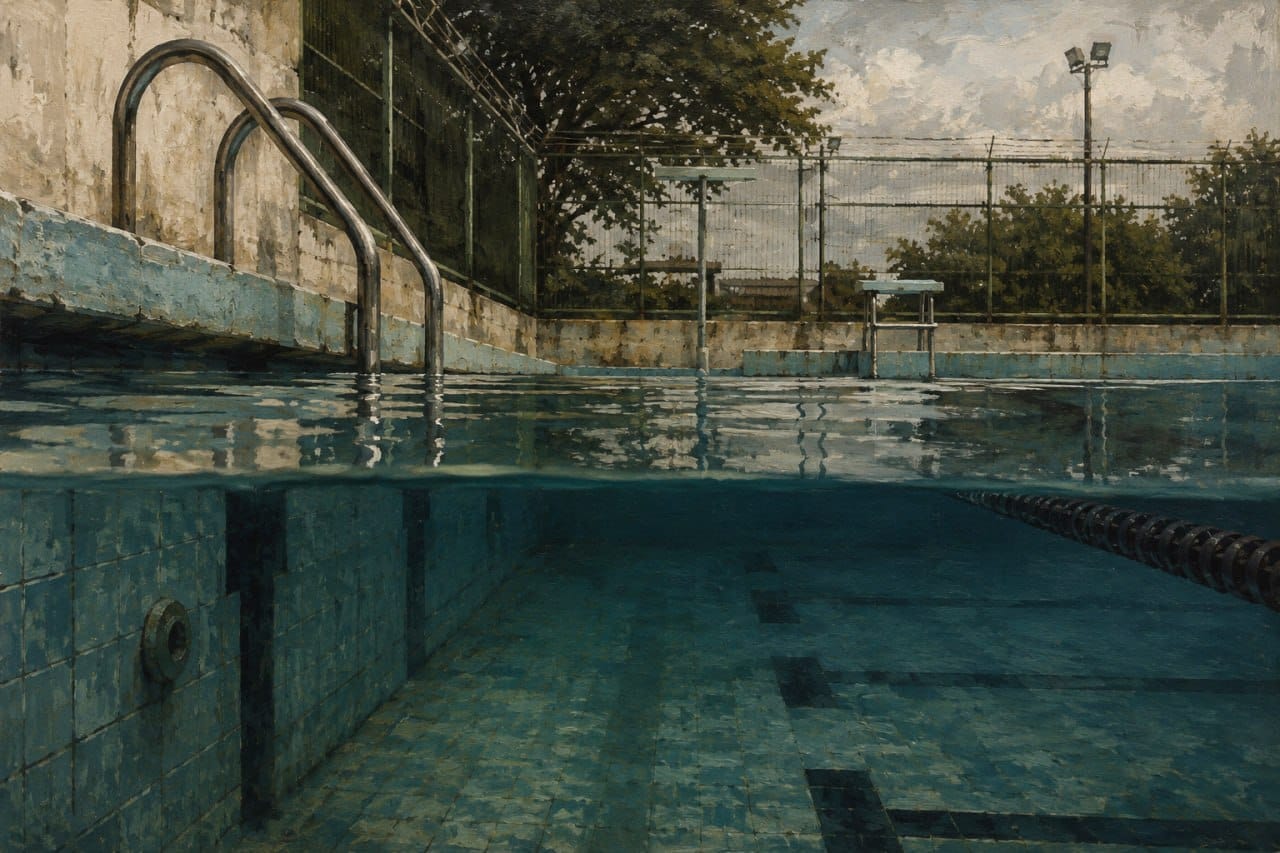
The pool did not always look like something you wanted to enter, but you had to enter it. I remember barely passing, doing only two laps, gasping on the third, which was where the teacher waved his hand and said something to the effect of, 'Sige na, sige na.'"
Not great. But enough.
It was a floor. The man was not certifying me as an athlete. He was making sure that if I ever found myself in water over my head, I might have a better chance of surviving.
There is a particular cruelty in the fact that these were athletes. We look at the conditioned body and assume a general competence.
That is the entirety of my wonder: that a thing once treated as a minimum, at least in the world I remember, became a skill no longer expected, and that the change was so gradual, through decades, that nobody noticed it had happened until the sea presented the bill in lives.
If you liked what you just read and want more of Our Brew, subscribe to get notified. Just enter your email below.
Related Posts
When Stupidity Becomes Virtue
Sep 01, 2026
Elections 2028: Shady Characters Have Hijacked the Flood Control Issue
Aug 18, 2026
Asymmetrical Warfare: Who’s Still Afraid of the Big, Bad Wolf?
Aug 10, 2026