

By Mariana Burgos
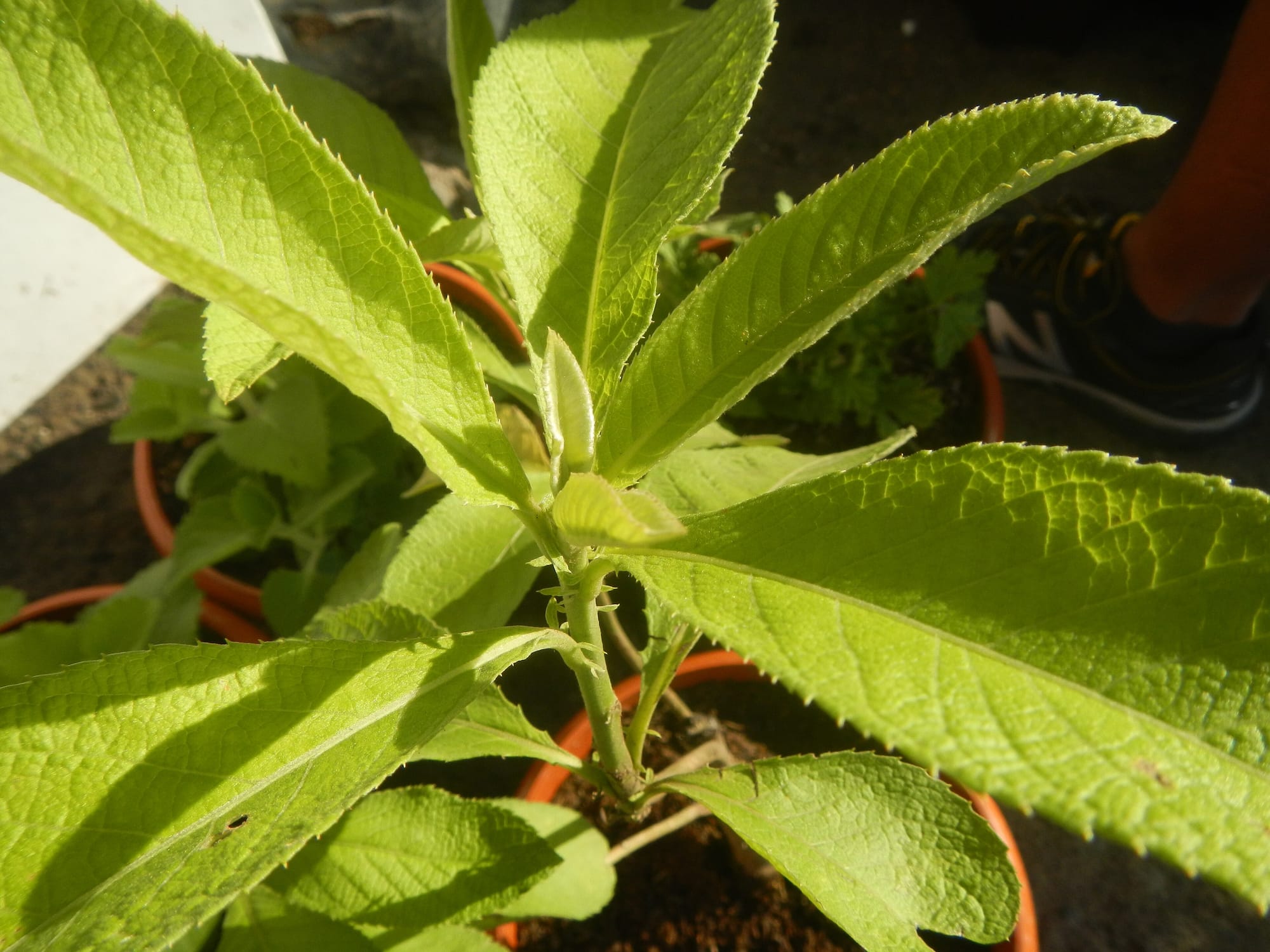
Sambong is a traditional herb widely used in the Philippines for its medicinal properties. It is used to treat ailments such as kidney stones, urinary tract infection, and inflammation in humans. However, as pet owners increasingly explore natural remedies for their furry companions, questions arise about the safety and efficacy of sambong for cats and dogs.
Sambong’s medicinal use in humans is well-documented, especially for its diuretic and anti-inflammatory effects. In the article “Influence of Sambong (Blumea Balsamifera) Leaves on Cystitis and Amorphous Urates Causing Feline Lower Urinary Tract Disease” published on ResearchGate, by researchers notes that sambong leaves have shown promising effects in managing feline lower urinary tract disease (FLUTD). This condition is common in cats and involves inflammation and infection of the urinary tract. This often leads to discomfort and difficulty in urination. The study adds that sambong’s natural compounds may help reduce inflammation and dissolve amorphous urates, which are crystals that contribute to urinary tract issues in cats. This suggests that sambong could be a beneficial herbal supplement for cats suffering from urinary tract problems.
Further supporting this, the article “Influence of Sambong (Blumea balsamifera) Leaves” from ResearchersLinks discusses the herb’s pharmacological properties, emphasizing its anti-inflammatory, diuretic, and antimicrobial effects. These properties are crucial in treating urinary tract infections and kidney-related issues, which are common in both cats and dogs. The article notes that sambong’s natural diuretic action helps flush out toxins and crystals from the urinary system, potentially preventing the formation of stones and infections. This makes sambong a candidate for complementary therapy in pets with urinary tract concerns.
However, while these studies indicate potential benefits, safety remains a paramount concern. According to the Philippine Council for Health Research and Development (PCHRD) article on sambong, the herb is generally safe for human use when taken in appropriate doses. Yet, the article cautions that there is limited scientific data on its safety profile specifically for animals, including cats and dogs. This gap in research means pet owners should exercise caution and consult veterinarians before administering sambong to their pets.
Anecdotal evidence from pet owners also provides insight into sambong’s use in animals. On a Reddit thread titled “Sambong for Cats,” users shared personal experiences of using sambong to treat their cats’ urinary issues. Many reported improvements in their pets’ symptoms, such as reduced straining during urination and decreased frequency of urinary tract infections. However, some users also warned about potential side effects like gastrointestinal upset, emphasizing the need for careful dosing and veterinary supervision. These firsthand accounts, while not scientifically rigorous, offer valuable perspectives on the practical use of sambong in pets.
When considering sambong for dogs, the evidence is less direct but still relevant. Dogs, like cats, can suffer from urinary tract infections and kidney stones, and the herb’s diuretic and anti-inflammatory properties could theoretically benefit them as well. However, the lack of specific studies on dogs means that any use of sambong should be approached with caution.

The TikTok video titled “Sambong Capsule for Cats: UTI Treatment” mentions that sambong is generally safe for both cats and dogs but advises against its use in pregnant or nursing animals and those with pre-existing health conditions. This precaution underscores the importance of professional guidance when introducing herbal supplements to pets.
In terms of dosage and administration, the referenced articles and user reports suggest that sambong is typically given in the form of dried leaves brewed into a tea or as capsules. For pets, especially cats, the herb is often administered in small, controlled amounts to avoid toxicity or adverse reactions. The PCHRD recommends that any herbal treatment, including sambong, should be part of a broader treatment plan overseen by a veterinarian to ensure safety and effectiveness.
It is also important to consider potential interactions between sambong and conventional medications. As the herb has diuretic and antimicrobial properties, it could interact with drugs prescribed for urinary tract infections or other conditions. According to the research articles, no significant adverse interactions have been documented yet, but the limited scope of animal-specific studies means that caution is warranted.
Sambong shows promising potential as a natural remedy for urinary tract issues in cats and possibly dogs, thanks to its anti-inflammatory, diuretic, and antimicrobial properties. The research article “Influence of Sambong (Blumea Balsamifera) Leaves on Cystitis and Amorphous Urates Causing Feline Lower Urinary Tract Disease” by the team on ResearchGate provides scientific backing for its use in feline urinary health, while anecdotal reports from pet owners reinforce these findings.
However, the PCHRD highlights the need for more comprehensive studies on sambong’s safety in animals. Until such data is available, pet owners should consult veterinarians before using sambong to treat their cats or dogs, ensuring that the herb is used safely and effectively as part of an integrated health care approach.
Based on the information gathered from the reference materials and additional sources used for this article, there are indeed some simple recipes and dosage guidelines offered for administering sambong to pets, particularly cats and dogs.
For dosage, please consult your vet.
A warning: Sambong should be given to dogs or cats who drink a lot of water and are given wet food aside from dry food as sambong makes the patient urinate a lot. The patient might get dehydrated which can lead to another medical concern.
In terms of simple recipes, there is a TikTok video titled “Healing Sambong Leaf Beef Stew Recipe” that demonstrates a straightforward way to prepare sambong leaves for consumption, albeit for humans. The recipe includes two cups of cleaned sambong leaves cooked with beef brisket, onion, garlic, tomatoes, and beef broth. While this recipe is not specifically for pets, it illustrates how sambong leaves can be incorporated into a stew, which could be adapted for pets with veterinary guidance.
Additionally, some pet owners have shared anecdotal advice on mixing sambong powder or capsules into pet food daily to support kidney and urinary health. This method is practical and easy to administer but should be done with attention to dosage and pet tolerance, and with guidance from avet.
This article also appears in the Manila Standard.
About the Author: Mariana Burgos is a freelance artist, writer, and tutor. She has been a solo parent for 19 years now because she is the wife of Jonas Burgos, a Filipino desaparecido. She and her daughter are animal lovers and are active in advocating not only human rights but the rights of animals as well.
If you liked what you just read and want more of Our Brew, subscribe to get notified. Just enter your email below.
Related Posts
Storytelling and Book-Giving Project Inspires Kids to Choose Kindness
Aug 11, 2026
The Role of Gut Microbiome Diversity in Enhancing Pet Health and Longevity
Jul 27, 2026
The Evolution of Pet Food
Jul 20, 2026