

By Mariana Burgos
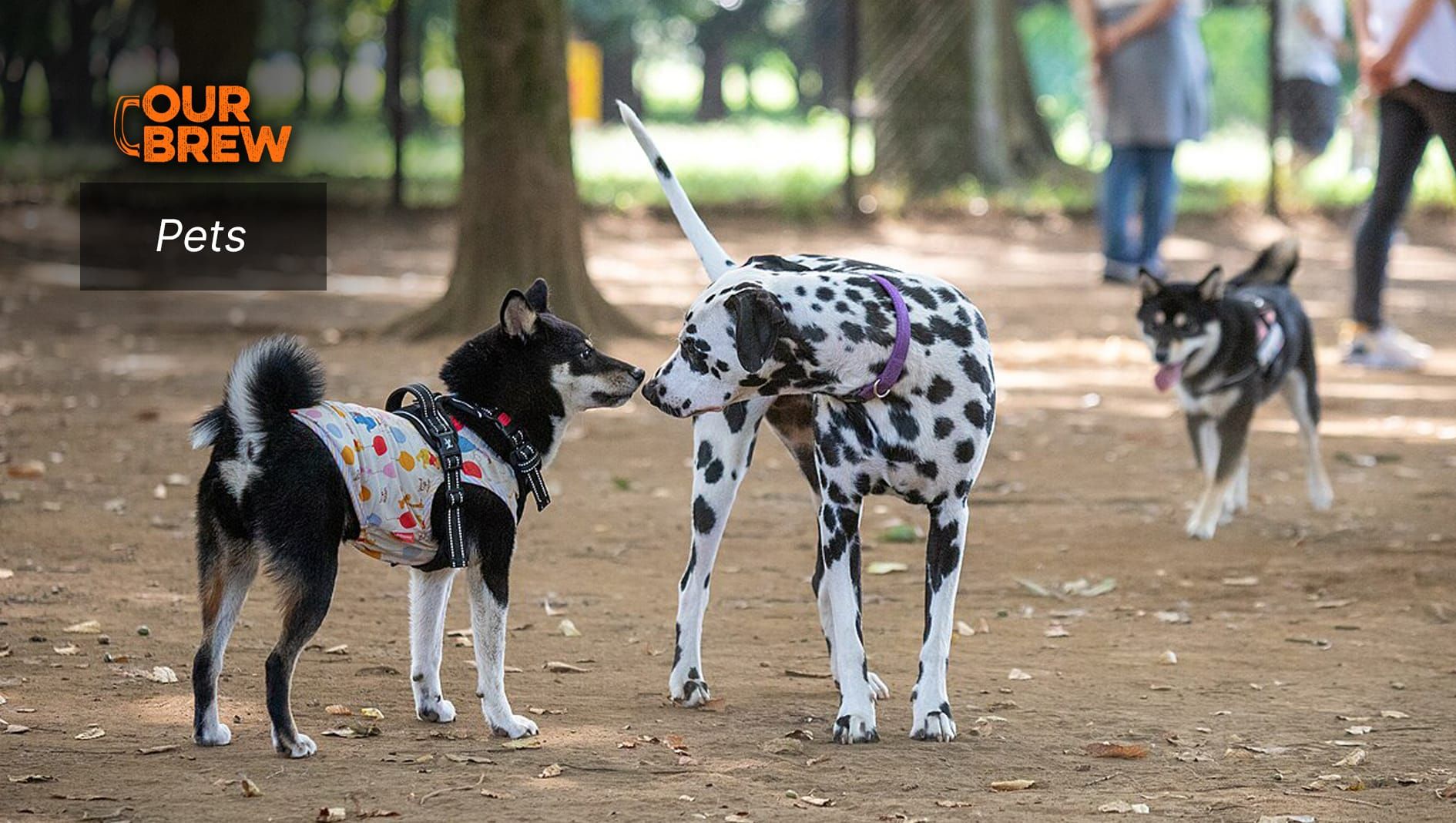
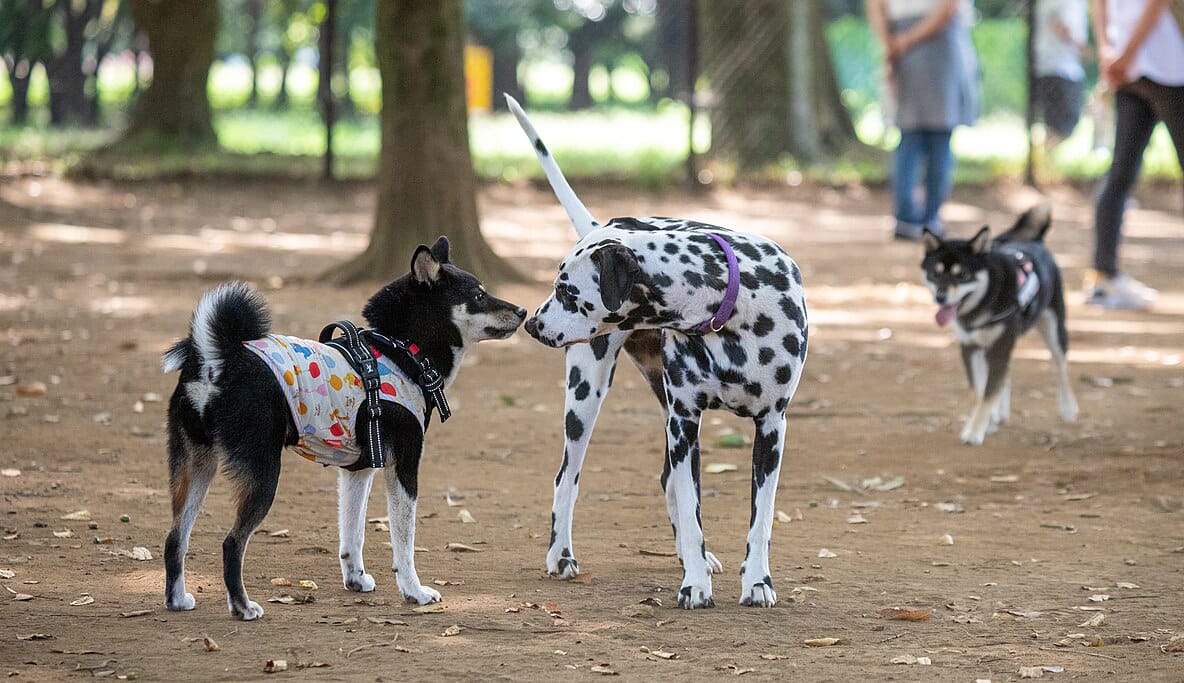
Dogs have a reputation for strange social habits, but few are as instantly recognizable as their tendency to sniff one another’s rear ends.
To people, the behavior can seem rude, awkward, or even funny. To dogs, however, it is one of the most important ways they gather information about the world and about each other. What looks like an odd greeting is actually a highly efficient form of canine communication, built around biology, instinct, and social learning.
The reason begins with a dog’s extraordinary sense of smell. According to the article “Why Do Dogs Sniff Each Other’s Butts?” by the American Kennel Club, a dog’s nose is far more powerful than a human’s, and sniffing is one of the main ways dogs explore their surroundings.
While humans rely heavily on sight and speech, dogs depend on scent to identify individuals, detect emotions, and understand what another animal has been doing. A rear-end sniff gives them access to scent glands in the anal area, which release chemical signals that carry a surprising amount of information. In other words, this brief moment of sniffing is not random curiosity; it is a detailed social profile delivered through scent.
That profile can reveal a great deal. According to the article “Why Dogs Sniff Rear Ends” by VCA Animal Hospitals, dogs may learn another dog’s sex, age, reproductive status, and even hints about its overall health through scent. The information is stored in natural chemical markers that come from the body, especially the anal sacs and surrounding skin. Dogs are able to interpret these signals with remarkable precision. For them, meeting another dog is not complete until they have exchanged this scent information. It is the canine equivalent of asking, “Who are you, how are you feeling, and what have you been up to?”

This behavior also helps explain why dogs often circle one another before or during the sniff. It is not simply a random habit. Dogs are trying to position themselves so they can get the best possible read on the other animal’s scent. According to the article “Why dogs sniff each other’s butts and circle when they meet” by DOGKING, the behavior is a natural part of how dogs recognize each other and socialize.
The circling can help them gather more scent from different angles and confirm the identity of the other dog. In this sense, the ritual is both practical and instinctive, shaped by generations of canine evolution.
Another important point is that butt sniffing is not necessarily about dominance, despite what many people assume. In everyday conversation, people often describe the action as a power move, but that oversimplifies what is happening. Dogs are usually not trying to intimidate each other; they are exchanging information. The greeting may help them decide whether another dog is friendly, nervous, excited, or uninterested in interaction. That knowledge can prevent conflict before it starts. A successful sniffing exchange may allow two dogs to proceed into play, while a less comfortable reaction may prompt one or both dogs to back away.
The behavior is also deeply social. Dogs are pack animals by nature, and social bonding has always mattered to them. Sniffing is part of how dogs establish familiarity and trust. When two dogs meet and allow this ritual to happen, they are participating in a communication process that is as normal to them as a handshake is to humans. It may seem awkward from our perspective, but to dogs it is polite, expected, and efficient. Refusing to sniff another dog might actually be more unusual in canine terms than doing it.
Owners often wonder whether they should stop this behavior. In most cases, the answer is no. As long as both dogs are calm and comfortable, butt sniffing is a normal social interaction that should not be interrupted.

Of course, supervision is still important. If one dog appears tense, aggressive, or overly persistent, owners should step in to redirect the interaction. Not every meeting between dogs will go smoothly, and a respectful distance is sometimes the best way to let both animals feel safe. But when the behavior is mutual and relaxed, it is simply part of how dogs communicate.
Understanding this habit can also help people appreciate dogs more fully. Their world is not built around visual impressions in the way ours is. It is built around scent, memory, and subtle chemical signals that tell a story we cannot smell ourselves.
What looks silly to us is actually highly sophisticated. According to the American Kennel Club article by the same title, sniffing is one of the key ways dogs collect the data they need to interact with others. VCA Animal Hospitals reinforces that point by explaining how much information is contained in the scent of another dog’s rear end. Taken together, these sources show that the behavior is less about manners and more about biology.
In the end, dogs sniff other dogs’ rear ends because that is how they say hello, gather information, and navigate their social world. It is not a strange habit in their eyes; it is a vital one. The next time two dogs meet nose to tail, what you are seeing is not a bizarre act but a conversation written in scent. For dogs, that brief exchange can say everything from “I know you” to “I’m friendly” to “Here is who I am today.” It is a reminder that animals often communicate in ways that are invisible to us but perfectly clear to them.
This article also appears in the Manila Standard
About the Author: Mariana Burgos is a freelance artist, writer, and tutor. She has been a solo parent for 19 years now because she is the wife of Jonas Burgos, a Filipino desaparecido. She and her daughter are animal lovers and are active in advocating not only human rights but the rights of animals as well.
If you liked what you just read and want more of Our Brew, subscribe to get notified. Just enter your email below.
Related Posts
Compassion in Action: Encouraging Children to be Kind to Animals
Nov 13, 2026
A Second Serving: Waltermart Fuels Hope for Rescue Animals Once Again
Nov 05, 2026
When Pets Return in Spirit
Nov 03, 2026