

By Mariana Burgos
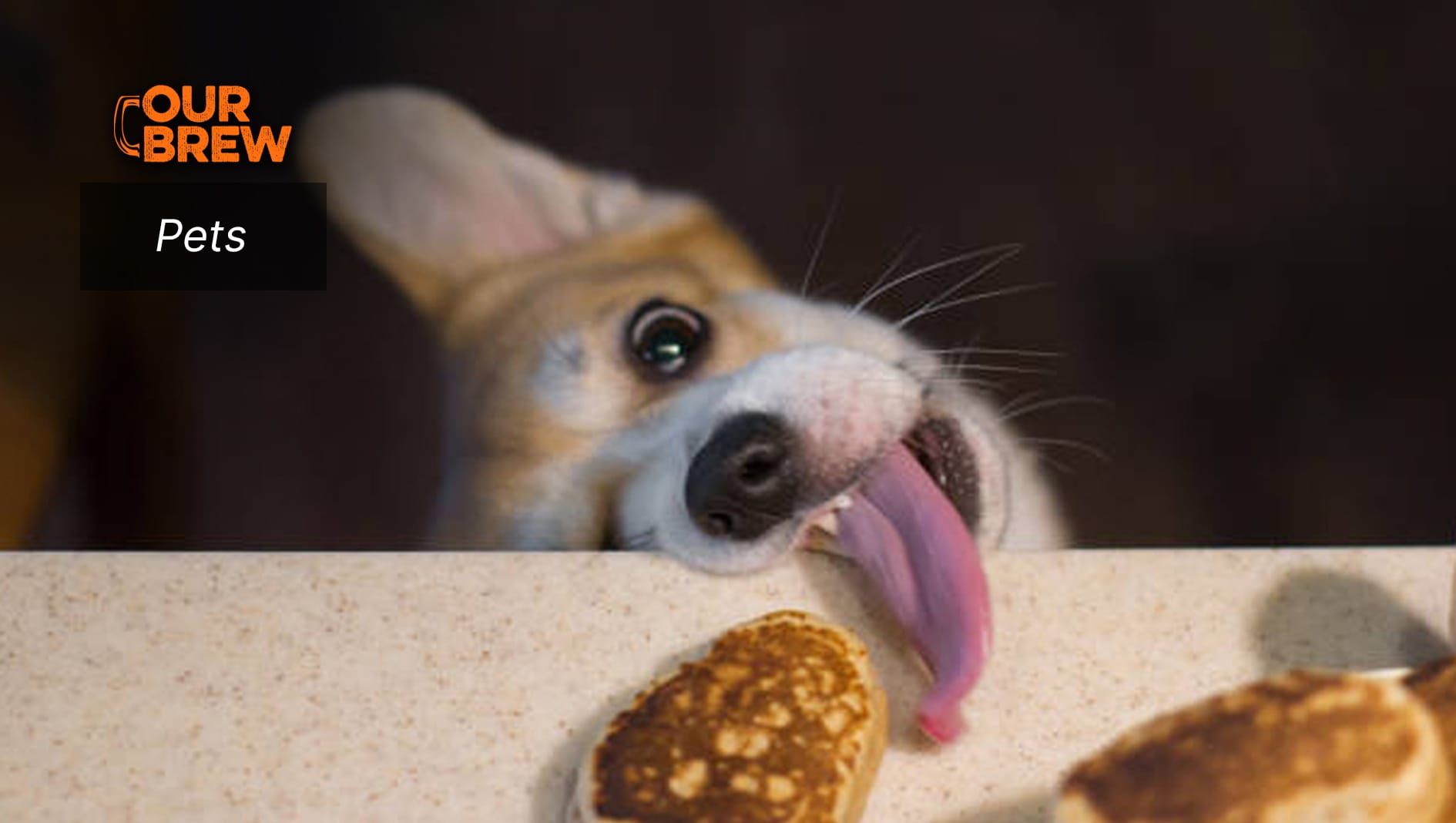
Feeding pets table scraps is a common practice among pet owners, often seen as a way to share love and treats with their furry companions. However, the question remains: are table scraps truly good for pets?
The answer is nuanced, involving considerations of nutrition, health risks, and behavioral impacts.
The Appeal of Table Scraps
Many pet owners find it hard to resist sharing their meals with their pets. The act of giving table scraps can strengthen the bond between owner and pet, providing a sense of inclusion and reward.
According to the article “Are Table Scraps Good, Bad, or Even Better Than Prepared Food?” by London Vet Clinic, occasional sharing of non-toxic human food can be acceptable as a rare treat. The key emphasis here is on moderation and ensuring that the food is safe for pets.
Nutritional Concerns
Despite the emotional appeal, table scraps often do not meet the nutritional needs of pets. Commercial pet food are formulated to provide balanced nutrition tailored to the species, age, and health status of the animal. Human food, on the other hand, can be unbalanced and may lack essential nutrients or contain excess fats, salts, and sugars.
The article “Why You Shouldn’t Let Your Dog Eat Table Scraps” by PetMD highlights that many table food are not only nutritionally inappropriate but can also disrupt a pet’s digestive system. For example, fatty food can lead to pancreatitis, a painful and
potentially life-threatening inflammation of the pancreas. Moreover, the extra calories from table scraps can contribute to obesity, a chronic condition that predisposes pets to diabetes, joint problems, and cardiovascular disease.

Toxicity Risks
One of the most critical reasons to avoid feeding pets table scraps is the risk of toxicity. Certain human food are toxic to pets even in small amounts. According to the article “FeedingTable Scraps: Do or
Don’t?” by Merck Animal Health USA, food such as chocolate, grapes, raisins, onions, garlic, and anything containing xylitol (a sugar substitute) can cause severe poisoning in dogs and cats. Symptoms can range from vomiting and diarrhea to seizures and organ failure.
The danger is compounded by the fact that many pet owners may not be aware of these toxic food or may inadvertently give them to their pets. The Merck article stresses that even food considered safe for humans can be harmful to pets due to differences in metabolism and physiology.
Behavioral Issues
Beyond health risks, feeding table scraps can also lead to undesirable behavioral problems. Pets may develop begging behaviors, becoming persistent and demanding during meal times. This can create stress for both the pet and the owner.
Furthermore, inconsistent feeding of table scraps can lead to picky eating habits, where pets refuse their regular balanced diet in favor of tastier human food.
The London Vet Clinic article points out that feeding table scraps regularly can undermine training and discipline, making it harder to manage pets’ behavior effectively. It also raises concerns about food guarding and aggression if pets become possessive over human food.

When Table Scraps Might Be Okay
While the general consensus among veterinarians is to avoid table scraps, there are exceptions when done carefully. According to the London Vet Clinic, offering small amounts of safe, plain food such as cooked lean meats, certain vegetables, or plain rice can be used as treats or training rewards. The key is to avoid seasoning, sauces, and any food that could be harmful.
PetMD also acknowledges that occasional, carefully chosen table scraps can be a way to add variety and enrichment to a pet’s diet, provided it does not replace their regular balanced food. The emphasis is on moderation and awareness of the ingredients.
Alternatives to Table Scraps
For pet owners who want to share food experiences with their pets without the risks, there are safer alternatives. Commercially available pet treats are formulated to be safe and nutritious.
Additionally, homemade pet treats made from pet-safe ingredients can be a rewarding way to bond without compromising health.
The Merck Animal Health USA article recommends consulting with a veterinarian before introducing any new food to a pet’s diet, including table scraps. This ensures that the treats are appropriate for the pet’s specific health needs and dietary restrictions.
A Balanced Approach
In summary, while the idea of sharing table scraps with pets is appealing and often well-intentioned, it carries significant risks that cannot be overlooked.
According to the article by PetMD, the potential for nutritional imbalance, toxicity, and health complications makes feeding table scraps generally inadvisable. The article from Merck Animal Health USA reinforces this by highlighting the dangers of toxic food and the importance of veterinary guidance.
However, as the London Vet Clinic article suggests, occasional, carefully selected table scraps can be acceptable as treats if done responsibly and sparingly. The key is to prioritize the pet’s health and well-being by avoiding harmful food, controlling portion sizes, and maintaining a balanced diet.
Ultimately, pet owners should weigh the emotional satisfaction of sharing food against the potential health consequences for their pets. Consulting with a veterinarian can provide personalized advice and help create a feeding plan that keeps pets healthy, happy, and safe.
By understanding the complexities of feeding table scraps, pet owners can make informed decisions that benefit their pets’ long-term health while still enjoying moments of shared joy and treats.
This article also appears in the Manila Standard
About the Author: Mariana Burgos is a freelance artist, writer, and tutor. She has been a solo parent for 19 years now because she is the wife of Jonas Burgos, a Filipino desaparecido. She and her daughter are animal lovers and are active in advocating not only human rights but the rights of animals as well.
If you liked what you just read and want more of Our Brew, subscribe to get notified. Just enter your email below.
Related Posts
Rabies and Anti-Rabies Vaccinations: A Historical and Contemporary Perspective with Focus on the Philippines - Part II
Aug 27, 2026
Rabies and Anti-Rabies Vaccinations: A Historical and Contemporary Perspective with Focus on the Philippines - Part I
Aug 24, 2026
Understanding Dog Snoring
Aug 22, 2026