
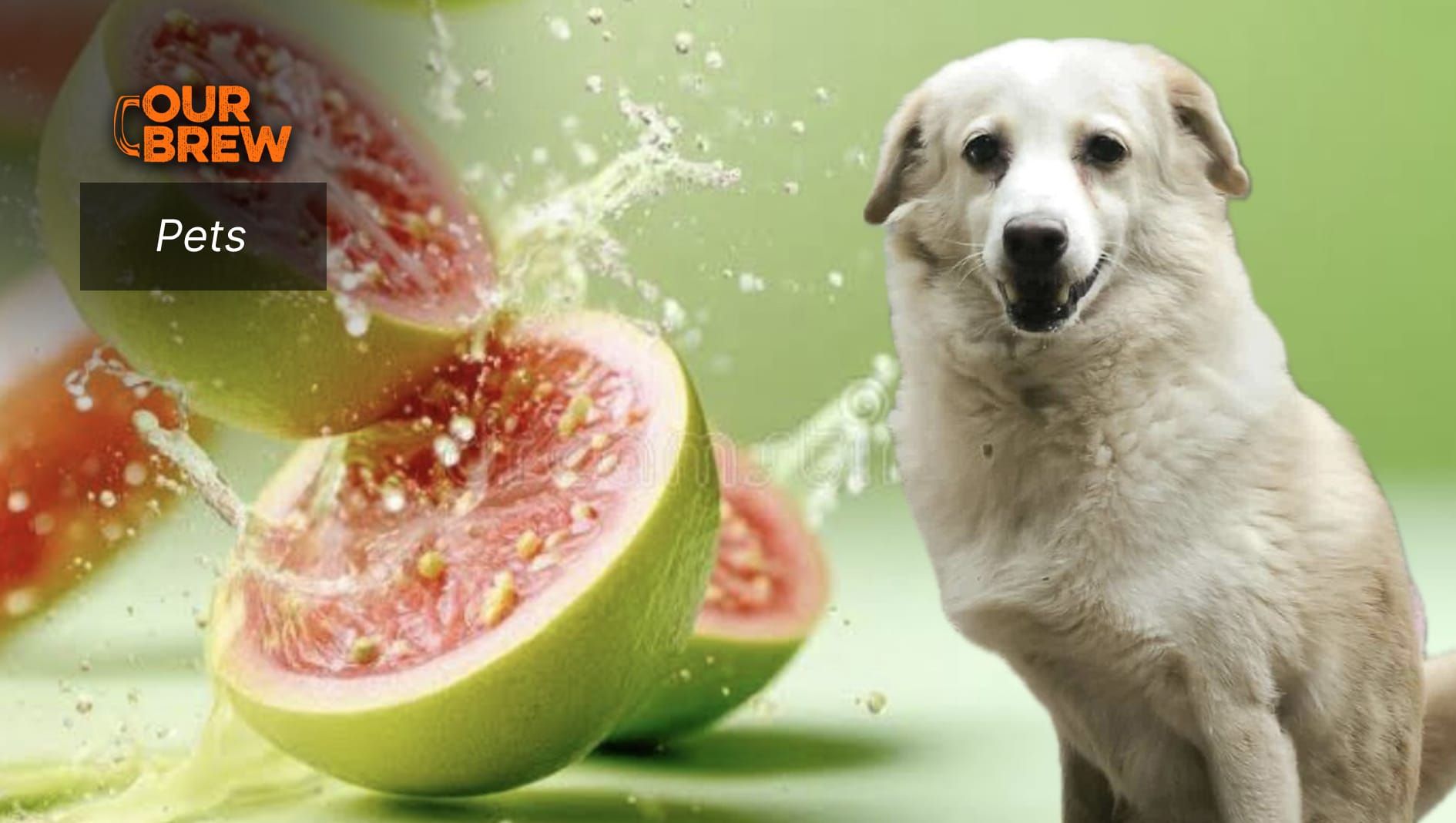


Guava is a tropical fruit with a sweet flavor, fragrant aroma, and good nutritional profile. But as a dog owner, you might wonder if guava is safe for dogs to eat. As some have already tried, yes, guava can be safe for dogs when given in moderation and prepared properly. However, like many human food, there are important considerations to keep in mind before sharing this fruit with your furry companion.
Nutritional Benefits of Guava for Dogs
Guava is rich in vitamin C, fiber, and antioxidants, all of which can benefit a dog’s overall health. These nutrients help support the immune system, promote good digestion, and may even contribute to healthier skin and coat. Because of its natural sweetness, guava can also serve as a healthier alternative to processed dog treats that are often high in artificial ingredients and preservatives.
According to Dr. Emily Carter in “Can Dogs Eat Guava?” published in the Paws & Nutrition Daily, guava can be a good occasional snack for dogs.

“Guava is packed with nutrients that can support a dog’s immune system, especially vitamin C, which plays a role in reducing inflammation and boosting overall wellness,” she explains.
While dogs naturally produce their own vitamin C, small amounts from fruits like guava can still provide an added benefit.
Despite these advantages, guava should never become a staple in a dog’s daily diet. One of the main concerns is its sugar content. Although the sugar in guava is natural, excessive intake can lead to weight gain, digestive upset, or even contribute to long-term issues like diabetes. Dogs with pre-existing conditions, particularly obesity or blood sugar problems, should only consume guava under veterinary guidance.
Proper Preparation Matters
Another important factor to consider is preparation. The seeds and rind of the guava can be difficult for dogs to digest and may pose a choking hazard, especially for smaller breeds. It is best to peel the fruit, remove all seeds, and cut it into small, manageable pieces before offering it to your dog. This minimizes the risk of gastrointestinal discomfort or blockage.
How Much Guava Is Safe?
Dr. Carter also emphasizes moderation when feeding guava. “Even healthy fruits should only make up a small percentage of your dog’s diet—around 10% or less of their daily caloric intake,” she notes.
Overfeeding guava or any fruit can disrupt a dog’s balanced nutrition, which should primarily come from high-quality dog food formulated to meet their specific needs.
Watch for Allergic Reactions or Sensitivities
Some dogs may also have sensitive stomachs and could react negatively to new food. If you are introducing guava for the first time, start with a small amount and observe your dog for any signs of discomfort such as vomiting, diarrhea, or changes in behavior. If any of these symptoms occur, it is best to stop feeding guava and consult a veterinarian.
Interestingly, guava’s high fiber content can be both beneficial and problematic. On one hand, fiber aids digestion and can help regulate bowel movements. On the other hand, too much fiber can lead to bloating or loose stools. This balance is why portion control is crucial when feeding fruits like guava to dogs.

Expert Advice from a Veterinarian
Dr. Carter offers one final piece of advice: “Think of guava as an occasional treat rather than a dietary necessity. Dogs thrive on consistency, and while fruits can be a fun addition, they should never replace a complete and balanced meal.”
Her guidance highlights the importance of treating fruits as supplements rather than essentials in a dog’s nutrition plan.
About the Author: Niko Gabriel Salgado is a graduate of consular and diplomatic affairs from De La Salle College of Saint Benilde, and worked at the House of Representatives. He is now an entrepreneur and a volunteer of the animal welfare group Save Animals of Love and Light – Save ALL.
If you liked what you just read and want more of Our Brew, subscribe to get notified. Just enter your email below.
Related Posts
Rabies and Anti-Rabies Vaccinations: A Historical and Contemporary Perspective with Focus on the Philippines
Aug 24, 2026
Understanding Dog Snoring
Aug 22, 2026
Sambong is Safe for Dogs and Cats But…
Aug 12, 2026