

By Mariana Burgos
‘Tis the season of ticks and flicks. During the hot summer months, ticks and fleas reproduce faster.
Fleas are a common nuisance for pet owners, causing discomfort and potential health issues for dogs and cats alike. While chemical treatments are widely available, many pet owners seek natural alternatives to protect their furry friends without exposing them to harsh substances.
Fortunately, there are several effective natural methods to rid your pets of fleas, combining safety, efficacy, and ease of use.
Understanding Fleas and Their Impact
Fleas are tiny parasitic insects that feed on the blood of animals, causing itching, irritation, and sometimes allergic reactions or infections. Beyond the immediate discomfort, fleas can transmit diseases and tapeworms, making their control essential for pet health. Natural flea control focuses on prevention and elimination without relying on synthetic chemicals, which can sometimes cause side effects or environmental harm.
Bathing Your Pet with Natural Shampoos
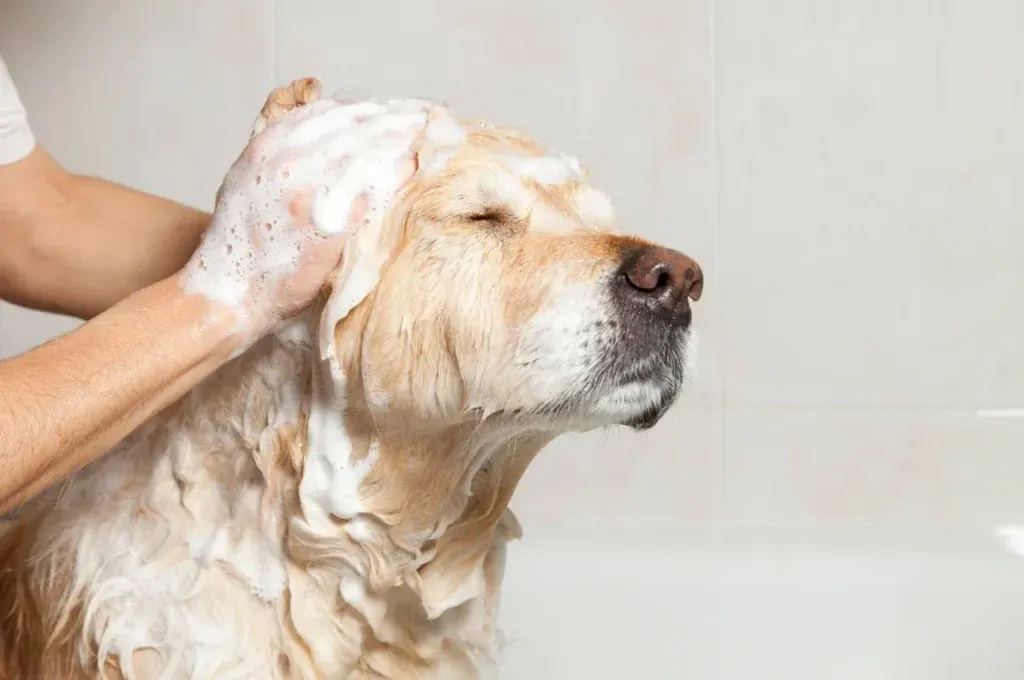
According to the article "Natural Flea and Tick Prevention" by the American Kennel Club Pet Insurance team, using a mild shampoo formulated specifically for pets can help wash away fleas and soothe irritated skin. Some pet owners also use gentle dish soaps like Dawn, which can break down the flea’s exoskeleton and kill them on contact. However, it is crucial to avoid harsh detergents or vinegar, which may irritate your pet’s skin.
Regular bathing not only removes fleas but also helps maintain your pet’s coat and skin health.
Essential Oils and Natural Repellents
Essential oils have gained popularity as natural flea repellents. In the article "Best Ways to Get Rid of Fleas on Dogs Naturally" by Caring Hands Veterinary Clinic, oils such as cedarwood and neem are highlighted for their flea-repelling properties. Cedarwood oil, in particular, is noted for its ability to kill fleas on contact and repel them effectively. Neem oil works by disrupting the flea’s life cycle, preventing eggs from hatching and larvae from developing.
When using essential oils, it is important to dilute them properly and apply them safely. Direct application of undiluted oils can be harmful to pets, especially cats, who are more sensitive to certain compounds. A common method is to mix a few drops of essential oil with a carrier oil or water and spray it lightly on your pet’s fur, avoiding the eyes and nose.
Apple Cider Vinegar as a Flea Deterrent
Apple cider
vinegar(ACV) is a widely recommended home remedy for flea control. According to the article by the American Kennel Club Pet Insurance, ACV can be mixed with water and sprayed onto your pet’s coat to create an environment that fleas find inhospitable. The acidic nature of vinegar helps repel fleas without harming your pet.
Flea Combs: A Mechanical Solution
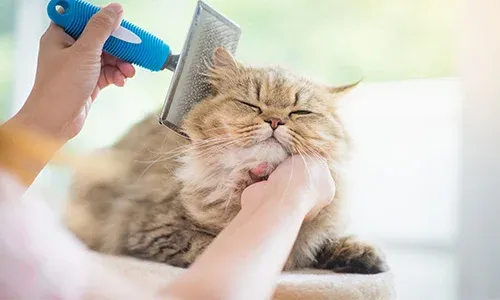
While natural repellents and baths help reduce flea populations, physically removing fleas is also essential. Flea combs are a simple, chemical-free tool that can be used daily to comb through your pet’s fur and remove fleas, flea dirt, and eggs. The article from Caring Hands Veterinary Clinic emphasizes the importance of this method as part of a comprehensive flea control routine.
Using a flea comb requires patience and consistency. Combing should be done over a white surface or paper towel to easily spot and dispose of fleas.
This method is especially effective for small infestations or as a preventive measure.
Environmental Control: Cleaning and Natural Treatment
Fleas spend much of their life cycle off the host, in carpets, bedding, and furniture. Therefore, controlling the environment is critical. The American Kennel Club article stresses regular vacuuming and washing of pet bedding in hot water to eliminate flea eggs and larvae.
Natural treatments for the home environment include diatomaceous earth, a fine powder made from fossilized algae. It works by dehydrating fleas and their larvae.
Sprinkling food-grade diatomaceous earth on carpets and pet areas, then vacuuming after a few hours, can significantly reduce flea populations without toxic chemicals.
Additionally, outdoor flea control can be enhanced by using natural repellents like cedar chips or planting flea-repelling herbs such as lavender and rosemary around your yard.
Diet and Flea Resistance
An often-overlooked aspect of flea prevention is the pet’s diet. According to Caring Hands Veterinary Clinic, a healthy diet rich in omega-3 and omega-6 fatty acids can improve your pet’s skin condition, making it less attractive to fleas.
Consistency and Combination for Best Results
Natural flea control is most effective when multiple methods are combined consistently. Bathing, essential oils, flea combing, environmental cleaning, and dietary improvements work synergistically to reduce flea populations and prevent reinfestation.
When to Seek Veterinary Help
While natural methods are effective for many pet owners, severe infestations or pets with flea allergies may require professional veterinary treatment.
The American Kennel Club article notes that if your pet shows signs of excessive itching, hair loss, or skin infections, it is important to consult a veterinarian promptly.
Veterinarians can recommend safe, targeted treatments that complement natural methods and ensure your pet’s health and comfort.
In conclusion, ridding your pets of fleas naturally involves a multi-faceted approach that prioritizes safety and sustainability. Bathing with gentle shampoos, using essential oils like cedarwood and neem, applying apple cider vinegar sprays, combing regularly, and maintaining a clean environment all contribute to effective flea control.
Supporting your pet’s health through diet and knowing when to seek veterinary care further enhances these efforts and protect your beloved pets from fleas without relying on harsh chemicals.
About the Author: Mariana Burgos is a freelance artist, writer, and tutor. She has been a solo parent for 19 years now because she is the wife of Jonas Burgos, a Filipino desaparecido. She and her daughter are animal lovers and are active in advocating not only human rights but the rights of animals as well.
If you liked what you just read and want more of Our Brew, subscribe to get notified. Just enter your email below.
Related Posts
Rabies and Anti-Rabies Vaccinations: A Historical and Contemporary Perspective with Focus on the Philippines - Part II
Aug 27, 2026
Rabies and Anti-Rabies Vaccinations: A Historical and Contemporary Perspective with Focus on the Philippines - Part I
Aug 24, 2026
Understanding Dog Snoring
Aug 22, 2026